Top Emergency Electricians in Cheyenne, WY, 82001 | Compare & Call

Electrical Services
Electric MD

The Electric & Solar Specialist
Question Answers
Why does my older South Cheyenne home with original 1975 wiring keep tripping breakers when I use my new appliances?
Your electrical system is 51 years old, installed when a kitchen had one small appliance. The NM-B Romex wiring is fundamentally sound, but the original circuit design and 100-amp panel weren't sized for today's simultaneous loads from air fryers, computers, and large-screen TVs. We see this often in South Cheyenne; homes struggle because modern 2026 appliance demands exceed the capacity planned in 1975, leading to overloaded circuits and nuisance trips.
What permits and codes are involved for an electrical panel upgrade in Cheyenne?
All major work like a panel replacement requires a permit from the City of Cheyenne Building Safety Division and must comply with the 2023 National Electrical Code. The work must be performed by a licensed electrician, as Wyoming Department of Fire Prevention and Electrical Safety regulations mandate. As your Master Electrician, I handle the entire permit process, from application to scheduling the final inspection, ensuring the installation meets all current safety standards for your home.
My power is out and I smell something burning near the panel—how fast can an electrician get here?
For an emergency like a burning smell, we dispatch immediately. From our starting point near the Cheyenne Depot Plaza, we can typically reach most South Cheyenne addresses via I-25 within 8 to 12 minutes. Your first step is to safely turn off the main breaker at the panel if possible, then call. A burning odor indicates an active fault that requires immediate professional diagnosis to prevent fire.
Why do my lights flicker and my electronics reset during storms with Black Hills Energy?
Flickering during storms on the Cheyenne grid is often due to high winds or lightning causing momentary faults on overhead lines. Our high plains location experiences frequent, high-quality lightning strikes, which induce powerful surges that can travel through wiring. These surges are a primary cause of damage to modern smart home electronics and appliances. Installing a whole-house surge protector at your main panel is a critical defense recommended by the 2023 NEC.
How should I prepare my Cheyenne home's electrical system for a -20°F ice storm or winter brownout?
Winter heating surges and extreme cold strain the entire electrical system. Ensure your furnace and its dedicated circuit are professionally inspected before the peak season. For brownout protection, consider a hardwired automatic standby generator installed with a proper transfer switch—portable generators require correct, safe hookups to avoid backfeed. Given the surge risk from grid fluctuations during storms, integrating surge protection with any backup power plan is also wise.
I have an old 100-amp panel in my 1975 Cheyenne home—is it safe to add a Level 2 EV charger or a new heat pump?
It's generally not safe without an upgrade, and it's critical to first identify your panel brand. Many Cheyenne homes from that era have recalled Federal Pacific panels, which pose a significant fire risk and must be replaced. Even with a safe panel, a 100-amp service is undersized for the continuous load of a Level 2 charger or a heat pump alongside modern household usage. A service upgrade to 200 amps is the standard, code-compliant solution to safely add these major appliances.
Does the high plains plateau terrain near the Depot Plaza affect my home's electrical system?
The rocky, high-plateau soil common in our area can challenge the effectiveness of your home's grounding electrode system. Proper grounding is essential for safety and surge dissipation, and driving ground rods to code depth in this terrain often requires specialized equipment. Furthermore, the open, windy landscape means overhead service lines and masts are exposed to more extreme weather, necessitating regular inspections for integrity.
My power comes from an overhead mast—what should I know about maintaining it in Cheyenne?
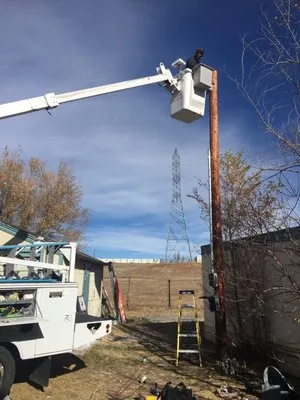
Overhead mast service, typical for many South Cheyenne homes, exposes your weatherhead, mast, and service drop conductors to high winds, ice, and lightning. It's important to have these components inspected periodically for physical damage, corrosion, or loose connections. Any tree trimming near the service drop must be done carefully to avoid contact. If you're considering a service upgrade, this is also the time to evaluate if converting to underground service from the pole is a viable option for improved reliability.
