Top Emergency Electricians in West Bend, WI, 53090 | Compare & Call

Ideal Electric
Reissmann Electric: A Division of Ron Albiero Heating and A/C
Master Electric
Frequently Asked Questions
What's involved with getting a permit from the West Bend Building Inspection Department for a panel upgrade?
All major electrical work, especially a service upgrade, requires a permit from the West Bend Building Inspection Department. As a Master Electrician licensed by the Wisconsin Department of Safety and Professional Services, I handle the entire process. This includes submitting detailed plans that comply with NEC 2023, scheduling inspections at rough-in and final stages, and ensuring the utility connection is coordinated. The permit process verifies the work is safe and up to code, protecting your home's value and your insurance coverage.
I'm near Regner Park and smell a burning odor from an outlet. How quickly can an electrician get here?
For an emergency like a burning smell, which indicates active overheating, we dispatch immediately. From our shop near Regner Park, we can typically be on site in Downtown West Bend within 5 to 8 minutes using US-45. Your first action should be to turn off the breaker for that circuit at the main panel and unplug any devices. Do not use that outlet until it has been inspected and repaired.
My power comes from an overhead wire to a mast on the roof. What are the main things I should watch for with this setup?
Overhead service masts are vulnerable to Wisconsin's weather. Inspect the mast for rust, cracks, or any sagging where it enters the roof. Ensure the cable from the pole has clear clearance from tree limbs, which can abrade the insulation during high winds. Heavy ice accumulation can also weigh down the line and strain the attachment point. Any visible damage to the mast, cable, or connection point should be addressed by a licensed electrician, as it's the critical link between We Energies and your home.
My West Bend home was built in 1977 and still has the original wiring. Why do my lights dim when I run the microwave and air conditioner together?
Your home's electrical system is now 49 years old. The original NM-B Romex wiring in Downtown West Bend was sized for a 1970s lifestyle, not the simultaneous demands of modern appliances like air conditioners, microwaves, and multiple electronics. A 100-amp panel, common for that era, simply lacks the capacity and dedicated circuits needed for today's loads. This consistent dimming is a clear sign of an overloaded system, not just an inconvenience but a potential fire risk.
How should I prepare my West Bend home's electrical system for a harsh winter with potential ice storms?
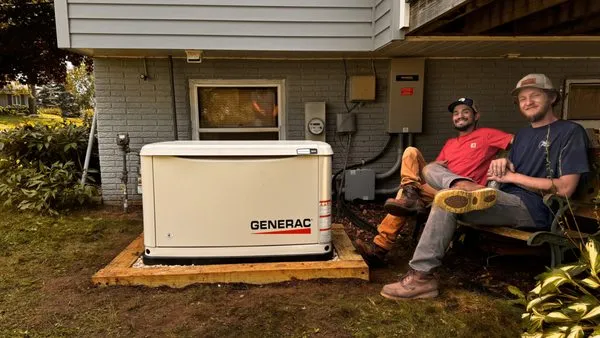
Winter's -10°F lows and heating surge peaks strain the entire grid. Ensure your panel is free of Federal Pacific or other recalled brands, as they are a failure point under heavy load. Consider a professional inspection of your service mast and meter base for ice damage risks. For extended outages, a properly installed and permitted generator with a transfer switch is the safest backup, preventing dangerous backfeed onto We Energies lines.
I have an old Federal Pacific panel and want to install an electric car charger. Is my 1977-era system safe for this upgrade?
Installing a Level 2 EV charger on a system with a Federal Pacific panel is not safe and likely not possible. Federal Pacific panels are known for faulty breakers that fail to trip during overloads, creating a serious fire hazard. Furthermore, a 100-amp service from 1977 lacks the spare capacity for a charger's 30-50 amp draw. A full service upgrade to 200 amps and a modern, UL-listed panel is the necessary first step for both safety and functionality.
My smart TV and router keep resetting during We Energies thunderstorms. Is this a problem with my house or the power grid?
This is likely a combination of both. We Energies grid in our area faces moderate surge risks from seasonal thunderstorms. While the utility manages large-scale issues, the smaller voltage spikes that reach your home can damage sensitive electronics. Older wiring and panels offer minimal protection. Installing a whole-house surge protector at your main panel is the most effective defense, creating a barrier between the utility lines and your valuable devices.
We live in the rolling glacial hills near Regner Park. Could the terrain affect our home's electrical grounding?
Yes, the rolling glacial topography can impact grounding. Rocky or variable soil conditions, common here, may prevent grounding electrodes from achieving the low-resistance connection required by the NEC. An improperly grounded system is a shock hazard and can cause erratic appliance behavior. We test ground rod resistance with specialized meters and may need to drive additional rods or use chemical ground enhancement to ensure your safety system is fully effective.
