Top Emergency Electricians in Issaquah, WA, 98027 | Compare & Call

Align Electric
Frequently Asked Questions
My lights in Issaquah flicker sometimes. Is this a problem with Puget Sound Energy or my own house wiring?
Flickering lights usually point to a loose connection, either at your utility's service entrance, inside your panel, or at a specific fixture. While Puget Sound Energy's grid has low surge risk, seasonal wind storms can cause momentary interruptions. However, consistent flickering when you turn on a specific appliance points to a household wiring issue. Modern smart home electronics and LED lighting are sensitive to these voltage fluctuations, so diagnosing the exact source—often a failing breaker or loose neutral—is important for protecting your equipment.
The power just went out in my house and I smell something burning from an outlet. Who can get here fast?
For a burning smell with a power loss, treat it as an urgent fire risk and shut off the main breaker if it's safe to do so. A master electrician dispatched from near the Issaquah Transit Center can typically be at your Highlands home in 5 to 8 minutes using I-90. This immediate response is critical to locate the fault—often a failed connection or overloaded circuit—before it causes permanent damage or ignites surrounding materials.
My home has underground electrical service. What are the common maintenance issues I should watch for?
Underground service laterals, common in Issaquah's suburban neighborhoods, are generally reliable but have unique concerns. The main issue is water infiltration into the underground conduit or meter enclosure, which can corrode connections. We also check that the meter base and mast are properly sealed and flashed where they enter the home. While you avoid overhead tree damage, any excavation work near your service line requires careful planning to avoid striking the buried cable, which is the homeowner's responsibility from the meter back to the house.
My 2002-built Highlands home has original wiring. Why do my breakers trip now with just a few modern appliances running?
Your electrical system is now 24 years old, installed in 2002. The NM-B Romex cable used then is fine for its time, but modern 2026 appliance loads, like induction cooktops and rapid-charge devices, demand more consistent power than that original wiring was designed to handle. This can cause nuisance tripping or overheating at connections. We often find that the 150A service and branch circuits in these homes need a capacity review and targeted upgrades to handle today's simultaneous electrical demands safely.
How should I prepare my home's electrical system for Issaquah winter ice storms and potential brownouts?
Winter heating surges and ice storms stress electrical systems. Start with a whole-house surge protector installed at your panel to guard electronics against utility fluctuations. For extended outages, a properly installed and permitted generator with a transfer switch is the safest backup. Ensure your heating system's electrical connections are tight and its dedicated circuit is in good condition, as this is the peak load season. Preparing now prevents emergency calls when temperatures drop near 28°F.
I want to upgrade my electrical panel. What permits are needed from the City of Issaquah, and does the work have to follow the 2023 NEC?
All panel upgrades in Issaquah require an electrical permit from the Development Services Department. The work must be performed by a contractor licensed by the Washington State Department of Labor & Industries and must fully comply with the 2023 National Electrical Code, which is the current enforced standard. As your master electrician, I handle the permit application, scheduling inspections, and ensuring the installation meets all NEC requirements for AFCI protection, working space, and labeling. This compliance is not just red tape; it's your guarantee of a safe, insurable installation.
We live in the rolling, forested foothills near the Highlands. Could the terrain be affecting our home's power quality?
The terrain directly impacts electrical health. Rolling, forested areas mean heavy tree canopy that can cause line interference during high winds and lead to more frequent, though brief, utility disruptions. Rocky soil common in these foothills can also challenge grounding electrode systems, which are vital for safety. We test ground resistance to ensure your home has a low-impedance path to earth, a critical defense against lightning and surges, especially for homes nestled in these wooded lots.
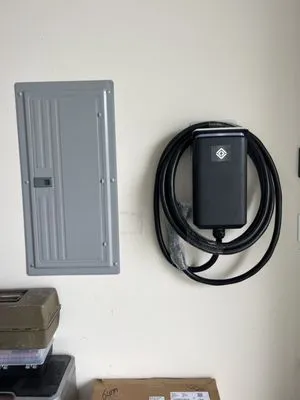
I have a 150-amp panel from 2002. Is it safe to add a Level 2 EV charger and a new heat pump, or do I need an upgrade?
A 2002-era 150A panel provides moderate capacity, but two major additions like an EV charger and heat pump will likely exceed its safe load. More critically, we must check the panel brand. If it's a Federal Pacific Stab-Lok panel, it's a known safety hazard with breakers that can fail to trip during an overload, creating a serious fire risk. Your first step is a professional load calculation and a panel inspection; upgrading to a modern, code-compliant 200A panel with AFCI protection is a common and necessary solution for these concurrent high-demand loads.
