Top Emergency Electricians in Anderson, SC, 29621 | Compare & Call




FAQs
I want to upgrade my electrical panel. What permits are needed from Anderson County, and does the 2023 NEC code require anything new?
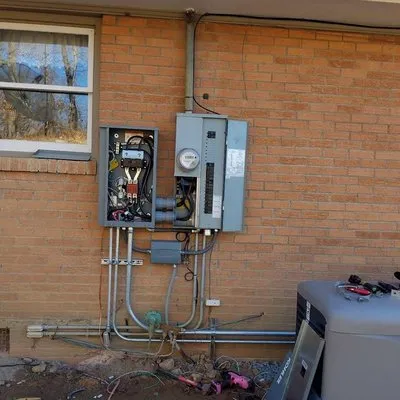
All panel upgrades in Anderson County require a permit from the Building and Codes Department. As your licensed electrician, we handle this filing to ensure the work is inspected for safety. South Carolina has adopted the 2023 NEC, which may require new safety devices like a surge protection device at the service equipment and specific AFCI breaker protection for more circuits. We ensure the installation complies fully with these latest standards and the licensing requirements of the SC Department of Labor, Licensing and Regulation, providing you with the mandated documentation for your records.
My North Anderson home was built in 1976. Why do the lights dim when I use the microwave and air conditioner together?
Your electrical system is now 50 years old, and the original NM-B Romex wiring from that era was designed for a different set of appliances. Modern 2026 loads, like larger refrigerators, multiple TVs, and high-power microwaves, create a cumulative demand that can exceed the intended capacity of those original circuits. This strain on aging wiring often shows up as voltage drop, which causes lights to dim. A capacity evaluation by a licensed electrician is the first step to determine if you need new dedicated circuits or a panel upgrade.
My smart home devices keep resetting and the lights flicker. Is this a problem with Duke Energy's power in Anderson?
Flickering lights and device resets often point to voltage instability or surges on the utility grid. Duke Energy serves our area, and the Anderson region's high lightning activity can induce powerful surges through overhead lines. These transient spikes are particularly damaging to the sensitive microprocessors in smart thermostats, computers, and modern appliances. Installing a whole-house surge protector at your main service panel is a critical defense, working in tandem with point-of-use protectors to safeguard your electronics from grid disturbances.
How can I prepare my Anderson home's electrical system for summer brownouts or winter ice storms?
Seasonal extremes here require proactive measures. For summer AC peaks that stress the grid, consider a hardwired backup generator with an automatic transfer switch to maintain essential circuits during an outage. Before winter, have an electrician inspect your service mast and overhead connections for ice damage vulnerability. For both seasons, ensuring your panel has AFCI and GFCI breakers as required by current code helps prevent fire and shock hazards that can arise when power fluctuates or is restored after a storm.
I have an old 100-amp panel and am thinking about adding an EV charger or heat pump. Is my 1976 system safe for these upgrades?
Your existing 100-amp service, common for 1976, is likely insufficient for adding a Level 2 EV charger or a modern heat pump. More critically, many Anderson homes from that era were built with Federal Pacific panels, which are a known safety hazard due to breakers that can fail to trip during an overload. Installing high-demand appliances on this outdated infrastructure creates a significant fire risk. A full service upgrade to 200 amps and replacement of any Federal Pacific equipment is a mandatory first step for safety and code compliance before such upgrades.
We live on the rolling terrain near the courthouse. Could the soil or trees be affecting our home's electrical system?
The rocky, clay-heavy soil of the Piedmont plateau can challenge grounding system effectiveness, which is vital for safety and surge dissipation. A poor ground can lead to erratic breaker trips and equipment damage. Furthermore, the mature tree canopy common in North Anderson can cause interference with overhead service drops during high winds and increase the risk of limbs falling on lines. An electrical inspection should include testing your grounding electrodes and evaluating the clearance and condition of the overhead service line from the utility pole to your mast.
My power comes from an overhead line to a mast on the roof. What specific issues should I watch for with this setup?
Overhead mast service, while common, has specific failure points. Inspect the mast head and conduit for rust or physical damage, which can allow water into your service entrance cables. Ensure the mast is properly secured; high winds on the Piedmont can loosen it. The service drop wires from Duke Energy should have clear clearance from trees and your roof. Any sagging or damaged insulation on these lines requires a call to the utility. Also, verify the weatherhead is intact and pointed downward to prevent rainwater from channeling into your main panel.
My power just went out and I smell something burning near the panel. How fast can an electrician get to me in North Anderson?
For an emergency like a burning smell, which indicates an active fault, our dispatch prioritizes immediate response. From our staging point near the Anderson County Courthouse, we can typically reach a North Anderson home via I-85 in under 12 minutes. Your safety is the priority: if you suspect an electrical fire, evacuate the area and call 911 first, then call for an electrician. We will diagnose the fault at the panel, bus bars, or wiring to prevent further damage or fire risk.
