Top Emergency Electricians in Huntington, NY, 11721 | Compare & Call

Jeff Murphy Electrical Contractor
Stewart Ave Electrical

Brightly Electric
Huntington Electrical

Handler Electrical Contracting

Common Questions
I have overhead wires coming to my house. Does that make my electrical service more vulnerable?
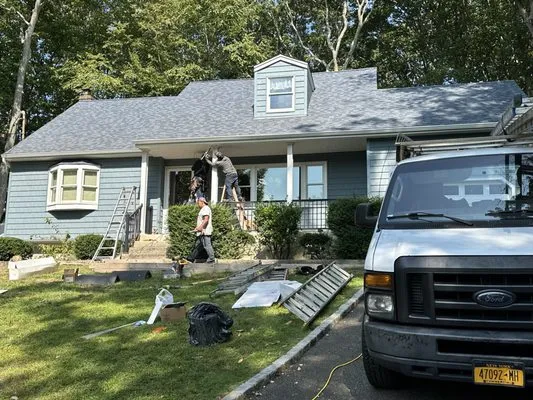
Overhead mast service is standard here but is more exposed to weather and falling tree limbs than underground lines. We inspect the masthead and service entrance cables for wear, animal damage, or corrosion, which are common points of failure. Proper mast height and secure conduit are vital to prevent service drops during high winds, a frequent issue with our older neighborhood canopy.
My Huntington Village home is from 1956 and the lights dim when the AC kicks on. Is the old wiring to blame?
A 70-year-old electrical system is often the root cause. Original cloth-jacketed copper wiring, common in homes from that era, was not designed for today's simultaneous appliance loads. The insulation becomes brittle over decades, increasing fire risk and limiting capacity. Modernizing the circuits and upgrading the 100-amp service is a standard step to safely support 2026's high-demand devices.
How should I prepare my Huntington home's electrical system for a summer brownout or an ice storm?
For summer AC peaks, ensure your panel and breakers are in good health to prevent overload. For winter ice storms that can cause prolonged outages, consider a professionally installed generator with a transfer switch. This keeps essential circuits like heat and refrigeration running safely. Surge protection is also key year-round to shield electronics when grid power returns abruptly after an outage.
My inspector said I have a Federal Pacific panel and want to add an EV charger. Is my 1956-era electrical system safe for this?
A Federal Pacific panel presents a known safety hazard due to a high failure rate, and adding a Level 2 EV charger on a 100-amp service from 1956 is not feasible. The charger alone can demand 40-50 amps, which would overload your panel and risk a fire. The required solution is a full service upgrade to 200 amps and replacement of the recalled panel, which then creates a safe pathway for both EV charging and modern heat pumps.
I just lost power and smell something burning near my panel in Huntington Village. How fast can an electrician get here?
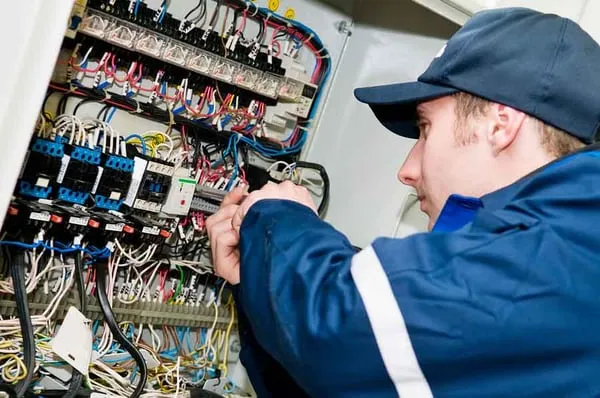
For a burning smell, we treat it as a priority dispatch. From a starting point near Heckscher Park, we can typically be en route via NY-25A for an estimated 5-8 minute response to most Village locations. The first action is to safely shut off power at the main breaker if possible, then we'll diagnose the source, which is often a failing connection in an old panel.
Why do my lights in Huntington flicker during storms, and is it damaging my new smart home gadgets?
Flickering during PSEG Long Island's coastal storms points to grid disturbances or tree contact on overhead lines. These voltage fluctuations and surges are a real threat to sensitive electronics like smart thermostats and computers. Installing a whole-house surge protector at your main panel is a critical defense, as typical power strips offer inadequate protection against the moderate surge risk we experience here.
What permits and codes do I need to follow for a panel upgrade in the Town of Huntington?
All major electrical work requires a permit from the Town of Huntington Department of Engineering Services and must comply with the current NEC 2020 code. As a licensed master electrician, I handle the permit filing and ensure the installation passes inspection by Suffolk County. This process guarantees the work meets strict safety standards and is properly documented for your home's records and future sales.
Could the hilly, rocky soil near Heckscher Park affect my home's electrical grounding?
The rolling glacial moraine terrain in this area often means shallow bedrock. This can complicate the installation of a proper grounding electrode system, which is essential for safety. If ground rods cannot be driven deep enough, alternative methods like a concrete-encased electrode (Ufer ground) may be required to achieve a low-resistance ground, ensuring your breakers trip correctly during a fault.
