Top Emergency Electricians in Hudson, NY, 12534 | Compare & Call

Thomas Palmer Electrical
Schnackenberg Electric
Hudson Heating & Cooling
Q&A
Does the hilly, rolling terrain near the Hudson River affect my home's electrical system?
Yes, Hudson's rolling river valley terrain can impact electrical health. Older overhead service drops on hillside properties are more susceptible to wind and ice damage. Furthermore, rocky or variable soil common in the area can challenge the installation of a proper grounding electrode system, which is vital for safety and surge protection. We perform soil resistance tests to ensure your ground rod meets NEC 2020 requirements.
What permits and codes are required for a panel upgrade in Hudson, NY?
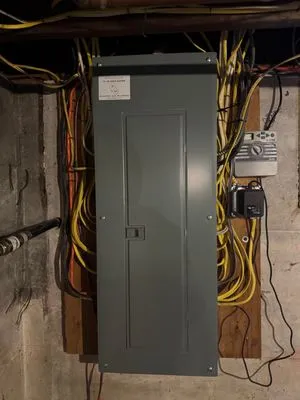
Any panel replacement or service upgrade in Hudson requires a permit from the City of Hudson Code Enforcement Office and a final inspection. The work must comply fully with NEC 2020 and the New York State Residential Code. As a licensed Master Electrician through the NY Department of State, I handle the permit paperwork, ensure the installation passes inspection, and provide the documentation needed for National Grid to reconnect your service.
How can I prepare my Hudson home's electrical system for winter ice storms and brownouts?
Winter heating surges and ice storms here can strain the grid. Beyond a generator, the most critical preparation is ensuring your main electrical panel and its connections are in sound condition—many older Federal Pacific or Zinsco panels fail under surge loads. Installing a hardwired backup generator with a proper transfer switch, permitted through the City of Hudson, provides safe, automatic power for essentials during an outage.
My Hudson Downtown home has original 1938 knob and tube wiring. Why do my lights dim when I run the microwave?
Your electrical system is 88 years old, a common age for Downtown Hudson homes. Knob and tube wiring was designed for a few light bulbs and a radio, not the continuous high loads of modern appliances like microwaves, computers, and air conditioners. The insulation becomes brittle, and the system lacks a safety ground, creating a genuine fire risk and making it impossible to meet the power demands of a 2026 household safely.
My overhead service mast looks old and leans slightly. Is this a concern for my Downtown Hudson home?
An old or leaning overhead mast is a significant concern. This mast and weatherhead are your home's connection to National Grid's lines. If compromised by age, ice, or tree contact, it can pull away from the house, damaging the meter socket and service entrance wires, which creates a major fire and shock hazard. This repair always requires a permit from Hudson Code Enforcement and coordination with the utility.
I have an old 60-amp panel. Can I install a Level 2 EV charger or a heat pump in my 1930s Hudson home?
With a 60-amp service, it's not safe or feasible to add a Level 2 EV charger or a modern heat pump. These systems require dedicated 40-50+ amp circuits alone, which would overload your main panel. Furthermore, many homes of this era in Hudson have Federal Pacific panels, which are a known fire hazard due to faulty breakers. A full service upgrade to 200 amps is the necessary first step for this equipment.
My power is out and I smell something burning. How fast can an electrician get to my house near the Hudson Area Library?
For a burning smell or complete power loss, we treat it as an immediate safety dispatch. From the Hudson Area Library, we're typically en route via NY-9G within minutes, aiming for a 5-8 minute arrival. Please shut off your main breaker at the panel if it's safe to access and evacuate the area if you see smoke or sparks while you wait.
My lights in Hudson flicker when the fridge kicks on. Is this a problem with my house or National Grid?
Flickering when a major appliance cycles on usually points to an overloaded or failing circuit in your home, often linked to old knob and tube wiring or a faulty connection at the panel. However, Hudson's grid does experience moderate seasonal fluctuations from ice storms. For sensitive electronics, installing a whole-house surge protector at your panel protects against both internal surges and external grid issues from National Grid.
