Top Emergency Electricians in Colorado Springs, CO, 80809 | Compare & Call

Colorado Springs Electricians Pros
Phone : (888) 903-2131
Awesome Home Services
DR Electric

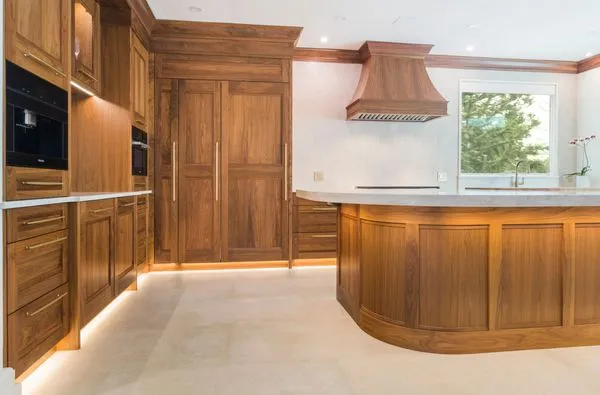
Cimarron Hills Electric
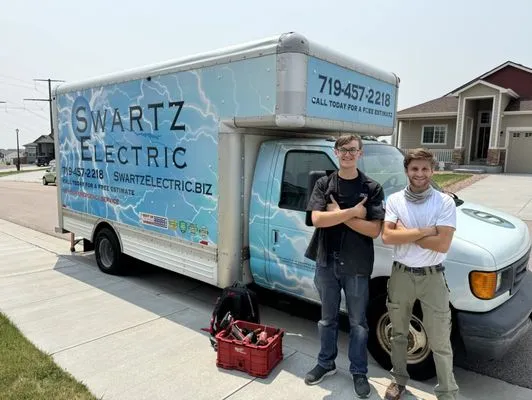
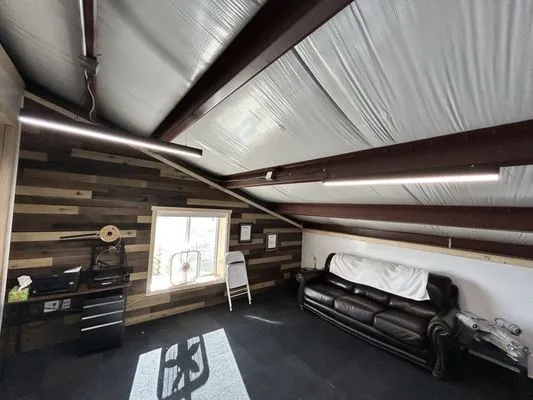
Good Light Electric
Q&A
I have a 100-amp Federal Pacific panel in my 1985 home. Can I safely add a Level 2 EV charger or heat pump without upgrading?
A 100-amp Federal Pacific panel presents dual challenges. First, Federal Pacific panels are known for faulty breakers that may fail to trip during overloads, creating fire hazards. Second, 100 amps is marginal for adding high-demand equipment—a Level 2 EV charger alone requires 30-50 amps, while heat pumps need 20-40 amps. Your 1985 home likely lacks capacity for both without tripping the main breaker. We recommend replacing the Federal Pacific panel with a modern 200-amp service before installing these appliances.
My lights flicker during storms, and I worry about surges from Colorado Springs Utilities damaging my smart home devices.
Flickering lights often indicate grid instability or loose connections in your home's wiring. Colorado Springs experiences frequent lightning, which can induce power surges through overhead lines. Modern electronics like smart thermostats and computers are sensitive to voltage spikes that older surge protectors might not catch. Installing a whole-house surge protector at your main panel, combined with point-of-use protectors for critical devices, provides layered defense. Proper grounding also helps dissipate surge energy safely.
Does the rocky hillside terrain near Colorado College affect my home's electrical grounding or power quality?
Rocky soil presents grounding challenges because it has higher resistance than moist earth, potentially reducing the effectiveness of grounding electrodes. We often need to drive multiple ground rods or use chemical treatments to achieve the NEC-required 25-ohm resistance. Additionally, hillside locations may have longer service drops from utility poles, increasing vulnerability to lightning-induced surges. Tree roots in rocky terrain can also disturb underground conduit over time. Proper grounding is especially critical here to ensure safety during faults.
My Old North End home has overhead service lines. What should I know about maintaining them compared to underground service?
Overhead service lines, common in Colorado Springs' older neighborhoods, are exposed to weather, trees, and wildlife. Regularly inspect the mast where lines enter your house for corrosion or damage, and keep tree branches trimmed back from conductors. Overhead lines are more susceptible to wind and ice damage than underground service, but repairs are often quicker to access. Ensure your meter base is securely mounted and sealed against moisture. If considering a service upgrade, evaluate whether converting to underground service is feasible given your property's layout.
What permits and codes apply if I want to upgrade my electrical panel in Colorado Springs, and who handles the inspections?
Panel upgrades in Colorado Springs require permits from the Pikes Peak Regional Building Department and must comply with NEC 2023, which mandates AFCI protection for most circuits and specific grounding requirements. As a master electrician licensed through DORA, I handle the permit paperwork and schedule inspections. The process includes load calculations, proper labeling, and ensuring your new panel meets current seismic bracing standards for our region. Skipping permits risks fines and voids insurance coverage, so proper documentation is essential for safety and resale value.
I smell something burning near my electrical panel and lost power. How fast can an electrician reach my house near Colorado College?
For urgent electrical issues like burning smells or complete power loss, we prioritize rapid response. From our base near Colorado College, we can typically reach Old North End homes within 8-12 minutes via I-25. Immediate dispatch is crucial because burning odors often indicate overheating wires or faulty connections that risk fire. We carry diagnostic tools to quickly identify whether the issue is at your panel, a specific circuit, or the service entrance.
My Old North End home was built around 1985 with original NM-B Romex wiring. Why do my lights dim when I run the microwave and air conditioner together in 2026?
Your electrical system is about 41 years old, which means it was designed for 1980s appliance loads. NM-B Romex from that era typically uses 14-gauge wire for 15-amp circuits, while modern kitchens and HVAC systems demand 20-amp circuits with 12-gauge wire. Homes in historic neighborhoods like Old North End often struggle because original wiring lacks the capacity for today's high-draw devices like induction cooktops or tankless water heaters. Upgrading key circuits to handle 2026 electrical loads prevents overheating and maintains safety.
How should I prepare my electrical system for Colorado Springs winters with temperatures dropping to -10°F and potential brownouts?
Winter heating surges strain electrical systems, especially in older homes. Ensure your panel connections are tight, as thermal cycling from extreme cold can loosen terminals over time. Consider a standby generator wired through a transfer switch to maintain heat during outages, but avoid portable generators connected directly to house wiring—that backfeeds the grid and endangers utility workers. Whole-house surge protection guards against ice storm-related power fluctuations. Insulating exposed pipes prevents freeze-ups that could damage electrical components.
