Top Emergency Electricians in Norwalk, CA, 90650 | Compare & Call


Norwalk Certified Electrician
Homestead Electrical Services
Feeder Electric
Frequently Asked Questions
I have an old Federal Pacific panel in my 1957 home. Can I safely install a Level 2 EV charger or a heat pump?
Installing high-demand equipment on a Federal Pacific panel is not recommended. These panels are known for faulty breakers that fail to trip during overloads, creating a severe fire risk. Furthermore, your 100-amp service from 1957 lacks the capacity for a Level 2 charger or heat pump. A full service upgrade and panel replacement are required for safe, code-compliant installation.
My Norwalk home has an overhead service mast. What are the common issues with this setup I should watch for?
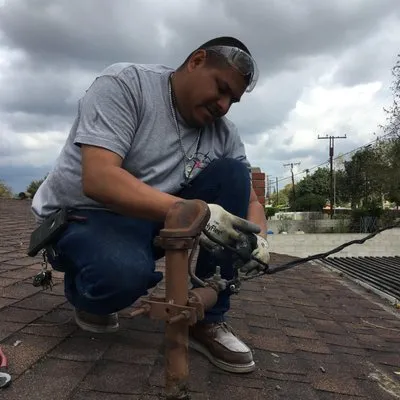
Overhead service masts are subject to weather wear and physical strain. Look for cracked or leaning conduits, loose masthead connections, and vegetation interference from trees. The mast and its attachment to the house must meet current structural codes, which is especially important if you're upgrading service capacity. Proper mast integrity is crucial for bringing new, larger service cables safely into your panel.
The power just went out and I smell something burning from my panel. How quickly can an electrician get here from Norwalk City Hall?
For an emergency like a burning smell, which indicates an active electrical fire risk, we dispatch immediately from our base near City Hall. Using I-5, we can typically reach most Norwalk Center locations within 5-8 minutes. Our first priority is to safely de-energize the affected circuit and assess the hazard to prevent further damage.
We live in the flat basin near Norwalk City Hall. Does this type of terrain affect our home's electrical grounding?
The flat, urban terrain here generally provides good conditions for grounding electrodes. However, dense clay soils common in the basin can have high resistance, which may require longer grounding rods or multiple rods to achieve the low-resistance path the NEC mandates. A proper ground test during a service upgrade ensures your system can safely handle fault currents.
What permits and codes apply if I need to upgrade my electrical panel in Norwalk?
All panel upgrades require a permit from the Norwalk Building and Safety Division and must comply with the 2023 California Electrical Code, based on NEC 2023. As a CSLB-licensed electrical contractor, I handle the permit application, scheduling inspections, and ensuring the installation meets all current safety standards for grounding, AFCI protection, and load calculations, so you don't have to navigate the red tape.
How should I prepare my Norwalk home's electrical system for summer brownouts or a rare winter freeze?
For summer peaks, ensure your air conditioning system is on a dedicated, properly sized circuit and consider a whole-house surge protector for brownout-related spikes. For winter, insulating exterior pipes and outlets is key, but a portable generator with a proper transfer switch is the best backup for extended outages. Both scenarios stress an older 100-amp panel, underscoring the value of a modern service upgrade.
Our Norwalk Center home was built in 1957 and still has its original cloth-wrapped wiring. Why do our lights dim when we run the microwave and AC together?
Your electrical system is nearly 70 years old, and its original 100-amp capacity with cloth-jacketed copper wiring wasn't designed for today's simultaneous loads. Modern appliances like air conditioners and microwaves draw significant amperage, causing voltage drop across that aging wire insulation. This creates a fire hazard and highlights the need for a capacity upgrade to safely support a 2026 lifestyle.
Our lights in Norwalk flicker sometimes, even when there's no storm. Is this from Southern California Edison or is it my house?
Flickering lights typically point to a loose connection within your home's wiring, often at an outlet, switch, or the main service entrance. While SCE maintains a reliable grid with low lightning-related surge risk, internal faults are more common. A systematic inspection can locate and secure these connections, protecting sensitive modern electronics from damaging voltage fluctuations.
