Top Emergency Electricians in Mullens, WV, 25882 | Compare & Call

There are 20 electrician companies server in Mullens WV
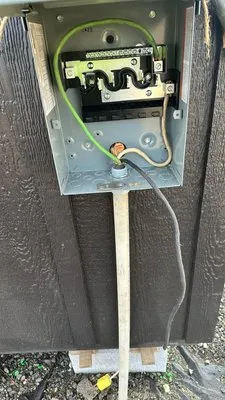
J & B Electrical and Home Solutions is your trusted, full-service home solutions provider right here in Mount Nebo. We specialize in electrical work, carpentry, and landscaping, offering everything fr...
Montani Mechanical Group
Montani Mechanical Group is your trusted, full-service mechanical contractor in Poca, WV, specializing in heating & air conditioning, plumbing, and electrical work. We understand the specific challeng...
K&E Electrical Solutions
K&E Electrical Solutions is a trusted, locally-owned Beckley electrical contractor serving Raleigh County and the surrounding West Virginia communities. We specialize in diagnosing and fixing the comm...
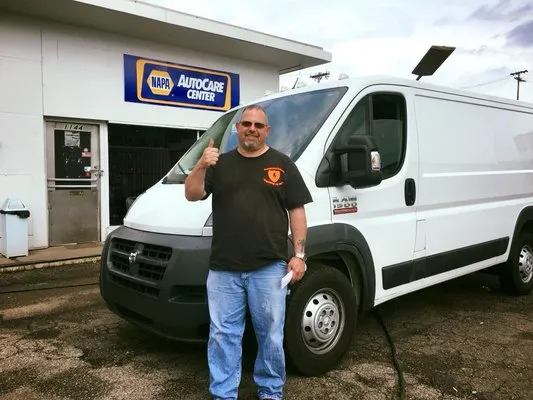
Accelerated Electric is a Charleston, WV-based electrical company owned and operated by Master Electrician Roger Fore. With over two decades of professional experience, Roger brings a unique perspecti...
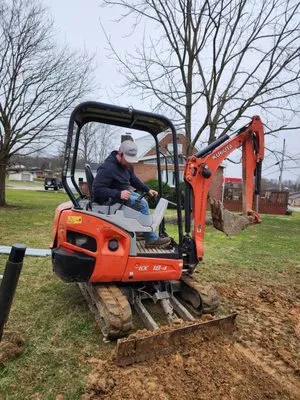
Brotherhood Electric & Thermal
Brotherhood Electric & Thermal is a trusted, full-service electrical and security contractor serving homeowners and businesses across Charleston, WV. We specialize in reliable electrical inspections, ...
Armor Electric is a licensed and insured electrical contractor serving Beaver, WV, and the wider southern West Virginia region. Founded in 2015 and operated by a WV-certified master electrician with o...
RDP Electrical Services Plus
RDP Electrical Services Plus LLC is a trusted, family-owned and operated electrical contractor proudly serving Fayetteville, WV, and the surrounding area since the early 2000s. We provide comprehensiv...
Childers Air Plumbing & Electric
Childers Air Plumbing & Electric has been a trusted name in Beckley and Southern West Virginia since our founding in 1951. Starting as a small family-run operation, we've grown to a team of nearly fou...
Maynard Electrical Installation
Maynard Electrical Installation is a trusted, locally-owned electrical and general contracting service based in Delbarton, WV. We specialize in diagnosing and solving the common electrical issues that...
BG Contracting is a trusted, full-service construction company serving Amherstdale, WV, and the surrounding Logan County area. We specialize in electrical, plumbing, and general contracting, offering ...
Estimated Electrical Service Costs in Mullens, WV
Frequently Asked Questions
Why does my Mullens home keep tripping breakers when I run the AC and microwave together?
Your Downtown Mullens home was built around 1954, meaning its 72-year-old electrical system was designed for a different era. The original cloth-jacketed copper wiring and 60A service panel cannot safely supply the simultaneous demands of modern appliances like air conditioners, computers, and kitchen gadgets. This constant overloading stresses the wiring insulation and can lead to overheating, which is a primary fire hazard in older homes.
My lights flicker whenever Appalachian Power has an issue—is this damaging my new TV and computer?
Flickering lights often signal voltage fluctuations or poor connections, which are common on older overhead service lines. Combined with the moderate surge risk from our seasonal thunderstorms, these irregularities can degrade and prematurely fail sensitive electronics. Installing whole-house surge protection at your main panel is a critical defense, safeguarding devices from both utility-side events and internal wiring problems.
What are the rules for getting an electrical permit in Mullens, and who handles the inspection?
All significant electrical work in West Virginia requires a permit filed with the West Virginia State Fire Marshal's Office and must comply with the NEC 2020, which is the state-adopted code. As a licensed contractor through the West Virginia Division of Labor, I handle the permit application and scheduling. The Fire Marshal's office conducts the final inspection to ensure the installation is safe and code-compliant before your utility will reconnect power.
Could the rocky hillside around my house be causing electrical problems?
Yes, rocky soil like we have around Downtown Mullens presents a specific challenge for grounding. A proper grounding electrode system is essential for safety and surge dissipation, but achieving a low-resistance ground in shallow, rocky earth can be difficult. This can lead to erratic breaker operation and reduced protection. A Master Electrician can perform a ground resistance test and may need to install additional grounding rods or a concrete-encased electrode to meet code.
How can I prepare my home's electrical system for a Wyoming County ice storm and winter heating surge?
Winter peaks strain an already marginal 60A service, especially with electric space heaters. For ice storms that may cause prolonged outages, consider a professionally installed generator with a transfer switch to back up essential circuits. We also recommend having your service mast, wiring, and panel connections inspected for weaknesses that could fail under heavy ice load or during the intense demand of a cold snap.
My power went out and I smell something burning near the panel—how fast can an electrician get here?
For an emergency like a burning smell, which indicates active overheating, we dispatch immediately from our base near Mullens City Hall. Using WV-16, we can typically reach any Downtown Mullens address within 3 to 5 minutes. Your first step is to shut off the main breaker at the service panel if it is safe to do so, then vacate the immediate area until a professional can assess the hazard.
My power comes from an overhead wire to a mast on my roof—what should I watch for?
Overhead mast service, common here, exposes your electrical entrance to weather and falling tree limbs. Regularly inspect the mast head and the cable drop for signs of damage, corrosion, or sagging. Ensure the mast is securely anchored; a loose mast can pull wires taut and damage the service entrance cables. Any work on the mast or service drop must be coordinated with Appalachian Power and requires a permit from the State Fire Marshal's Office.
I found a Federal Pacific panel in my basement—is this a fire risk, and can I add an EV charger?
Federal Pacific panels are a known safety hazard due to breakers that can fail to trip during an overload, significantly increasing fire risk. With your existing 60A capacity from 1954, the panel cannot support a Level 2 EV charger or a modern heat pump. A full service upgrade to at least 200A is a mandatory first step, which also requires replacing the recalled Federal Pacific equipment with a modern, code-compliant panel.
