Top Emergency Electricians in Cumberland, WI, 54829 | Compare & Call

Q&A
We have a lot of tall trees around our property near the lake. Could that be affecting our power quality?
The heavy tree canopy common around Lakeside Park and throughout Cumberland can absolutely impact electrical service. Overhead service lines rubbing against branches cause interference and can lead to intermittent faults. More critically, during storms, falling limbs are a primary cause of prolonged power outages. While tree trimming near utility lines is often Xcel Energy's responsibility, a master electrician should inspect the mast and weatherhead on your home for damage. Furthermore, rocky or variable soil conditions near the lake can compromise your grounding electrode system, which is vital for safety during a lightning strike.
Do I need a permit from the city to replace my electrical panel, and what codes apply?
Yes, a permit from the Cumberland Building Inspection Department is legally required for a panel replacement or service upgrade. This ensures the work is inspected for safety and compliance with the Wisconsin Department of Safety and Professional Services regulations, which adopt the NEC 2023. As a master electrician, I handle the permit paperwork and schedule the inspections. This process protects you; it verifies that the new installation meets modern requirements for arc-fault protection, grounding, and load calculations, which are far more stringent than the codes in place when your home was built in 1977.
How can I prepare my home's electrical system for a -20°F ice storm or a winter brownout?
Preparing for extreme cold and grid strain involves both protection and backup. A professional can ensure your service mast and overhead connections are secure against ice and wind. Inside, consider installing a generator transfer switch; this is the only safe, code-compliant way to connect a portable generator. It prevents back-feeding power onto the grid, which is lethal to utility workers. For brownouts, which strain motors in furnaces and refrigerators, a whole-house surge protector also helps mitigate low-voltage damage. Planning these upgrades before the peak heating season is crucial.
What's the difference between overhead and underground electrical service for a home in Cumberland?
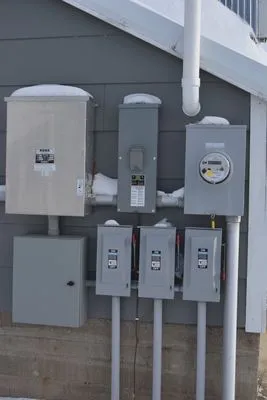
Most Cumberland homes, especially those built in the 1970s, have overhead service delivered by a mast on the roof. This is visible and accessible but more vulnerable to weather and trees. Newer installations or major upgrades might use underground service, where cables run in conduit from the transformer to a meter base on the house. The service type dictates the upgrade path; moving from overhead to underground is a larger project involving trenching. Regardless of type, the point where utility responsibility ends and your home's wiring begins is at the meter, and all components from there inward must be maintained to current NEC standards.
Who do I call for an electrical emergency, like a burning smell or total power loss, near Lakeside Park?
For any electrical emergency, including a burning odor or sudden loss of power, your first call should be to a licensed master electrician. Our service vehicle is typically stationed near the Lakeside Park area, allowing a 3-5 minute response via US-63 to most Downtown Cumberland calls. While you wait, locate and safely turn off the main breaker at your 100A panel if you suspect an immediate hazard. Do not attempt repairs yourself, as the risk of fire or shock is high with older systems.
Our Cumberland home was built around 1977. Is the original wiring still safe for today's electronics and appliances?
Homes from 1977 in Downtown Cumberland have electrical systems that are now about 49 years old. The original NM-B Romex cable is likely 12 or 14-gauge wire, which was adequate for the era but lacks the capacity for modern loads like multiple computers, large-screen TVs, and kitchen appliances all running simultaneously. Wire insulation can become brittle over decades, and outlets from that period often lack the grounding required for sensitive electronics. An evaluation by a master electrician can identify if your system is simply outdated or if it poses an active safety risk.
I have an old 100-amp Federal Pacific panel. Can I safely add a Level 2 EV charger or a heat pump?
A Federal Pacific panel from 1977 presents two critical issues. First, the brand is known for breakers that can fail to trip during an overload, creating a significant fire hazard. Second, a 100-amp service is almost always insufficient for the added load of a Level 2 EV charger or a modern heat pump system. Installing either would require a full service upgrade to at least 200 amps and the mandatory replacement of the Federal Pacific panel with a new, UL-listed panel equipped with modern AFCI and GFCI protection. This is not just an upgrade; it's a necessary safety correction.
My lights flicker during Cumberland thunderstorms. Is this damaging my smart home devices?
Flickering lights during the seasonal thunderstorms common here indicate voltage instability from the Xcel Energy grid. This moderate surge risk can absolutely damage modern smart home electronics, which have sensitive microprocessors. A simple power strip offers no real protection. To safeguard your investment, a whole-house surge protector should be installed at your main service panel. This device intercepts voltage spikes before they enter your home's wiring, providing the first and most critical layer of defense for all your connected devices.
