Top Emergency Electricians in Seattle, WA, 98101 | Compare & Call


A&A Electric
Dean's Home Repair
As You Wish Electric, Plumbing, Heating & Air
FAQs
My lights went out and I smell something burning. How fast can an electrician get here?
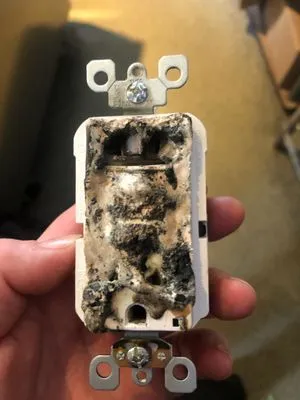
For a burning smell or complete power loss, we prioritize emergency dispatch. From our base near the Seattle Center, we can typically be at your Queen Anne address in 10 to 15 minutes via I-5. The first step is to safely shut off power at the main breaker to prevent a potential fire, then we diagnose the issue at the panel or in the affected circuit.
Do I need a permit from the city to replace my electrical panel?
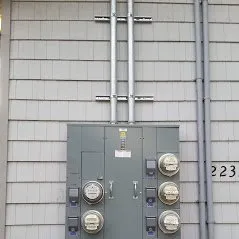
Absolutely. In Seattle, any service upgrade or panel replacement requires a permit from the Department of Construction and Inspections and must be performed by an electrician licensed by the Washington State Department of Labor & Industries. The work will be inspected to ensure it meets NEC 2023 standards. Handling this red tape is our responsibility; we pull all required permits and schedule inspections, providing you with documentation for your records and any future home sale.
My smart home devices keep resetting. Is this a Seattle City Light power quality issue?
While Seattle City Light maintains a reliable grid with low lightning surge risk, minor voltage fluctuations are common. These 'dirty power' moments can disrupt sensitive modern electronics. The issue often originates inside your home, stemming from an overloaded circuit or loose connections in an aging panel. Installing whole-house surge protection at your service entrance and ensuring your circuits are properly balanced provides a much cleaner, more stable power supply for your devices.
Could the steep hillside on Queen Anne affect my home's electrical system?
Yes, terrain directly impacts electrical health. The steep, rocky soil common on Queen Anne hillsides can complicate the installation of an effective grounding electrode system, which is the foundation of safety. Furthermore, heavy tree canopy in these areas can cause interference with overhead service drops during high winds. An electrician should verify your ground rod resistance and inspect the masthead where the utility line connects to your home for any wear or damage.
What should I know about the overhead power line connecting to my house?
Overhead service, common in Seattle's older neighborhoods, uses a mast or riser on your roof. This mast must be rated to support the utility's lines and should be inspected for rust, loose hardware, or damage that could let water into your panel. If you are planning a roof replacement or adding a dormer, coordinating with a licensed electrician to assess and potentially relocate the mast is a necessary step to maintain a safe, code-compliant service entrance.
I have an old Federal Pacific panel. Is it safe to add an EV charger or heat pump?
No, it is not safe. Federal Pacific panels are a known fire hazard due to breakers that can fail to trip during an overload. Even without the hazardous panel, a 100A service from 1973 lacks the capacity for a Level 2 EV charger or a modern heat pump. The project requires a full service upgrade: replacing the dangerous panel with a new one rated for 200A or more, and installing a dedicated circuit with the correct breaker type for the new load.
Why does my power keep tripping in my Queen Anne home? It was built in the 70s.
Your electrical system is about 53 years old. Original NM-B Romex wiring from 1973 was designed for a different era of appliance use, with far fewer high-amperage circuits. Modern 2026 loads from induction cooktops, server racks, and multiple high-definition displays can easily overload those original circuits and the 100A service panel. Upgrading to a 200A service with new branch circuits is often necessary to meet current safety and capacity demands.
How can I prepare my home's electrical system for a Seattle ice storm or winter brownout?
Winter heating surges and ice-related outages stress older systems. Ensure your service mast and overhead connections are secure and clear of tree limbs. For brownout protection, a properly installed and permitted standby generator with an automatic transfer switch is the most reliable solution. It's also a good time to verify your smoke and carbon monoxide detectors are wired correctly with battery backups, as these are critical during extended power losses.
