Top Emergency Electricians in Richland, WA, 99320 | Compare & Call

Essco Electric
Total Energy Management

Gale Electric
B N B Electric & Heating
FAQs
My lights in Richland flicker sometimes. Is this a problem with Richland Energy Services or my house wiring?
Flickering lights can originate from either source. While Richland Energy Services maintains a generally stable grid with low surge risk from storms, internal issues are common in older homes. The problem could be a loose connection in your panel, at a device, or on a specific circuit. Persistent flickering under load often points to an overloaded circuit or a failing connection inside your home that needs professional diagnosis to prevent damage to sensitive electronics.
I have an old 150-amp panel. Can my 1982 house safely add a Level 2 EV charger and a new heat pump?
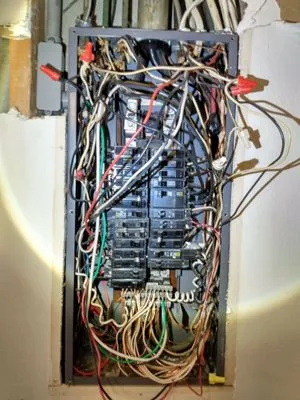
Safely adding both depends heavily on your panel's brand and condition. Many 150-amp panels from that era can be loaded to support these upgrades with proper calculations and dedicated circuits. However, if your panel is a Federal Pacific brand, it must be replaced first, as these are recalled for a failure to trip during overloads, creating a serious fire risk. A full load calculation by a licensed electrician is the essential first step.
I want to upgrade my electrical panel. What permits and codes do I need to follow in Richland?
All major electrical work requires a permit from the City of Richland Development Services Division and must be performed by an electrician licensed by the Washington State Department of Labor & Industries. The work will be inspected to ensure it complies with the current NEC 2023, which includes updated requirements for AFCI and GFCI protection. As your contractor, we handle securing the permit and scheduling inspections, ensuring the upgrade is fully legal and documented.
Our Uptown Richland home was built in 1982. Why do the lights dim when we use the microwave and air conditioner together?
Your 44-year-old electrical system is likely the cause. Homes from this era in Uptown were wired with standard NM-B Romex, which was adequate then. Modern 2026 appliance loads, especially from high-draw kitchen gadgets and air conditioning, can overload original circuits not designed for simultaneous use. This often indicates a need for a dedicated circuit or a panel capacity evaluation to safely meet your home's current demand.
Does the high desert plains terrain near Howard Amon Park affect my home's electrical system?
The primary terrain-related concern here is for your grounding system. The dry, rocky soil common to our high desert plains can have high electrical resistance, which may compromise the effectiveness of your grounding electrodes. This is critical for safety, as a proper ground path directs fault current safely away. During an inspection, we test grounding resistance to ensure it meets NEC standards for your home's protection.
What should I know about the overhead power lines feeding my house in Richland?
Overhead service, common here, involves a mast and weatherhead where utility lines connect to your home. This exposed section is vulnerable to wind, ice, and animal damage. It's important to keep the mast clear of tree branches and to have its integrity inspected periodically. Any work on the mast or service entrance cables requires coordination with Richland Energy Services and must be performed by a licensed electrician to meet strict safety codes.
My power is out and I smell something burning near an outlet. How fast can an electrician get to my house in Uptown?
For an emergency like a burning smell, which indicates a potential fire hazard, we dispatch immediately. From a central point like Howard Amon Park, we can access most Uptown neighborhoods via I-182 and local roads, typically arriving within 5 to 8 minutes. Your first action should be to safely turn off power at the main breaker if possible and evacuate the area around the outlet until we arrive.
How should I prepare my Richland home's electrical system for summer brownouts or winter ice storms?
Preparation focuses on protection and backup. For summer AC peaks that strain the grid, consider installing a whole-house surge protector to shield electronics from voltage sags. For winter lows that can bring ice and power outages, a properly installed and permitted generator with a transfer switch is the most reliable solution. Ensuring your panel, wiring, and grounding are in good health is the foundational step for both scenarios.
