Top Emergency Electricians in Fife, WA, 98424 | Compare & Call


Pacific Mechanical & Electric

Sparkey's Electric
Common Questions
Our house was built in 1999 and we're adding a lot of new appliances. Is the original wiring safe for this?
Your electrical system is now 27 years old. While NM-B Romex wiring from that era is still a standard, its capacity was sized for 1999's load profile. Modern kitchens with multiple high-wattage appliances, home offices, and entertainment systems can easily overload those original circuits. We often find that Fife Heights homes need new dedicated circuits for major appliances and kitchen expansions to safely meet today's demands without tripping breakers or creating fire hazards from overloaded wires.
We have overhead power lines coming to our house. Does that make our electrical service less reliable?
Overhead service, common in Fife Heights, is perfectly reliable but has different maintenance considerations than underground service. The mast where the utility lines connect to your house must be structurally sound and weather-tight. Overhead lines are more exposed to wind, ice, and tree contact, which can cause outages. The key is ensuring the service entrance conductors, mast head, and meter base are in good condition and properly bonded to your home's grounding system to safely manage any external faults.
How should we prepare our home's electrical system for winter ice storms and potential brownouts?
Winter heating surges are the peak season for electrical loads. Preparing involves securing your system against both loss of power and the surge when it returns. We recommend a whole-house surge protector installed at the panel to guard electronics. For extended outages, a properly installed generator with a transfer switch is key; never use a portable generator indoors or by back-feeding through an outlet. Ensuring your panel and all connections are tight before the season starts prevents faults when the system is under maximum strain from space heaters and heat pumps.
Do we need a permit from the Fife Building Division to upgrade our electrical panel?
Yes, a permit is legally required for a panel replacement or upgrade. As a Master Electrician licensed by the Washington State Department of Labor and Industries, I handle all permit applications and scheduling of inspections with the Fife Building Division. This ensures the work complies with the current NEC 2023 code, which has updated requirements for AFCI protection and grounding. The inspection provides you with an official record that the work is safe and adds value to your home.
We live on the rolling glacial plains near Dacca Park. Could the terrain affect our home's electrical system?
The terrain itself can impact system health in two ways. First, the heavy tree canopy common in these areas can cause line interference and increase the risk of limbs falling on overhead service drops during windstorms. Second, grounding electrode systems must be installed to reach moist soil below the glacial till; a poor ground can lead to erratic breaker operation and inadequate surge protection. We verify ground rod resistance during any major service evaluation to ensure your safety system is fully functional.
We lost power and smell something burning. How fast can an electrician get to our home in Fife?
For an emergency like a burning smell, which indicates an active electrical fault, immediate response is critical. From our base near Dacca Park, we can typically be on-site in Fife Heights within that 8-12 minute window via I-5. Your first step is to shut off power at the main breaker if it's safe to do so. We'll then diagnose the source, which is often a failing connection at an outlet, switch, or within the panel itself, and make the repair to prevent a fire.
Our lights in Fife flicker occasionally. Is this a problem with Puget Sound Energy or our house wiring?
Flickering lights usually point to a loose connection. While Puget Sound Energy maintains a generally stable grid with low lightning surge risk, our area's moderate wind and tree interference can cause momentary dips. However, if the flickering is consistent or tied to using a specific appliance, the fault is almost certainly inside your home—often at the service entrance connection, a failing breaker, or a loose wire nut in a switch box. These faults generate heat and degrade over time, so diagnosing them promptly prevents damage to sensitive electronics.
We have a 150-amp panel and want to add an EV charger and a heat pump. Is our current system sufficient?
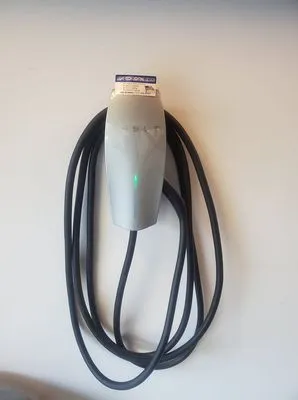
A 150-amp service from 1999 provides moderate capacity, but supporting both a Level 2 EV charger (requiring a 40-60 amp circuit) and a heat pump simultaneously demands a detailed load calculation. It's often possible, but we must first verify your panel's manufacturer. Many homes of that era in our area have recalled Federal Pacific panels, which are a known fire hazard and must be replaced before adding any significant new load. A panel upgrade to 200 amps is frequently the safest, most future-proof solution.
