Top Emergency Electricians in Clinton, WA, 98236 | Compare & Call


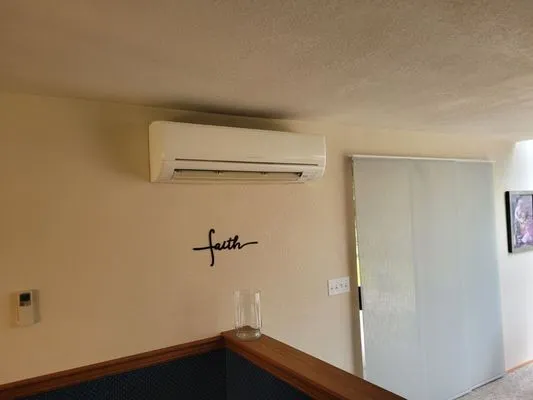
Energywise Ductless Heat Pumps
FAQs
What permits are needed for an electrical panel replacement in Island County, and is your work up to current code?
All major electrical work, like a panel replacement, requires a permit from Island County Planning & Community Development. As a Master Electrician licensed by the Washington State Department of Labor & Industries, I handle pulling that permit and scheduling the required inspections. Our work is performed to the latest NEC 2023 standards, which in Washington State include specific amendments for AFCI and GFCI protection. This ensures your installation is not only safe but fully compliant, protecting your home's value and your insurance coverage.
The power just went out and I smell something burning from an outlet. Who can get here fast in Clinton?
For a burning smell, treat it as an active electrical fire risk and call 911 immediately. For a licensed electrician, we're based nearby and can typically dispatch from the Clinton Ferry Terminal, using SR 525 to reach most Clinton Terrace homes within 5-8 minutes. It's critical to shut off power at the main breaker if it's safe to do so while you wait, as this can prevent a smoldering connection from escalating into a full fire.
Our lights in Clinton flicker during windstorms. Is this damaging our computers and smart home gadgets?
Flickering lights during Puget Sound Energy outages or wind events indicate unstable voltage, which absolutely can damage sensitive electronics. The moderate surge risk from Clinton's seasonal wind and tree-related outages means these micro-surges are frequent. To protect your equipment, we recommend installing a whole-house surge protector at your main panel. This device clamps damaging voltage spikes before they reach your outlets, safeguarding computers, TVs, and smart home hubs from premature failure.
We live near the bluffs with lots of trees. Could that be causing our intermittent electrical issues?
Yes, Clinton's heavy tree canopy and coastal bluffs directly impact electrical health. Overhead service lines can be abraded by swaying branches, leading to intermittent faults. Furthermore, the rocky, bluff soil common here can compromise your grounding electrode system, which is critical for safety and surge dissipation. We often test ground resistance at properties like yours and may need to drive additional grounding rods or use chemical treatments to achieve a low-resistance path to earth, as required by code.
We have an old 100-amp Federal Pacific panel and want to add an EV charger. Is this even possible with our current setup?
A Federal Pacific panel is a known safety hazard due to breakers that can fail to trip during an overload, creating a serious fire risk. Installing a high-demand device like a Level 2 EV charger on this panel is not recommended. Even if the panel were safe, a 100-amp service from 1977 is typically insufficient for the continuous load of an EV charger plus modern heating and appliances. The solution is a full service upgrade to at least 200 amps with a new, code-compliant panel, which also creates the capacity for future heat pumps.
Our Clinton Terrace house was built in 1977 and has the original wiring. Why are the lights dimming when we run the microwave and air fryer at the same time?
Your electrical system is 49 years old, which means it was designed for a different era of power consumption. The NM-B Romex wiring from 1977 is generally safe if undisturbed, but its circuits were sized for far fewer appliances. Modern 2026 kitchen loads, like high-wattage air fryers and microwaves, can easily overload those original circuits, causing voltage drop you notice as dimming lights. Upgrading branch circuits or the main service panel may be necessary to safely meet today's demands.
Our power comes in on an overhead mast. What are the common issues with this type of service in our neighborhood?
Overhead mast service, while common in Clinton, has specific vulnerabilities. The mast itself can be damaged by falling branches or severe weather, potentially pulling the service entrance cables loose. We also see wear at the weatherhead where the utility lines connect, which can allow moisture ingress. During a service upgrade or inspection, we verify the mast is properly secured and rated for the new service capacity. Ensuring a clear path from the utility drop to your house is also important to prevent tree interference.
How should I prepare my Clinton home's electrical system for winter ice storms and potential brownouts?
Winter heating surges and ice storms stress both the grid and your home's electrical system. Start by having your heating equipment, like furnace blowers or heat pumps, inspected to ensure they aren't drawing excessive current. For brownout protection, consider installing a standby generator with a proper transfer switch; a licensed electrician must perform this to prevent back-feeding the grid, which is lethal to utility workers. Point-of-use surge protectors are also advised for major appliances to handle the unstable power when the grid restores.
