Top Emergency Electricians in Saint Albans, VT, 05478 | Compare & Call

There are 30 electrician companies server in Saint Albans VT
Lakeside Electric
Lakeside Electric has been a trusted provider of comprehensive electrical services for homes and businesses across South Burlington and Chittenden County for over three decades. As a fully licensed an...
Brite Electric brings decades of Vermont-specific electrical expertise to Williston. Founded in 1994 by an electrician who earned his Vermont Journeyman's license in 1982, our team combines experience...
Northstar Electric
Northstar Electric was founded in 2019 by a team of Licensed Master Electricians, each bringing over a decade of hands-on experience to every job in Colchester. We built our company on a simple princi...
Rivervale Electric is a locally owned and insured electrical service provider in Shelburne, VT, dedicated to serving the community with reliable residential electrical work. Our experienced team is co...
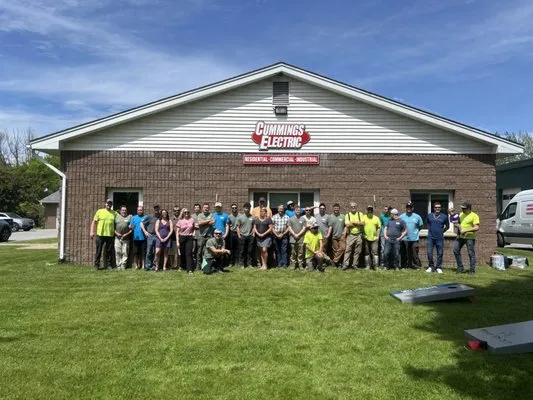
Cummings Electric
Cummings Electric is a fully licensed, bonded, and insured electrical contractor proudly serving South Burlington and the surrounding region for over three decades. As a trusted local partner, we spec...
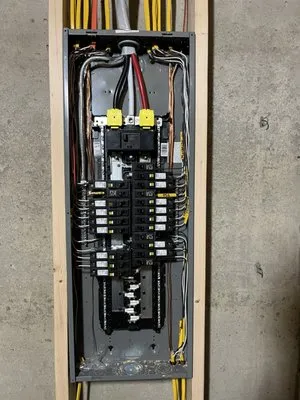
Champlain Islands Electric provides comprehensive electrical services to homeowners and businesses in South Hero, VT. We specialize in installations, repairs, and upgrades for your home's electrical s...
B&B Electrical has been a trusted electrician in Colchester, VT, for over a decade, dedicated to providing reliable and safe electrical services for every home and business. Our approach is built on a...
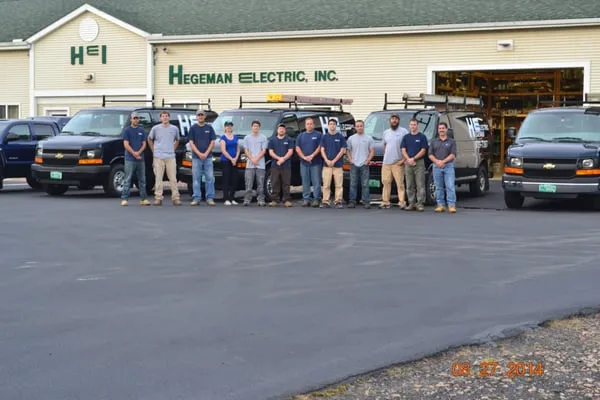
Hegeman Electric Inc is a trusted electrical contractor serving Essex Junction, VT, with deep roots in the community. Owner Mark Burnham has been with the company since 1982 and purchased it from foun...
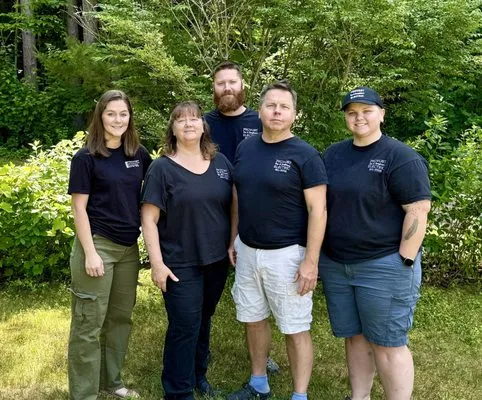
Provost Son and Daughters Electric
Provost Son and Daughters Electric is a family-owned and operated electrical company serving Milton, VT, and surrounding Vermont communities since 2008. Specializing in both residential and commercial...
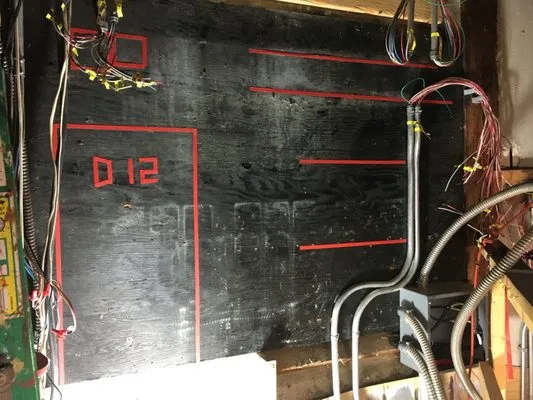
Witchcat Electric is your local Bakersfield, VT electrical specialist, owned and operated by a master electrician. We provide direct, personal service for every project, handling residential, commerci...
Estimated Electrical Service Costs in Saint Albans, VT
Questions and Answers
How should I prepare my electrical system for -20°F winter storms and potential brownouts?
Vermont's winter heating surge season places maximum demand on electrical systems just when ice storms threaten grid stability. Start with a professional load calculation to ensure your panel can handle simultaneous heating, lighting, and appliance use. Consider installing a transfer switch for generator backup before winter arrives - this allows safe connection during outages without backfeeding the grid. Whole-house surge protection becomes crucial during restoration when power fluctuations are common.
Can my 1974 house with a 100A panel safely add an electric vehicle charger or heat pump?
Your current 100A service panel, especially if it contains Federal Pacific equipment, presents significant limitations for modern upgrades. Federal Pacific panels have known failure rates and should be replaced regardless of other plans. Adding a Level 2 EV charger typically requires 40-50A dedicated circuits, while heat pumps need 30-60A depending on capacity. With existing household loads, a 100A panel cannot safely accommodate these additions without risking overloads - a service upgrade to 200A is necessary first.
What maintenance does my overhead mast service need compared to underground lines?
Overhead mast service in Saint Albans requires different maintenance than underground installations. Your service drop from the utility pole to your mast head is exposed to weather, ice accumulation, and potential tree contact. We inspect the mast head, weatherhead, and service entrance conductors for corrosion or damage during seasonal checkups. The meter base and service panel connections also need periodic tightening since thermal expansion/contraction from Vermont's temperature swings can loosen connections over time.
What permits and codes apply if I need to upgrade my electrical panel?
Panel upgrades in Saint Albans require permits from the City Building and Zoning Department and must comply with NEC 2023 standards. As a Vermont Office of Professional Regulation licensed master electrician, I handle the permit applications, inspections, and documentation. The process includes load calculations, equipment specifications, and coordination with Green Mountain Power for service disconnect/reconnect. Proper licensing ensures the work meets all safety requirements and maintains your home's insurability.
My power went out and I smell something burning near an outlet - how quickly can an electrician get here?
For urgent electrical emergencies like burning smells or smoke, we dispatch immediately from our Taylor Park location. Using I-89, we typically reach Hillside addresses within 5-8 minutes during normal traffic conditions. Burning odors indicate potential overheating or arcing that requires immediate attention to prevent fire spread, so we prioritize these calls and bring thermal imaging equipment to identify hidden hot spots.
Do the rolling hills around Taylor Park affect my home's electrical reliability?
The rolling hills terrain in the Hillside area creates several electrical considerations. Elevation changes can expose overhead service drops to stronger winds and ice accumulation during storms. Rocky soil conditions common in hilly areas may affect grounding electrode resistance, requiring deeper ground rods or multiple electrodes to achieve proper grounding. Tree canopy interference with overhead lines is also more prevalent in these landscapes, potentially causing nuisance tripping or power quality issues.
Why do my lights dim when I run the microwave and air conditioner together in my Hillside home?
Your electrical system is about 52 years old, dating back to 1974 when NM-B Romex wiring was installed. While that wiring was adequate for its time, modern 2026 appliances like induction cooktops, high-efficiency HVAC systems, and entertainment centers draw significantly more power. The original circuits in Hillside homes simply weren't designed for today's simultaneous electrical loads, creating voltage drops that manifest as dimming lights or tripped breakers.
Why do my lights flicker during storms even when my neighbors' don't?
Green Mountain Power's grid experiences moderate surge risks during seasonal ice storms and grid fluctuations. Flickering lights often indicate loose connections somewhere between the utility transformer and your specific circuits - possibly at the service entrance, meter base, or within your panel. Modern smart home electronics and LED lighting are particularly sensitive to these voltage variations. We recommend installing whole-house surge protection at your main panel to buffer these fluctuations and protect sensitive equipment.
