Top Emergency Electricians in Charlotte, VT, 05445 | Compare & Call
There are 63 electrician companies server in Charlotte VT

Grinnell Electric is a trusted, locally-owned electrical contractor serving the Williston, VT community. We specialize in comprehensive electrical inspections and diagnostic services designed to ident...
MEI Electrical Contractors, formerly Mike's Electric Inc., has grown from a local operation into one of Vermont's largest electrical contractors, serving the community for years. Headquartered in Jay,...
Timberline Electric is a trusted, locally-owned electrical contractor serving Williston, VT, and the surrounding communities. We specialize in providing safe, reliable, and code-compliant electrical s...
Residential Remedies is your local Leicester electrician, dedicated to ensuring the safety and reliability of your home's electrical system. We handle everything from routine installations to urgent r...
Gearwar Electric
Joe Gearwar is a licensed and insured electrician serving Proctor and the surrounding Vermont communities. With over 18 years of hands-on experience, Joe founded Gearwar Electric LLC to provide reliab...
Anthony Rieder is a Licensed Master Electrician serving Vermont and New Hampshire, with seven years of comprehensive experience across commercial, residential, fire alarm, and data systems. His goal i...
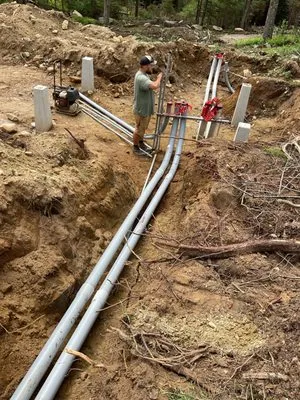
Rob Stubbins Electrical began as a home-based operation in 1998, founded by Rob Stubbins Sr. in Rutland. As the business grew, Rob was joined by his son, Robbie, and other skilled electricians, leadin...
John Eastman Electrical is a trusted local electrician serving Hinesburg, Vermont, with a focus on safety and reliability. We specialize in thorough electrical inspections to identify and resolve comm...
Carroll Electrical Construction is a trusted, local electrician serving Hinesburg, VT, and the surrounding communities. We specialize in a comprehensive range of electrical services, from routine repa...
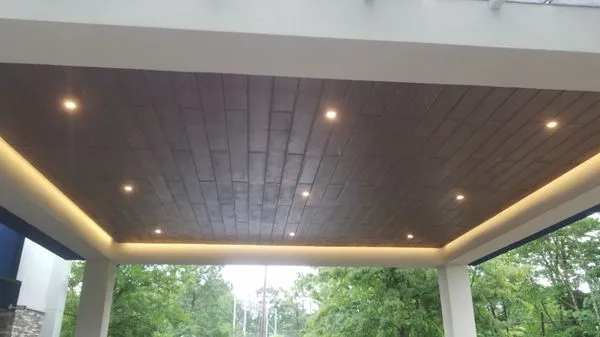
M.J Electric is a fully licensed and insured electrical service provider serving Hinesburg, Vermont, with over ten years of dedicated experience. Founded by owner Mike Trombly, a National Guard vetera...
Estimated Electrical Service Costs in Charlotte, VT
Questions and Answers
My lights went out and I smell something burning—how fast can an electrician get here?
For an urgent situation like that, we dispatch immediately from our Charlotte base. From a start point near the Charlotte Town Beach, we can use US Route 7 to reach most homes in the area within 8 to 12 minutes. Your first action should be to go to your electrical panel and shut off the main breaker if it's safe to do so, which will help isolate the problem until we arrive.
What should I know about my home's overhead electrical service in a wooded area like Charlotte?
Overhead service with a masthead is common here. You need to ensure the mast is securely mounted and free of corrosion, and that tree limbs are trimmed well back from the service drop. The point where the utility's lines connect to your mast is a critical inspection point for wear. In this setting, the entire overhead pathway is vulnerable to weather and trees, requiring proactive maintenance.
Could the heavy tree canopy near Charlotte Town Beach be causing electrical problems at my house?
Absolutely. A heavy tree canopy increases the risk of limbs contacting or falling on overhead service lines, especially during storms. This can cause power flickers, outages, or even damage your masthead. Furthermore, Vermont's rocky soil and dense root systems can complicate the installation of a proper grounding electrode system, which is essential for safety and surge protection.
What's involved in getting a permit for an electrical upgrade from the Vermont Department of Public Safety?
Any significant work, like a service upgrade or rewiring, requires a permit from the Vermont Department of Public Safety - Division of Fire Safety. As a Master Electrician licensed by the Vermont Electrical Examiners Board, I handle the entire permit process, ensuring all work complies with NEC 2023. This includes scheduling the required inspections, which provides you with a certified record of safety and code compliance for your home.
Can my old 60-amp panel with Federal Pacific breakers handle adding a heat pump or EV charger?
No, it cannot safely support that load. A Federal Pacific panel is a known hazard, as its breakers have a high failure rate and may not trip during an overload, posing a serious fire risk. The existing 60-amp capacity is also insufficient for a Level 2 EV charger or a heat pump. A full service upgrade to a modern 200-amp panel with AFCI breakers is the necessary first step for both safety and functionality.
How do I prepare my Charlotte home's electrical system for winter ice storms and -15°F temperatures?
Winter heating surges and ice storm outages are a real concern. Have your service mast, overhead lines, and panel connections inspected for integrity before the cold sets in. For backup during prolonged outages, a properly installed and permitted generator with a transfer switch is the safest solution. This prevents dangerous backfeed onto the utility lines and protects your home's circuitry.
Why do my lights flicker and my smart devices reboot when Green Mountain Power has an issue?
Flickering often points to a loose connection in your aging wiring or at the service entrance. Seasonal ice storms on the Green Mountain Power grid can cause momentary outages and voltage surges. These surges are particularly hard on modern smart home electronics and computers. Installing a whole-house surge protector at your main panel is a critical defense to absorb these grid disturbances.
Why does my 1948 Charlotte Center home keep tripping breakers when I use modern appliances?
Homes from 1948, like many in Charlotte Center, were originally wired with knob and tube systems designed for about 30 amps of total capacity. At 78 years old, this 60A service and its wiring are simply not built to handle the simultaneous load of a refrigerator, dishwasher, computer, and air conditioner common in 2026. The insulation becomes brittle, and the system lacks the dedicated circuits required by the current National Electrical Code, leading to overloads and potential fire hazards.
