Top Emergency Electricians in South Jordan, UT, 84088 | Compare & Call
There are 238 electrician companies server in South Jordan UT
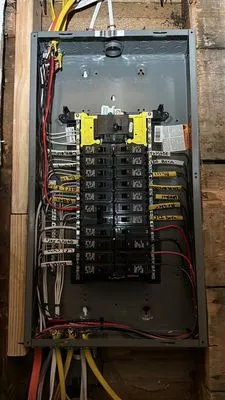
At Lopez Electrical Service in Lehi, UT, we're driven by a genuine passion for electrical work. This isn't just a job; it's a craft we take pride in, which is why every service we perform comes with a...
Lightning Electric is a trusted Riverton electrician dedicated to keeping homes safe and functional. We specialize in thorough electrical inspections to identify hidden hazards before they become emer...
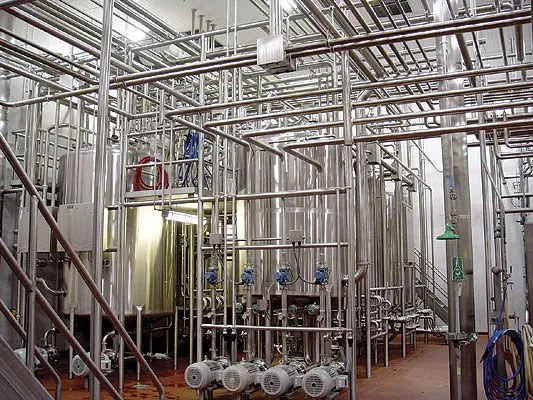
Freedom Process Piping, Inc. is a family-owned and operated contractor serving Bluffdale, Utah, and the surrounding region since 2011. We approach every project, from custom skidded pasteurizer system...

Bar H Bar Electric
Bar H Bar Electric is a Lehi-based, family-owned electrical service provider dedicated to serving Utah County and Washington County. With a deep understanding of Utah homes, their licensed electrician...
Big Bear Electric is a trusted local electrician serving Riverton, UT homeowners with reliable electrical solutions. We specialize in addressing common local electrical problems like improper groundin...
Twisted Electric is a trusted Riverton electrical contractor dedicated to solving the everyday electrical challenges homeowners face. Many in our community struggle with nuisance trips from modern arc...
All American Contractors
All American Contractors is a trusted general contractor serving Riverton, UT, and the surrounding areas. We specialize in a wide range of home services, including drywall installation and repair, ele...
Copper State Electric is your trusted, local electrical expert in Herriman, UT. We specialize in identifying and fixing common household electrical problems, such as loose connections and the aftermat...
Estimated Electrical Service Costs in South Jordan, UT
Frequently Asked Questions
Does the high desert basin soil near South Jordan City Hall affect my home's electrical grounding?
Yes, the dry, rocky soil characteristic of Utah's high desert basin can increase grounding resistance, potentially compromising your electrical system's safety. Proper grounding requires driving grounding electrodes deep enough to reach moist soil or using multiple rods to achieve the NEC-required 25-ohm resistance. An electrician can perform a ground resistance test and may recommend chemical treatments or additional electrodes to ensure fault currents have a safe path to earth, particularly important for lightning protection.
Can my 2006-built home with a 200A panel safely add a Level 2 EV charger?
A 200A service panel from 2006 provides adequate capacity for a Level 2 EV charger, but safety depends on your panel's brand and condition. If you have a Federal Pacific panel—common in homes of that era—it must be replaced first, as these panels are known for fire hazards and failure to trip properly. Even with a safe panel, a dedicated 240V circuit with proper AFCI protection should be installed by a licensed electrician to handle the continuous 30-50 amp load an EV charger requires.
Why do my smart home devices reset during thunderstorms in South Jordan?
Rocky Mountain Power's grid in our area faces moderate surge risks from seasonal thunderstorms, which can send voltage spikes through your home's wiring. Modern electronics like smart thermostats and computers are particularly sensitive to these fluctuations. Installing whole-house surge protection at your main panel, combined with point-of-use protectors for critical devices, creates layered defense. This approach is more effective than relying solely on power strips for expensive electronics.
What permits are needed to upgrade my electrical panel in South Jordan?
Any panel replacement or major circuit addition requires a permit from the South Jordan City Building and Planning Department, with inspections to ensure compliance with NEC 2023 standards. As a Master Electrician licensed through the Utah Division of Professional Licensing, I handle this paperwork and coordinate inspections. This process verifies proper bonding, grounding, and AFCI protection—critical for safety and insurance requirements. Skipping permits risks voiding homeowners insurance and creating fire hazards.
What should I know about underground electrical service in Daybreak neighborhoods?
Most Daybreak homes have underground lateral service, meaning power lines run buried from the street to your meter. This provides cleaner aesthetics and reduced weather exposure compared to overhead lines, but repairs can be more complex if the underground conduit is damaged. Always call 811 before any digging projects to avoid striking these lines. Your meter and main disconnect are typically located on an exterior wall, with the main panel inside—this setup requires proper sealing where conduits enter the home to prevent moisture intrusion.
How can I prepare my home's electrical system for summer brownouts or winter ice storms?
For summer AC peaks that strain the grid, consider installing a transfer switch and generator to maintain essential circuits during brownouts. In winter, when temperatures drop to 18°F, ensure outdoor outlets have weatherproof covers and GFCI protection to prevent ice-related shorts. Whole-house surge protection also helps guard against voltage fluctuations during storm-related grid switching. These measures protect both your home's wiring and sensitive electronics year-round.
What should I do if I smell burning from my electrical panel?
Immediately turn off the main breaker at your panel and call for emergency electrical service. From South Jordan City Hall, a technician can typically reach Daybreak homes via Bangerter Highway within 8-12 minutes during normal traffic. Do not attempt to investigate the smell yourself, as electrical fires can start behind walls. Keep the main breaker off until a licensed electrician arrives to assess and repair the issue.
Why do my Daybreak home's lights dim when I run multiple appliances at once?
Your South Jordan home's electrical system is now 20 years old, built around 2006 with NM-B Romex wiring. While that wiring met code at the time, modern 2026 appliance loads—especially in kitchens and laundry rooms—draw more power than those original circuits were designed to handle. This can cause voltage drops that manifest as dimming lights or tripped breakers. Upgrading specific circuits or adding dedicated lines for high-draw appliances often resolves these capacity issues safely.
