Top Emergency Electricians in Sullivan City, TX, 78595 | Compare & Call
There are 35 electrician companies server in Sullivan City TX
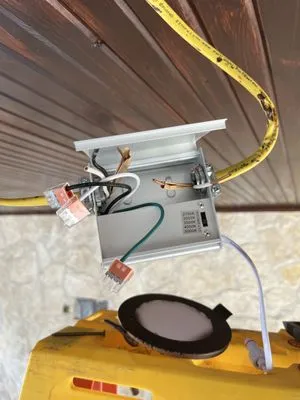
Blue Arc Solutions is your trusted local expert in Palmview, TX, offering a unique combination of electrical, irrigation, and tree services. We understand that Palmview homeowners often face specific ...
A1 Electrical & Concrete
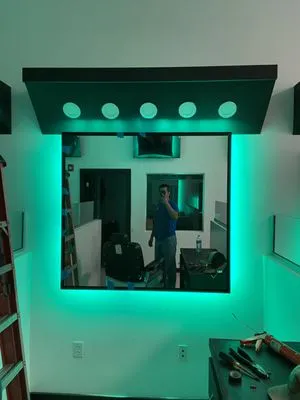
A1 Electrical & Concrete is a trusted local contractor in Mission, TX, uniquely equipped to handle both electrical and masonry work for homeowners. We specialize in resolving common local electrical c...
Olympian Electrical Solutions
Olympian Electrical Solutions is a family-owned and operated business proudly serving Mission and the Rio Grande Valley. Founded by a Texas Master Electrician with over a decade of experience, we tran...

Grupo Telco
Grupo Telco is a trusted, licensed electrical contractor serving Mission, TX, and the surrounding Rio Grande Valley. We provide comprehensive solutions that blend electrical expertise with security an...

P & R Home Builders is your trusted local expert for home maintenance and improvement in Mission, TX. With over 20 years of experience serving the Rio Grande Valley, we provide a comprehensive range o...
Estimated Electrical Service Costs in Sullivan City, TX
Question Answers
My power went out and I smell something burning - how fast can an electrician get here?
For emergency electrical issues like burning smells or complete power loss, we prioritize immediate response. From Sullivan City Hall, we can typically reach most Sullivan City homes within 5-8 minutes using US-83 for efficient routing. Burning odors often indicate overheating at connections or failing components that require immediate attention to prevent fire hazards. We recommend turning off power at the main breaker and evacuating if the smell intensifies while waiting for professional assistance.
What permits and codes apply to electrical work in Sullivan City homes?
All electrical work in Sullivan City requires compliance with NEC 2020 standards and permits from the Sullivan City Building Department. As a Master Electrician licensed through the Texas Department of Licensing and Regulation, I handle the complete permit process including applications, inspections, and final approvals. This ensures your project meets current safety codes for AFCI protection, grounding, and load calculations. Proper documentation through the permit office also maintains your home's value and provides legal protection should any issues arise with future sales or insurance claims.
Why does my 30-year-old Sullivan City home keep tripping breakers when I run multiple appliances?
Your home's original NM-B Romex wiring from 1996 was designed for lower electrical demands than today's standards. Modern appliances like air fryers, gaming systems, and smart home devices create cumulative loads that can exceed the capacity of 30-year-old circuits. Many Sullivan City Residential District homes with original wiring struggle with voltage drop and overheating at connections when running multiple high-wattage devices simultaneously. Upgrading to dedicated circuits or rewiring key areas can resolve these issues while maintaining NEC 2020 compliance.
Why do my lights flicker during storms with AEP Texas service?
Flickering lights during Sullivan City storms typically indicate grid disturbances from AEP Texas's overhead distribution system. Our region's high lightning activity creates voltage spikes that travel through power lines, affecting sensitive electronics. Modern smart home devices, computers, and LED lighting are particularly vulnerable to these surges. Installing whole-house surge protection at your service entrance can mitigate damage, while individual AFCI/GFCI outlets provide additional protection for critical circuits during frequent electrical storms.
How should I prepare my electrical system for Sullivan City's summer brownouts and winter ice storms?
Sullivan City's climate demands specific electrical preparations. For summer AC peak loads that strain the grid, consider installing a transfer switch for generator backup before brownout season. During winter lows around 28°F, ensure outdoor receptacles have weatherproof covers and consider heat tape for vulnerable pipes. Whole-house surge protection becomes essential given our frequent lightning, while maintaining clear access to your electrical panel ensures quick response during emergencies. These measures protect both your home's electrical integrity and your family's comfort through seasonal extremes.
Can my 1996-built home with a 125A panel safely add an EV charger or heat pump?
Your current 125A service panel from 1996 faces significant limitations for modern electrical additions. Level 2 EV chargers typically require 40-50A dedicated circuits, while heat pumps need 30-60A depending on capacity - both would likely overload your existing service. More critically, if your panel is a Federal Pacific brand, it presents immediate safety concerns as these panels have known failure rates and should be replaced regardless of upgrade plans. A service upgrade to 200A with modern AFCI breakers would be necessary for safe EV charger or heat pump installation.
What should I know about overhead service lines in Sullivan City neighborhoods?
Overhead service lines with mast connections, common throughout Sullivan City, require specific maintenance awareness. These exposed lines are vulnerable to weather damage, tree contact, and animal interference. Regularly inspect the mast head and service drop for wear, and maintain at least 10 feet of clearance from trees or structures. During storms, overhead lines can sway and potentially arc, making whole-house surge protection particularly important. Understanding that your service entrance includes both utility-owned and homeowner-maintained components helps prioritize safety inspections and necessary repairs.
Does Sullivan City's flat semi-arid terrain affect my home's electrical grounding?
The flat semi-arid plains around Sullivan City Hall present unique grounding challenges. Dry, compacted soil has higher electrical resistance, which can compromise grounding electrode performance during fault conditions. Proper grounding requires longer rods or multiple electrodes to achieve the NEC-required 25-ohm resistance. Additionally, the lack of natural moisture means grounding systems need regular testing to ensure they maintain effectiveness. We recommend professional grounding verification every 3-5 years in our terrain to ensure your electrical system's safety during lightning strikes or equipment faults.
