Top Emergency Electricians in Sachse, TX, 75048 | Compare & Call


Questions and Answers
My home has underground electrical service. What are common issues I should watch for?
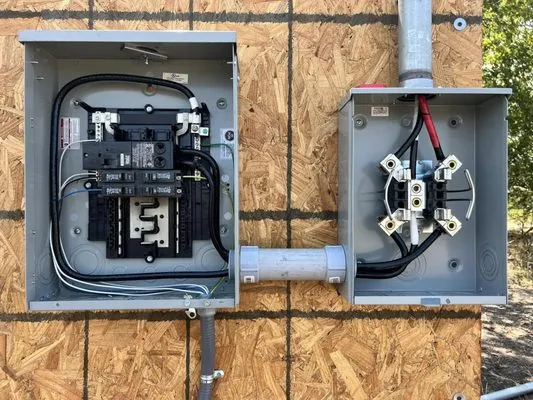
Underground service laterals, common in Firewheel Estates, are generally reliable but have unique concerns. The main issue is degradation of the buried cable splice or conduit, which can lead to a loss of neutral and cause dangerous voltage irregularities inside your home. Another point of failure is at the meter socket, where moisture can corrode connections. We inspect the service entrance conductors from the utility point of attachment to your main panel, checking for corrosion, proper mast seals, and correct torque on all lugs to prevent heat buildup.
I lost power and smell something burning near my panel. How fast can an electrician get here?
For a burning smell or sudden power loss, we prioritize immediate dispatch. Starting from Heritage Park, we can typically reach homes in Firewheel Estates within 8 to 12 minutes using the President George Bush Turnpike. This quick response is critical for preventing a potential electrical fire. Upon arrival, we’ll first secure the main breaker and diagnose the issue, which is often a failing breaker or a loose connection at the bus bars.
I want to upgrade my electrical panel. What permits are required with the City of Sachse, and which electrical code do you follow?
All panel upgrades or service changes in Sachse require a permit from the City Building Inspection Department. As a Master Electrician licensed by the Texas Department of Licensing and Regulation (TDLR), I pull these permits on your behalf and schedule the required inspections. Our work strictly follows the 2023 National Electrical Code (NEC), which is the adopted standard in Texas. This ensures your installation meets current safety protocols for AFCI protection, surge protection, and load calculations, keeping your home compliant and insurable.
How should I prepare my home's electrical system for Texas summer brownouts or a winter ice storm?
For summer peak loads, ensure your air conditioning disconnect and condenser wiring are in good condition to handle constant cycling, which can prevent overheating. A whole-house surge protector is essential to guard against grid fluctuations during storms. For winter preparedness, consider a hardwired generator with a proper transfer switch; portable generators connected via extension cords are a major safety risk. These steps protect your home from both brownout-related damage and extended outages.
My home in Firewheel Estates was built in 2003. Why do my lights dim when my newer appliances turn on?
Your home’s electrical system is 23 years old. Original NM-B Romex wiring from that era was designed for the loads of the early 2000s. Modern 2026 appliances, like high-efficiency heat pumps and induction cooktops, draw more consistent power and can reveal voltage drop issues in older circuits. An inspection can identify if your 150-amp service and branch circuits need an upgrade to handle today’s simultaneous demand safely.
Does the rolling prairie soil near Heritage Park affect my home’s electrical grounding?
Yes, soil composition directly impacts grounding effectiveness. The clay-heavy, rolling prairie soil in our area can retain moisture unevenly, leading to higher resistance on your grounding electrode system. This can compromise surge protection and equipment safety. We perform ground resistance testing to ensure your ground rods or ufer ground meet NEC requirements. Proper bonding of all electrodes, including water and gas lines, is crucial for a safe path to earth, especially during lightning events common to this region.
My smart home devices keep resetting and lights flicker. Is this an Oncor grid problem or my wiring?
Flickering lights and device resets often point to a voltage fluctuation. Given Sachse’s high lightning strike risk, Oncor’s grid can experience transient surges that older whole-house protectors may not catch. However, the issue could also be inside your home, like a failing main neutral connection or overloaded circuits. We use monitoring equipment to determine if the instability is from the utility drop or your internal wiring, which dictates the fix—from installing a modern Type 1 surge protector to repairing a faulty service entrance cable.
I have a 150-amp panel from 2003 and want to install a Level 2 EV charger. Is my system safe and capable?
It depends on your panel’s condition and manufacturer. Many 2003-era 150-amp panels can support a Level 2 charger after a load calculation, but you must confirm the panel is not a recalled Federal Pacific model, which is a known fire hazard and must be replaced. Even with a safe panel, the 23-year-old breakers and bus bars may be worn. A full assessment of your home’s current load, including central AC, is the first step to ensuring a safe, code-compliant EV charger installation.
