Top Emergency Electricians in Cleburne, TX, 76031 | Compare & Call

KAT Electrical Services

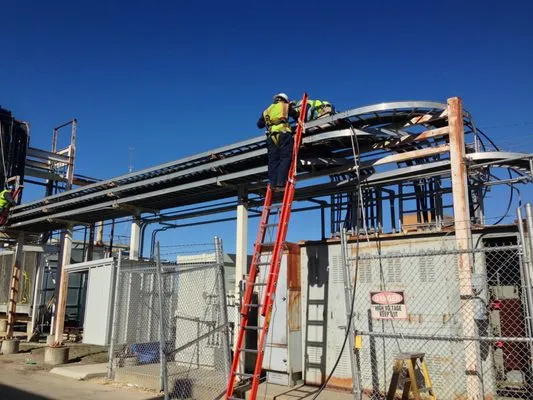
A & B Electrical Service Contractors
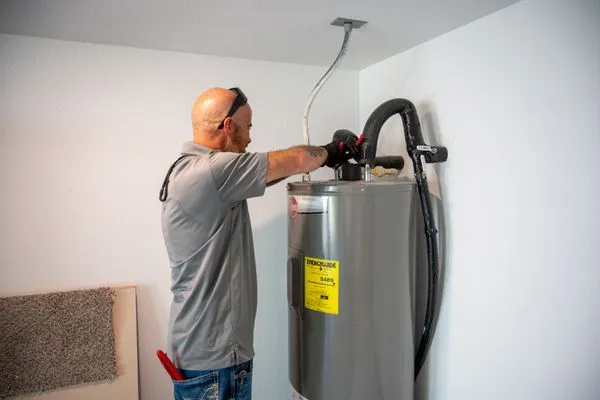
Airmasters AC, Heat, Plumbing & Electrical
George Wayne Mechanical, Electrical & Plumbing
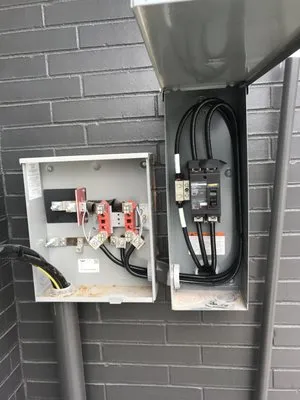
Question Answers
I smell something burning near my electrical panel. How fast can a Master Electrician get to a house in the Cleburne Historic District?
For an emergency like a burning smell, which indicates potential arcing or overheating, we treat it as a priority dispatch. From a central point like the Layland Museum, we can typically reach any home in the historic district within 5 to 8 minutes via US-67 and the local grid. Your first action should be to safely shut off the main breaker if you can do so without risk, then call for immediate service.
How should I prepare my home's electrical system for a Texas ice storm or a summer brownout?
Preparing for a winter ice storm or summer brownout involves securing both power and protection. For winter, ensure your heating system is on a dedicated circuit and consider a licensed generator installation with a proper transfer switch. For summer, whole-home surge protection is critical to guard against voltage sags and spikes that accompany grid strain. These proactive steps prevent damage to your HVAC, refrigerator, and electronics during extreme weather.
What permits and codes are involved if I upgrade my electrical panel in Cleburne?
Any panel upgrade or major service change in Cleburne requires a permit from the Cleburne Building Inspections Department and must comply with the 2023 NEC, which is Texas's current adopted standard. As a Master Electrician licensed by the Texas Department of Licensing and Regulation, I handle the entire permit process, from load calculations and AFCI breaker requirements to scheduling the final inspection with Oncor. This ensures the work is documented, safe, and fully code-compliant.
Why do my lights flicker and my smart devices reset during storms here in Cleburne?
Flickering lights and device resets often stem from voltage fluctuations on the Oncor grid, which are exacerbated by our high lightning risk on the prairie. These micro-surges can bypass basic power strips and damage sensitive electronics. Installing a whole-home surge protector at your service panel is the most effective defense, creating a barrier that protects every circuit and device in your house from these transient spikes.
My 46-year-old Cleburne Historic District home has original NM-B Romex wiring. Why do my lights dim when the fridge and microwave run?
A 100-amp panel from 1980 was adequate for its time, but it wasn't designed for the constant, high-wattage loads of modern 2026 kitchens and home offices. Original NM-B Romex cable is generally safe if undisturbed, but its capacity is now divided among far more appliances, causing voltage drops. This dimming is a clear signal your electrical system is overloaded and likely needs a service capacity evaluation and panel upgrade.
Does the rolling prairie soil near the Layland Museum affect my home's electrical grounding?
Yes, the dense, rocky clay common in our rolling prairie can challenge a proper grounding electrode system. This soil has higher resistance, which can impede the path for fault current and cause grounding rods to be less effective. We often need to install additional rods or use chemical treatments to achieve the low-resistance ground required by code, ensuring your breakers trip correctly during a fault and protecting your home from surges.
My power comes from an overhead line on a mast. What specific maintenance should I be aware of?
Overhead service masts, common in Cleburne, require you to watch for weather-related wear. Inspect the mast head and conduit for rust or physical damage from wind or ice. Ensure tree branches are trimmed well back from the service drop lines to prevent interference and fire risk. The connection point at your roof is your responsibility, and any damage here can lead to water intrusion or a complete service pull-away, requiring urgent repair.
I have an old 100-amp panel in my 1980s home. Can I safely add a Level 2 EV charger or a new heat pump?
Safely adding a Level 2 EV charger or a high-efficiency heat pump to a 100-amp service from the 1980s is highly unlikely. These devices require dedicated, high-amperage circuits that would overload your existing bus bars. Furthermore, many panels from that era, especially the recalled Federal Pacific brand still found locally, are a known fire hazard and cannot handle the added stress. A full service upgrade to 200 amps is the necessary first step for this modern load.
