Top Emergency Electricians in Williamston, SC, 29669 | Compare & Call

Ace Plumbing Electric Heating & Air
Palmetto Air Solutions

Central Electrical Services
Questions and Answers
Can my 1971 home with a 100-amp panel and Federal Pacific equipment safely handle a Level 2 EV charger or new heat pump?
Your current setup presents significant challenges for modern high-demand installations. Federal Pacific panels are known for potential failure to trip during overloads, creating fire risks, and should be replaced regardless of other upgrades. A 100-amp service from 1971 lacks the capacity for Level 2 EV charging (typically requiring 40-50 amps) alongside central air conditioning, electric ranges, and other household loads. Most heat pumps also need dedicated 30-50 amp circuits. A service upgrade to 200 amps with modern AFCI/GFCI breakers would be necessary for safe, code-compliant installation of these systems.
My power just went out and I smell something burning near the panel—how quickly can an electrician get here?
For urgent electrical emergencies like burning smells or complete power loss, we prioritize immediate dispatch. From our starting point near Mineral Spring Park, we can typically reach most Downtown Williamston locations within 3-5 minutes via US-29. Burning odors often indicate overheating wires, loose connections, or failing breakers that require immediate attention to prevent fire hazards. Shut off power at the main breaker if safe to do so, and avoid touching the panel until a licensed electrician arrives to assess the situation.
What should I know about overhead service lines for my Downtown Williamston home?
Overhead service via a mast is common in Downtown Williamston's older neighborhoods. This configuration brings service wires from the utility pole to your weatherhead, then down to the meter and main panel. Overhead lines are more exposed to weather, trees, and accidental damage than underground service, making proper mast height, clearance, and attachment critical. We regularly inspect for sagging lines, damaged insulation, or loose connections at the weatherhead. If you're considering a service upgrade, we'll coordinate with Duke Energy on any necessary overhead line modifications to meet current clearance requirements.
How should I prepare my electrical system for winter ice storms and summer brownouts in Williamston?
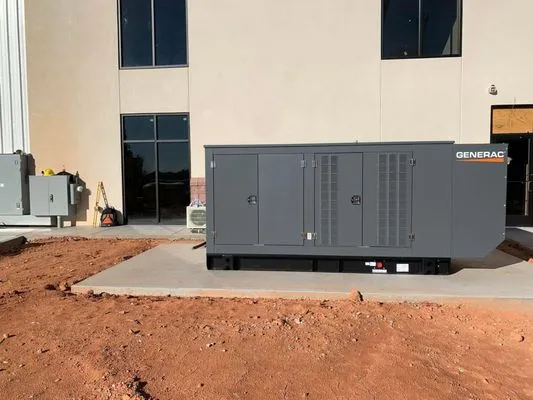
Winter temperatures dropping to 24°F bring ice accumulation on overhead lines that can cause outages, while summer AC peaks strain the grid and may lead to brownouts. For ice storms, ensure your generator transfer switch is properly installed and tested beforehand—never backfeed through dryer outlets. During summer peaks, consider load management strategies like staggering high-draw appliance use. Whole-house surge protection helps guard against voltage fluctuations during brownouts. These preparations protect both your family's comfort and your electrical system's longevity through our seasonal extremes.
Does the rolling terrain near Mineral Spring Park affect my home's electrical reliability?
The rolling Piedmont plateau terrain around Mineral Spring Park can influence electrical performance in several ways. Elevation changes may affect grounding electrode resistance, particularly in rocky soil conditions, requiring proper ground rod installation and testing. Tree canopy interference with overhead lines is common in these wooded areas, potentially causing flickering or minor outages during high winds. Additionally, water drainage patterns across slopes could impact underground service entries if not properly sealed. A site-specific assessment accounts for these terrain factors when evaluating your system's health.
What permits and codes apply to electrical work in Anderson County, and who handles the paperwork?
All electrical work in Anderson County requires permits from the Building and Codes Department and must comply with NEC 2020, adopted by South Carolina. As a licensed master electrician, I handle the entire permit process—application, inspections, and final approval—so you don't need to navigate the red tape. Our license through the South Carolina Department of Labor, Licensing and Regulation ensures we meet state competency requirements. This compliance isn't just bureaucratic; it ensures your installation meets current safety standards for fire prevention, shock protection, and system reliability.
Why do my lights flicker during storms, and could Duke Energy's grid surges damage my smart home devices?
Flickering lights during storms often indicate grid instability or lightning-induced surges on overhead lines. Williamston's location in the Piedmont plateau experiences high lightning activity, which Duke Energy's infrastructure must manage. These surges can absolutely damage modern electronics—smart thermostats, computers, and entertainment systems contain sensitive microchips vulnerable to voltage spikes. Whole-house surge protection installed at your main panel provides the first line of defense, supplemented by point-of-use protectors for valuable equipment. This layered approach is particularly important given our region's surge risk profile.
Why does my 55-year-old Downtown Williamston home with original NM-B Romex wiring keep tripping breakers when I run multiple appliances?
Your electrical system dates to 1971, which means it was designed for a different era of household demands. NM-B Romex from that period typically uses 14-gauge wire for 15-amp circuits, which struggles with modern 2026 appliances like air fryers, gaming systems, and multiple charging stations drawing simultaneous power. Many Downtown Williamston homes with original wiring face this capacity mismatch, leading to overloaded circuits, nuisance tripping, and potential overheating. Upgrading to 12-gauge wiring on 20-amp circuits or adding dedicated circuits for high-draw appliances can resolve these issues safely.
