Top Emergency Electricians in Taylors, SC, 29609 | Compare & Call
There are 192 electrician companies server in Taylors SC

County Electric Supply is a trusted electrical contractor serving Greenville, SC, and the surrounding areas. We specialize in thorough electrical inspections to identify and correct common local wirin...
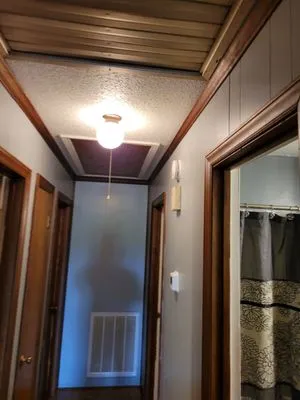
Professional Contractors is a locally owned electrical service provider in Inman, SC, operated by Ross Shinkar with six years of hands-on experience. Specializing in residential electrical work, they ...

Cluney Electric is a trusted, locally-owned electrical contractor serving Spartanburg and the surrounding Upstate. We specialize in comprehensive electrical solutions for homes, addressing common regi...
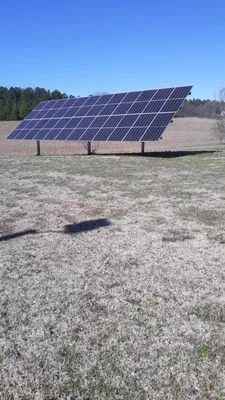
DJ's Electric is a licensed and insured electrical contractor serving Pickens, SC, and the Carolinas, specializing in both traditional electrical work and renewable energy solutions. With a focus on s...
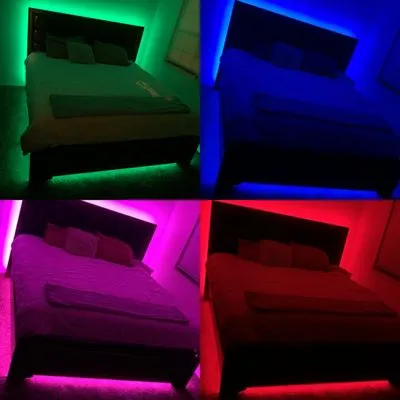
Action Lights & More is your trusted local specialist for electrical, drywall, and TV mounting services in Greenville and across the Upstate. We understand that home projects, from a simple outlet rep...

Thrasher's Heating & Air
Thrasher's Heating & Air is a trusted, family-owned HVAC and electrical contractor serving Pelzer and the Upstate since 2004. Founded by Tony and Cynthia Thrasher, the company was built on a foundatio...
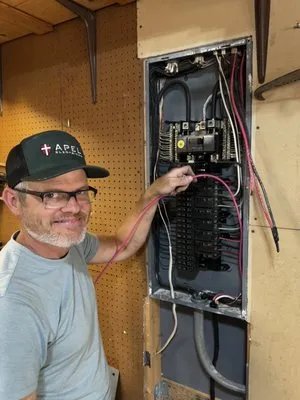
Apel Electrical is a family-owned and operated electrical company serving Simpsonville, SC, and the surrounding communities. We provide friendly, professional electrical services for both homes and bu...
Odinson Electric
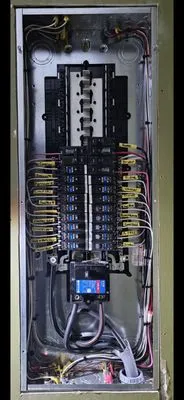
Odinson Electric is a locally owned, family-operated electrical service in Simpsonville, SC, founded by TJ Maddock, a Residential Builder’s Electrical Designation Licensed Master Electrician with two ...
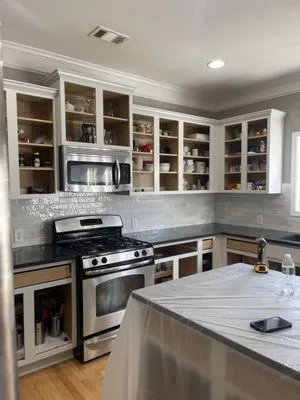
C&K Renovation is a trusted, full-service contractor serving Greenville homeowners and businesses. We simplify home projects by providing a single, reliable team for electrical, plumbing, and painting...
Carolina Circuit Masters is a family-owned electrical service provider serving Greer, SC, and the surrounding communities. We understand the unique electrical needs of local homes, from common issues ...
Estimated Electrical Service Costs in Taylors, SC
Frequently Asked Questions
How should I prepare my Taylors home's electrical system for summer brownouts or winter ice storms?
Summer AC peaks strain the grid and can cause brownouts, while winter lows near 24°F bring ice that can down power lines. For brownouts, installing a whole-house surge protector is critical to guard against voltage fluctuations. For extended outages, a properly installed generator transfer switch provides safe backup power. We ensure all installations meet current code to handle these seasonal extremes.
The power is out and I smell burning from an outlet. How fast can an electrician get here?
For an emergency like a burning smell, which indicates active overheating, we dispatch immediately. From our starting point near Taylors Town Square, we use US-29 for the fastest route into your neighborhood, typically arriving within 5-10 minutes. The priority is to safely disconnect power to the affected circuit and prevent a potential fire before restoring your service.
My lights in Taylors flicker whenever my AC kicks on. Is this a problem with Duke Energy or my house?
Flickering under load usually points to a loose connection in your home's wiring, often at the main service lugs or a circuit breaker. However, given the high lightning and surge risk in our area from Duke Energy's overhead grid, it can also indicate deteriorating utility connections or inadequate whole-house surge protection. We diagnose both to protect your sensitive electronics from damaging voltage spikes.
Does the rolling foothill terrain around Taylors Town Square affect my home's electrical grounding?
Yes, the rocky, rolling foothill soil common here can challenge your grounding electrode system. Proper grounding requires low-resistance contact with the earth, which rocky terrain inhibits. We test your ground rods and often need to install additional electrodes or use chemical enhancements to achieve a safe, effective ground, crucial for surge protection and overall system stability.
I have an old 150-amp panel and want to add an EV charger. Is my 1981 home's electrical system capable?
A 150-amp service from 1981 often lacks the spare capacity for a Level 2 EV charger or a new heat pump, especially if the panel is a recalled Federal Pacific brand, which is a known fire risk and must be replaced. We first perform a full load calculation to see if your service can handle the addition. In many cases, an upgrade to a 200-amp panel with modern AFCI breakers is necessary for safe, code-compliant EV charger installation.
I need major electrical work done. What permits from Greenville County are required, and are you licensed?
All major work like panel upgrades or new circuits requires a permit from Greenville County Codes Enforcement, which we pull as the licensed contractor. We are fully licensed and insured by the South Carolina Department of Labor, Licensing and Regulation, and all our work complies with the NEC 2023, which is enforced locally. Handling this red tape is part of our service, ensuring your project is legal, safe, and insurable.
I see overhead lines running to my mast. What are the main maintenance concerns for this setup in Taylors?
Overhead service masts are common here and are vulnerable to weather and tree damage. We inspect the mast head, conduit, and weatherhead for corrosion or physical damage from wind and ice. The connections at the mast and where the service entrance cables meet your meter panel are also critical points that can loosen over time, potentially causing arcing or power loss.
My Taylors home was built in 1981. Are my original Romex wires safe for all my new appliances?
Your electrical system is now 45 years old. Homes in the Greer-Taylors Corridor built around that time were wired with NM-B Romex, which was adequate for the era. Modern 2026 appliance loads, especially in kitchens and laundry rooms, can strain that original 14-gauge wiring, leading to overheating on circuits that were never designed for simultaneous high-draw devices. It's a common issue we evaluate to prevent overloads before they become a fire hazard.
