Top Emergency Electricians in Olympia, SC, 29201 | Compare & Call

There are 114 electrician companies server in Olympia SC
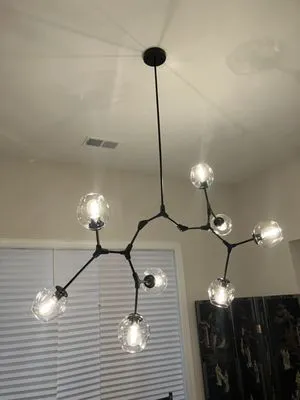
Honey Do Electrical is your trusted, local electrician serving Morrow, GA, and the surrounding communities. We specialize in diagnosing and fixing the common electrical problems homeowners face, like ...
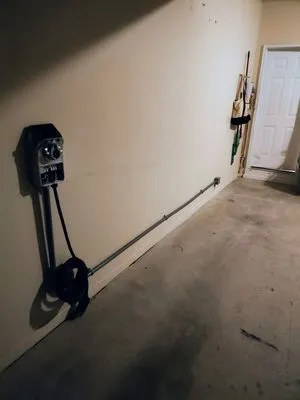
G Star Electrical Services provides reliable electrical solutions for Augusta, GA residents and businesses. With over 20 years of experience across residential, commercial, and industrial projects, we...
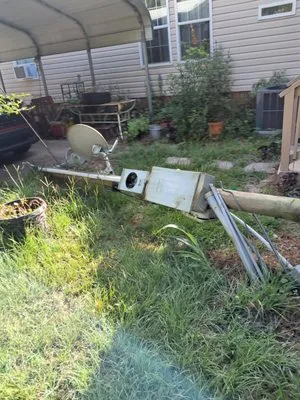
Truman Group is a veteran-owned and locally operated electrical service based in Columbia, SC. Founded by a U.S. Navy veteran, we bring a disciplined, detail-oriented approach to every job, from routi...
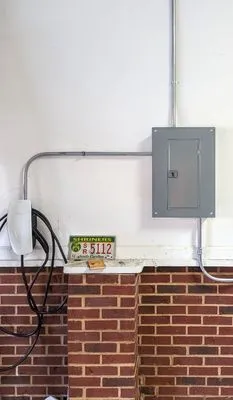
Roisin Electric is a family-owned electrical business in Lexington, SC, founded by Master Electrician and USMC Combat Veteran Kenneth Bailey. With over 12 years of professional experience, Kenneth car...
ESW Electric is a locally owned and operated electrical service provider in Columbia, SC, founded in 2024. Despite being a new business, the owner brings over 5 years of hands-on experience, supplemen...
MGC Electric, LLC is a family-owned and operated electrical contractor serving Columbia, SC, and the surrounding communities. As a locally licensed business, we provide dependable and detail-oriented ...
Easy Electrical Solutions LLC was founded in 2008 by Dennis, a local electrician dedicated to serving the Columbia community. From the start, the focus has been on reliable, code-compliant electrical ...
The One in Columbia, SC is your trusted local partner for general contracting, plumbing, and electrical services. As a single-source provider, we bring experienced, licensed professionals to handle ev...

Sunrise Electric is a licensed and insured electrical service provider serving Columbia, SC, and surrounding areas since 2017. Under the leadership of Director Johnny Elrod, who brings over two decade...
R.A.M Electric, proudly serving Lexington and the Midlands since 2003, is a locally-owned contracting business built on reliability and trust. Founded and operated by Robert Melton, the company mainta...
Estimated Electrical Service Costs in Olympia, SC
Questions and Answers
How should I prepare my Olympia home's electrical system for ice storms in winter and brownouts in summer?
For winter ice storms that can bring down power lines, consider a professionally installed generator with a proper transfer switch to keep essentials running. For summer brownouts when grid demand peaks, ensure your air conditioning system is on a dedicated, properly sized circuit to prevent overloads. In both scenarios, whole-house surge protection is advisable to guard against voltage fluctuations when power is restored.
I've lost all power and smell something burning near my panel. How fast can an electrician get to my house near the Olympia Mill?
Dispatch a Master Electrician immediately for a burning smell, as it indicates an active electrical fire hazard. From a starting point near the Olympia Mill, we can typically be on-site within 10 to 15 minutes via I-77. Our priority is your safety: we will secure the hazard, diagnose the fault—often a failing connection or overloaded circuit—and make the area safe before any restoration work begins.
My smart devices keep resetting after lightning storms. Does Dominion Energy's grid cause power surges in Olympia?
The Dominion Energy grid in our region experiences high surge risk, particularly from frequent summer lightning. These transient voltage spikes can easily bypass basic power strips and damage sensitive electronics like TVs, computers, and smart home hubs. Installing a whole-house surge protector at your main panel is a critical defense, providing a robust first line of protection that outlet strips alone cannot match.
I have a 60-amp Federal Pacific panel in my 1959 Olympia home. Can I add a Level 2 EV charger or a heat pump?
Adding major loads like an EV charger or heat pump to your existing system is not safe or feasible. A Federal Pacific panel is a known fire hazard due to faulty breakers that can fail to trip. Furthermore, a 60-amp service is grossly inadequate for modern home demands, let alone adding a 30-50 amp car charger. A full service upgrade to a 200-amp panel with modern, code-compliant breakers is the necessary first step.
My power comes from an overhead line to a mast on my roof. What are the common issues with this setup in Olympia?
Overhead service masts are standard here, but they present specific vulnerabilities. Storm damage from falling limbs can rip the masthead or service drop wires from your house. Over time, weather seals can degrade, allowing moisture into your panel. We also see mast conduits that are undersized for modern service cable, requiring replacement during an upgrade. Regular inspection of the mast, weatherhead, and the point where wires enter your home is recommended.
What permits and codes are involved in upgrading my electrical panel in Olympia, SC?
Any service upgrade in the City of Columbia requires a permit from the Building Official and a final inspection to ensure compliance with the 2020 National Electrical Code. The work must be performed by a licensed electrician, as mandated by the South Carolina Department of Labor, Licensing and Regulation. As your Master Electrician, I handle all permit paperwork, scheduling, and ensure the installation passes inspection, so you don't have to navigate the red tape.
My lights dim when the air conditioner kicks on in my Olympia home. Is this because of old wiring?
Your 67-year-old electrical system is the likely culprit. Homes built around 1959 in Olympia often have original cloth-jacketed copper wiring, which wasn't designed for the cumulative load of modern appliances like large refrigerators, computers, and central air. The system's capacity and integrity degrade over decades, leading to voltage drop—visible as dimming lights—which stresses equipment and creates a fire risk.
We have rocky, rolling soil near the Olympia Mill. Could that affect my home's electrical grounding?
Yes, the rocky Piedmont terrain common around Olympia can significantly challenge a proper grounding electrode system. Driving ground rods deep enough to achieve a low-resistance connection to earth is often difficult, which compromises the safety path for fault currents. We may need to use alternative methods, like a concrete-encased electrode (Ufer ground), to ensure your electrical system has a reliable and code-compliant earth connection.
