Top Emergency Electricians in Andrews, SC, 29510 | Compare & Call

There are 47 electrician companies server in Andrews SC
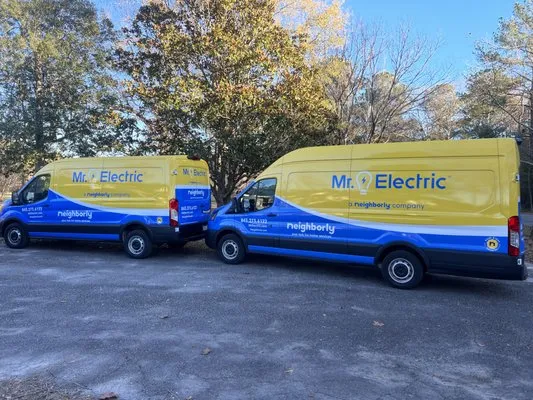
Mr. Electric of Charleston, SC
Mr. Electric of Charleston, SC is your locally-owned and operated electrical service provider in Summerville. Established in 1994, we provide reliable residential and commercial electrical installatio...
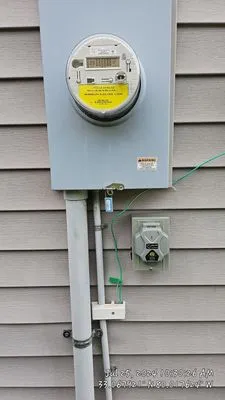
Powerful Electrical
At Powerful Electrical, we believe a truly rewarding career is built on trust and safety. As the owner, my greatest satisfaction comes from knowing the families and businesses we serve in Charleston c...

Jacobsen Electric is a locally owned, licensed, and insured electrical company serving the Charleston area with comprehensive residential and commercial services. We specialize in a wide range of elec...
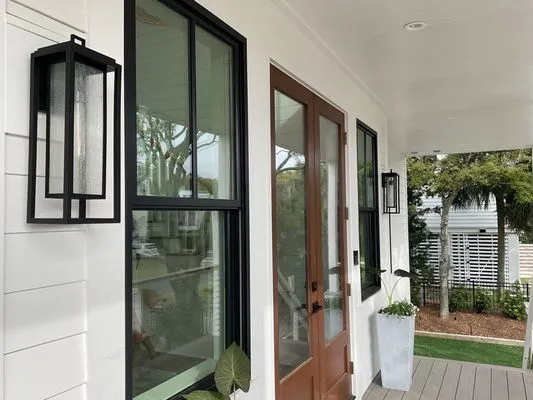
Coastal Electricians in Mount Pleasant provides reliable, licensed residential electrical services for homeowners. We focus on safety, code compliance, and practical solutions for the local community,...
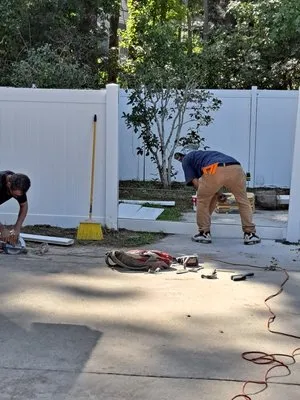
Miller Electric and Remodeling
Miller Electric and Remodeling is a Summerville-based contractor with over a decade of construction experience, operating under its current name for three years. As a licensed and insured electrician ...
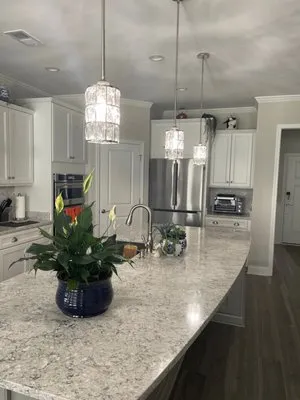
Aydlette Electrical Services
Aydlette Electrical Services is a locally owned and operated business serving North Charleston and the surrounding Lowcountry. Owner Ryan Aydlette is a Charleston native who began his electrical caree...
R&B Industrial Services
R&B Industrial Services is a trusted, locally-owned electrical and appliance repair company serving North Charleston and the surrounding Lowcountry. We specialize in a comprehensive range of services,...

Joe's Electrical Services is a Charleston-based electrical contractor built on a lifetime of hands-on experience. Since starting in the trade at 16, owner Joe has developed a comprehensive skill set a...
Francis Electric has been a trusted residential electrician serving Summerville, SC, and the surrounding Lowcountry for over 28 years. Founded with a vision to provide reliable, high-quality electrica...
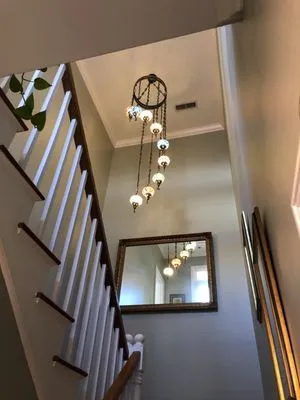
Sandlin Electrical, serving Goose Creek and the Charleston tri-county area, is a locally owned and operated electrical contractor founded in 2015 by licensed electrician Michael Sandlin. With over two...
Estimated Electrical Service Costs in Andrews, SC
Common Questions
How can I prepare my Andrews home's electrical system for summer brownouts or an ice storm?
Coastal South Carolina summers strain the grid with AC use, while winter ice can bring down lines. For brownouts, a whole-house surge protector safeguards electronics from the dirty power that often accompanies low voltage. For extended outages, a properly installed generator with a transfer switch is the safest backup. Never use a portable generator plugged directly into a household outlet, as it can backfeed and electrocute utility workers.
I smell something burning from an outlet in my house. How fast can an electrician get here to Downtown Andrews?
Treat a burning smell as an immediate fire hazard and shut off power to that circuit at your panel. For emergencies like this, we dispatch from near the Andrews Town Hall and can typically be on-site in Downtown Andrews within 3 to 5 minutes via US-521. That rapid response is critical to prevent a smoldering connection inside your wall from escalating into a major electrical fire.
My 1983 home in Downtown Andrews has original wiring. Why do my lights dim when the microwave and fridge run at the same time?
Your home's electrical system is over 40 years old, which is a significant age for wiring. The NM-B Romex cables installed in 1983 were designed for a different era of appliance loads. Modern 2026 demands, with multiple high-draw devices, can overload those original 15-amp and 20-amp circuits, causing voltage drops that appear as dimming lights. This is a common capacity issue in our neighborhood, signaling it's time for a professional load calculation and likely circuit upgrades.
My smart TV and modem keep getting fried during storms. Is this a problem with Santee Electric's grid?
While the utility provides power, the Santee Electric Cooperative grid in our flat coastal plain is highly exposed to frequent lightning strikes, creating a high surge risk. These voltage spikes travel into your home and can destroy sensitive electronics. The solution isn't just a simple power strip; it requires a whole-house surge protector installed at your main panel to clamp these surges before they reach your devices.
What's involved in getting a permit for an electrical upgrade from the Georgetown County office?
Any significant work, like a panel replacement or new circuit run, requires a permit from the Georgetown County Building Department. As a Master Electrician licensed by the SC Department of Labor, Licensing and Regulation, I handle the entire process. This ensures the work is inspected and complies with the current NEC 2020 code, which is your guarantee of safety and protects your home's value. Trying to bypass permits risks failing a future home sale and voids insurance coverage for any related faults.
We have very flat, damp soil here near Town Hall. Could that be affecting my home's electricity?
Yes, the flat, moist coastal plain soil directly impacts your grounding system. Proper grounding requires low-resistance contact with the earth to safely shunt fault currents. Damp soil is generally good, but if your grounding electrodes are original from 1983, they may be corroded or insufficient. We test ground resistance to ensure your system can handle a lightning strike or internal fault, which is vital for safety and surge protection.
My power comes in on an overhead line to a mast on my roof. What should I watch for with this setup?
Overhead service masts are common here but are vulnerable points. Regularly inspect where the utility drop connects to your mast for weathering or damage, especially after storms. The mast itself must be securely anchored to your home's structure; a loose mast can strain the incoming wires. Also, ensure tree branches are cleared well back from the service drop to prevent interference and damage during high winds.
I have an old 100-amp panel and want to add a heat pump. Is my current system safe and sufficient?
A 100-amp service from 1983 is often at its limit in a modern home. This is especially true if your panel is a Federal Pacific brand, which are known for faulty breakers that fail to trip during overloads—a serious fire risk. Adding a heat pump's sustained high load requires a dedicated circuit and likely a service upgrade to 200 amps. We must first evaluate your panel's brand and condition for safety before any new installation.
