Top Emergency Electricians in Little Compton, RI, 02801 | Compare & Call
There are 71 electrician companies server in Little Compton RI
Premier Electrical Services
Premier Electrical Services is a trusted, full-service electrical contractor serving North Providence homeowners. We specialize in addressing the unique electrical challenges common to our coastal Rho...
Burke Electric
Burke Electric is a licensed, veteran-owned electrical contractor serving Exeter, Rhode Island, and the surrounding communities. We specialize in comprehensive residential and light commercial electri...
NPG Pros
NPG Pros is a licensed electrical contracting company serving Pawtucket and the surrounding area with over two decades of experience. Founded on reliability and expertise, we provide comprehensive ele...
Romano Electric is a trusted, full-service electrical contractor serving Warren, RI, and the surrounding communities. We specialize in addressing the common electrical challenges faced by local homeow...

Ocean State Electric, LLC is a licensed electrical contractor proudly serving Johnston, Rhode Island, and the surrounding communities. With over 12 years of extensive industry experience, our team of ...
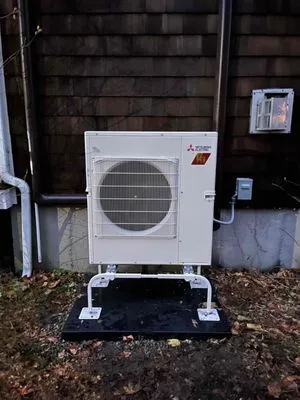
Superior Comfort
Superior Comfort is a trusted HVAC, plumbing, and electrical service provider serving Bristol, RI, and the surrounding East Bay communities since 2005. Founded with a focus on heating and cooling, we'...

Norpahelectric is a trusted electrical and security services provider for the Central Falls community. Founded on the principle of exceptional customer care, we approach every project—from residential...
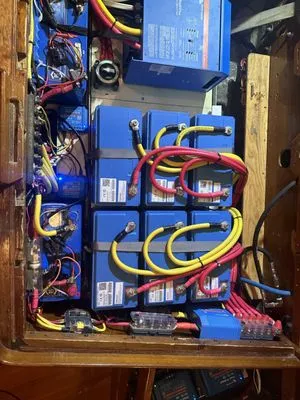
RI Marine Electrical & Electronics is Tiverton's trusted expert for marine and residential electrical solutions. Serving boat owners and homeowners alike, we specialize in comprehensive boat repair an...
Chris Electric
Chris Electric is a trusted, licensed electrical contractor serving Newport, RI, and surrounding areas since 1982. With over four decades of experience, we provide reliable residential and commercial ...
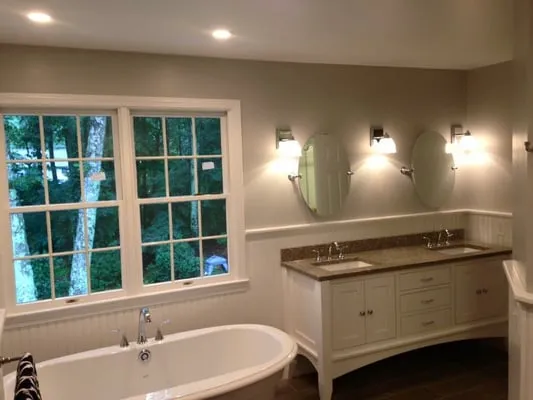
Sakonnet Electric is a trusted, full-service electrical contractor serving Bristol, RI, and the surrounding areas. Founded by a Master Electrician licensed in both Rhode Island and Massachusetts, the ...
Estimated Electrical Service Costs in Little Compton, RI
Q&A
Our smart lights flicker during storms. Is this a problem with our Rhode Island Energy service or our house wiring?
Coastal seasonal storms create a moderate surge risk on the Rhode Island Energy grid, which can cause flickering. However, flickering concentrated in specific circuits often points to loose connections in your home's aging wiring or an overloaded panel. Modern smart electronics are sensitive to these voltage fluctuations, so diagnosing the specific cause—grid or internal—is key to protecting your equipment.
We live on the flat coastal plain near the Wilbor House. Could the soil here affect our home's electrical grounding?
Yes, the sandy, moist soil of the coastal plain can accelerate corrosion on underground grounding electrodes like ground rods. Proper grounding is critical for safety and surge protection. An electrical inspection should verify your ground rod and its connection to the panel are intact and meet current NEC 2023 standards for low-resistance earth contact.
Our overhead service mast looks old. What should we check before the next big coastal storm hits?
Inspect the mast head and the conduit where it enters your house for rust, cracks, or loose hardware. Overhead lines are vulnerable in coastal storms. Ensure the mast is securely anchored to the structure; a loose mast can rip the service entrance cables during high winds, causing a dangerous power loss or fire hazard.
How can we prepare our Little Compton home's electrical system for winter ice storms and potential brownouts?
Winter heating surges and the potential for brownouts during a 12°F ice storm put immense strain on an older system. Installing a whole-house surge protector guards your electronics from grid fluctuations. For extended outages, a professionally installed generator interlock kit provides safe backup power, ensuring your sump pump and heat sources remain operational.
Do we need a permit from the Little Compton Building Department to replace our Federal Pacific panel?
Absolutely. Replacing a service panel always requires a permit from the Little Compton Building and Zoning Department and a final inspection. As a Master Electrician licensed by the Rhode Island Department of Labor and Training, I handle all NEC 2023 compliance and permit paperwork, ensuring the work is legal, safe, and properly documented for insurance and future home sales.
There's a burning smell from our outlet and the power went out. How fast can an electrician get to us in Little Compton?
For an emergency like that, we dispatch immediately. From our starting point near the Wilbor House Museum, we take RI-77 directly to your neighborhood, typically arriving within 5 to 8 minutes. Your first priority is safety: if you smell burning, shut off the breaker for that circuit at the main panel if you can do so safely, and avoid using the outlet.
We have an old Federal Pacific panel and want to add a Level 2 EV charger. Is our 100-amp service from 1971 safe enough?
No, it is not safe. A Federal Pacific panel is a known fire hazard due to faulty breakers that can fail to trip during an overload. Adding a Level 2 EV charger or a modern heat pump to this 100-amp system would dangerously overload it. A full service upgrade to at least 200 amps and a panel replacement are mandatory first steps for safety and capacity.
Our 1971 Little Compton Commons home has original NM-B Romex wiring. Why do the lights dim when we use the microwave and space heater together?
Your electrical system is now 55 years old, and that original NM-B Romex was designed for a much lower appliance load than a modern 2026 household demands. It's a common struggle in the Commons as families add more electronics, high-wattage appliances, and kitchen gadgets. The 100-amp panel and wiring circuits from that era simply weren't sized to handle simultaneous high-demand loads, which causes voltage drops and creates a fire risk.
