Top Emergency Electricians in Texas, PA, 18428 | Compare & Call

There are 164 electrician companies server in Texas PA
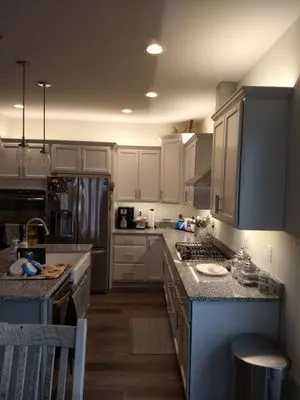
James Morrow Electrician is a trusted, locally-owned electrical and handyman service based in Denver, PA, with over 40 years of experience. As a licensed electrician and one-man operation for the past...
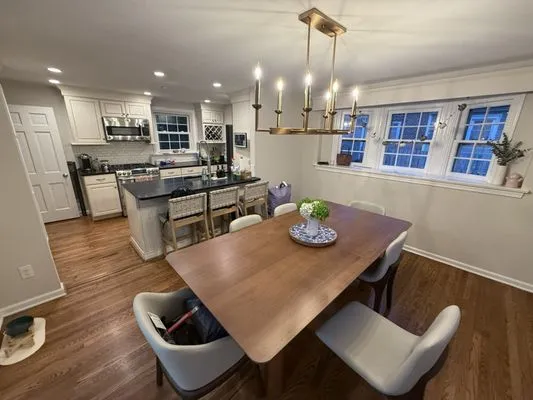
Reamco Electric
Reamco Electric is a family-owned electrical service company in New Holland, PA, built on a multi-generational legacy of quality craftsmanship. Founded on the principle passed down from their grandfat...
One Worth Service is a Philadelphia-based general contractor, electrician, and plumbing specialist dedicated to improving homes and businesses throughout the city. Our team handles a comprehensive ran...
Ryland Services is a trusted home services provider based in Creekside, PA, dedicated to serving the local community's HVAC, plumbing, and electrical needs. Our mission is to provide reliable maintena...
Wentzel Electrical Services
Founded on the belief that a name should mean something, Wentzel Electrical Services is a locally owned and operated electrical contractor serving Fleetwood and the surrounding communities. Owner-oper...
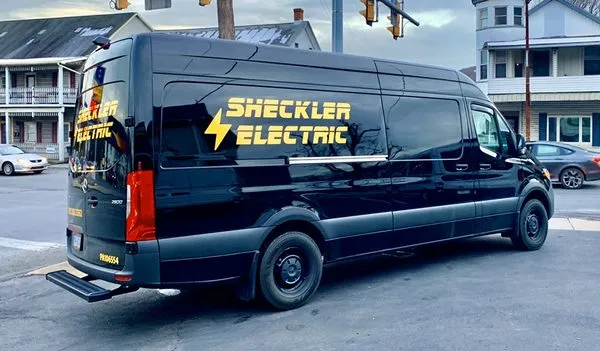
Sheckler Electric is a family-owned electrical service business based in Lehighton, PA, with deep roots in the local community. Founded in 1980 by Leroy Sheckler in the Slatington/Schnecksville area, ...
My journey into fixing things started early, right in the basement of my Kunkletown childhood home. At 11, I rigged up a new outlet, promptly blowing the main fuse—a safe but memorable lesson that spa...
Lynn's Handyman Services is your trusted, local home repair expert serving Tamaqua, PA, and the surrounding communities. We provide reliable solutions for a wide range of household needs, from applian...
Forbes Electric brings over 30 years of electrical expertise to every job in Pottsville. Owner Harvey started his career with an 8,000-hour industrial apprenticeship before moving into electrical cons...

Aton Electrical Services
Aton Electrical Services is a family-operated electrical contracting business serving East Stroudsburg and the Pocono Mountains area. Founded by Anton, who brings 14 years of experience from working i...
Estimated Electrical Service Costs in Texas, PA
Questions and Answers
Who responds fastest if I lose all power or smell something burning in my Texas home?
For a total outage or burning odor, call 911 first, then your electrician. From our dispatch near the Texas Township Municipal Building, we can typically be en route via US-6 within that critical 8–12 minute window to assess the emergency on-site. Always treat a burning smell from an outlet or panel as an urgent fire risk and evacuate if necessary.
We have overhead lines coming to our house. Does that make our power less reliable than homes with underground service?
Overhead service, common in Texas, is more exposed to weather, trees, and animals, which can lead to more frequent momentary outages. However, the key reliability factor is the health of your internal wiring and panel. An overhead mast provides a clear point for a professional to inspect for weather damage or improper connections, which is a standard part of our service evaluation.
How can I prepare my Texas home's electrical system for winter ice storms and potential brownouts?
Winter heating surges strain an older grid. Ensure your heating system is professionally serviced and consider a hardwired backup generator installed with a proper transfer switch. For ice storms, overhead lines are vulnerable; having surge protection in place is crucial for when power is restored. An electrical inspection can identify any weak points in your 1968-era system before the peak season hits.
If I upgrade my electrical panel, what permits are needed from Texas Township, and does the work have to be up to current code?
Yes, all panel upgrades require a permit from the Texas Township Building Code Department and final inspection. The work must comply with the 2023 National Electrical Code, which is enforced by Pennsylvania's Department of Labor and Industry. As a licensed Master Electrician, I handle the permit paperwork and ensure the installation meets all current safety standards, including AFCI protection for new circuits, which your 1968 system lacks.
Does living in the rolling hills and river valley near the Municipal Building affect my home's electrical grounding?
It can. The rocky and variable soil conditions common in this terrain can challenge the effectiveness of your grounding electrode system. Proper grounding is non-negotiable for safety and surge protection. We test ground resistance during an inspection to ensure your home has a low-impedance path to earth, which is especially important with the older cloth wiring still present in many Southside homes.
My smart TVs and computers keep getting minor surges. Is this a PPL grid issue or something in my house?
Seasonal thunderstorms in our region create a moderate surge risk on the PPL grid, which can certainly affect sensitive electronics. However, older homes often lack whole-house surge protection at the main panel. The first step is to have a whole-house surge protector installed on your service equipment. This provides a primary defense, which you should then supplement with point-of-use protectors for your most valuable devices.
Our lights flicker when the air conditioner kicks on in our Southside Texas home. Could our 1968 wiring be the culprit?
It's very likely. Your home's original cloth-jacketed copper wiring is now 58 years old. The insulation can become brittle and degrade over time, and the entire system was designed for far fewer appliances than a modern household uses. This age and material combination often can't handle the simultaneous load of 2026's high-draw devices, like AC units, leading to voltage drops that manifest as flickering lights—a clear sign of capacity strain.
I have a 100-amp panel and want to add a Level 2 EV charger. Is my old Federal Pacific panel safe for this upgrade?
No, it is not safe. A Federal Pacific panel is a recognized fire hazard due to faulty breakers that may fail to trip. Even if it weren't, a 100-amp service from 1968 is typically at capacity with today's basic loads. Adding a 30-50 amp EV charger circuit would require a full service upgrade to 200 amps and the mandatory replacement of that dangerous Federal Pacific panel before any new circuits can be added.
