Top Emergency Electricians in Phoenixville, PA, 19460 | Compare & Call

M.T. Ruhl Electrical Contracting
Power House Electric


Questions and Answers
What permits and codes are involved with a panel upgrade in Phoenixville Borough?
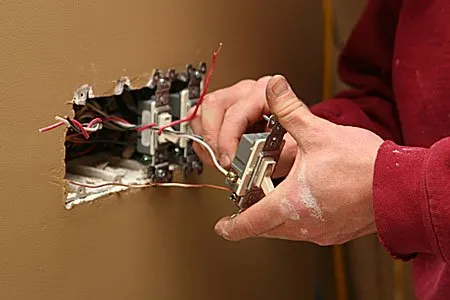
All electrical work requires a permit from the Phoenixville Borough Building and Codes Department and must comply with the 2023 National Electrical Code (NEC), which Pennsylvania has adopted. This ensures safety inspections for things like AFCI breaker requirements and proper grounding. As a licensed Master Electrician, I handle the permit paperwork and coordinate the inspection with the borough, ensuring full compliance with the Pennsylvania Department of Labor and Industry regulations. This protects your home and satisfies insurance requirements.
I smell burning from an outlet. How fast can an electrician get to my house near the Schuylkill River Trail?
Treat any burning smell as an urgent fire hazard. Disconnect power to that circuit at the breaker immediately. Our standard dispatch for Downtown Phoenixville emergencies puts a truck on the road within 15 minutes. Using PA-23, we can typically be at a home near the trailhead in under 8 minutes for a critical call like this.
My power comes from an overhead mast. What maintenance should I be aware of?
Overhead service masts, common here, require you to watch for weather damage. Inspect the mast head and the cable (service drop) leading from the pole after major storms for cracks, sagging, or tree limb interference. The mast is your responsibility from the weatherhead down. Any damage here can let water into your panel. Also, ensure the mast is properly secured to the house structure; a loose mast can strain connections and create a fire risk.
How should I prepare my home's electrical system for a summer brownout or an ice storm?
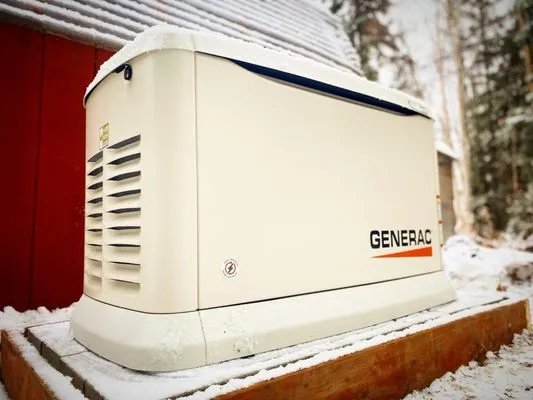
For summer peaks, ensure your air conditioner is on a dedicated, properly sized circuit to prevent overloads. For winter ice storms that can knock out PECO power for hours, consider a permanently installed generator with an automatic transfer switch. This keeps essential circuits like heat, refrigeration, and sump pumps running safely. Never use a portable generator indoors or by connecting it directly to your home's wiring without a proper transfer switch—it's a lethal backfeed hazard.
Does the hilly, rocky soil in the river valley affect my home's electrical grounding?
Yes, terrain matters. The rocky, often drier soil in Phoenixville's rolling hills can have higher electrical resistance, which compromises a grounding electrode's effectiveness. A poor ground means fault currents may not have a clear path to trip the breaker, and surge protection won't work properly. During a panel upgrade or inspection, we test ground rod resistance and may need to drive additional rods or use chemical treatments to achieve a solid, code-compliant ground.
My 1973 home in Downtown Phoenixville has original wiring. Why are my lights dimming when the microwave and AC run together?
That's a classic sign of overloaded circuits. Your home's 50-year-old electrical system, likely using original NM-B Romex cable, was designed for a different era. Modern appliances like air conditioners and microwaves draw significantly more current. A 100A service panel, standard for 1973, often lacks the spare capacity for these simultaneous 2026 loads, causing voltage drop and dimming lights. Upgrading to a 200A panel provides the necessary overhead.
My smart TVs and routers keep resetting during PECO thunderstorms. What's causing this?
Seasonal thunderstorms in our area create moderate surge risk on the PECO grid. These voltage spikes, often from nearby lightning strikes or transformer switching, are too fast for standard breakers to stop. They travel into your home and can damage sensitive electronics. Whole-house surge protection installed at your main service panel is the most effective defense, clamping these spikes before they reach your devices.
I have a 100-amp Federal Pacific panel. Can I safely add a Level 2 EV charger or a heat pump?
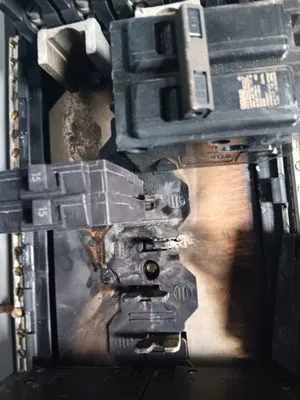
No, that combination poses a significant safety risk. Federal Pacific panels have a known failure rate where breakers may not trip during an overload, creating a serious fire hazard. Beyond that brand issue, a 100A service from 1973 lacks the capacity for a 30-50 amp EV charger or heat pump circuit. The first step is always a full panel replacement with a modern, UL-listed unit and a service upgrade to 200A to handle the new load.
