Top Emergency Electricians in McKeesport, PA, 15034 | Compare & Call

HohmRun Power
Questions and Answers
I smell something burning from my panel. How fast can an electrician get to my home in McKeesport?
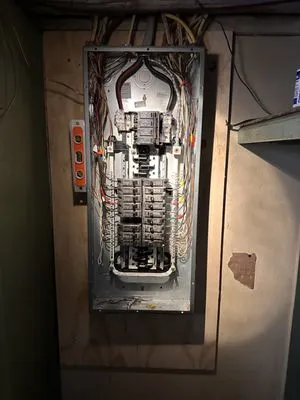
For an emergency like a burning smell, we dispatch immediately from our base near Renziehausen Park. Using PA-148, we can typically reach most Uptown addresses in 5 to 8 minutes. Your first action should be to turn off the main breaker at the panel if it is safe to do so, as this smell often indicates overheating wires or a failing breaker that needs immediate professional attention.
My power comes from an overhead mast. What are the common electrical issues with this setup in McKeesport?
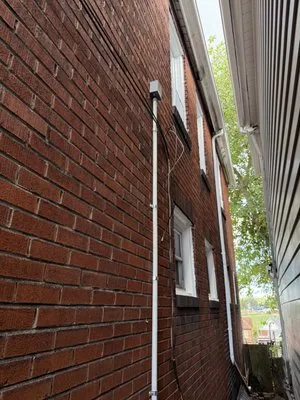
Overhead mast service, typical in McKeesport, exposes your electrical entrance to weather and falling tree limbs. The mast itself can loosen or corrode over decades, compromising the seal where the utility wires enter your home. We also frequently see outdated meter sockets that need replacement during a service upgrade. Ensuring this entire assembly is robust is key to reliable power, especially in our climate.
What permits and codes apply for a panel upgrade in McKeesport, and who handles that?
All electrical work in McKeesport requires a permit from the McKeesport Building Inspection Department and must comply with the 2023 National Electrical Code (NEC), which is Pennsylvania's standard. As a Master Electrician licensed by the Pennsylvania Department of Labor & Industry, I manage the entire permit process, including scheduling the required inspections, so you don't have to navigate the red tape.
I have a 60-amp panel from 1953. Can I install a Level 2 EV charger or a heat pump?
Your current 60A service cannot safely support a Level 2 EV charger or a modern heat pump. Both require a dedicated 240-volt circuit drawing 30-50 amps, which would consume most of your home's total capacity. Furthermore, if your panel is a Federal Pacific brand—common in homes of that age—it presents a critical safety hazard and must be replaced before adding any significant load. A full service upgrade to 200A is the necessary first step.
My McKeesport Uptown house was built in 1953 and lights dim when the AC kicks on. Is my old wiring the problem?
Your 73-year-old electrical system is struggling. Original cloth-jacketed copper wiring, common in Uptown McKeesport homes from that era, was designed for a few lamps and a refrigerator. Today's refrigerators, computers, and air conditioners draw far more power, which can overheat the old insulation. This creates a genuine fire risk and means your 60A service panel is likely overloaded for modern 2026 living standards.
My smart lights and TV flicker during Duquesne Light thunderstorms. Is my house protected?
Flickering during seasonal thunderstorms indicates your home is experiencing grid surges. The Duquesne Light infrastructure is subject to moderate surge risk, which can damage sensitive smart home electronics. A whole-house surge protector installed at your main panel is the most effective defense, as it absorbs the spike before it reaches your outlets. This is a critical upgrade beyond just using power strips.
Does living on a steep hillside near Renziehausen Park affect my home's electrical system?
The steep river valley terrain common near Renziehausen Park can impact electrical health in a few ways. Rocky, sloped soil can make installing proper grounding electrodes more challenging, which is vital for safety. Additionally, heavy tree canopy on these hillsides can cause interference with overhead service lines during storms, leading to flickering or faults that require utility attention.
How should I prepare my McKeesport home's electrical system for ice storms and summer brownouts?
Preparing for our 5°F winter lows and summer AC peaks involves two key steps. For ice storms that cause prolonged outages, a professionally installed generator with a transfer switch is the safest solution. For summer brownouts, which cause voltage drops, a whole-house surge protector will guard your appliances from the damage caused when power snaps back on.
