Top Emergency Electricians in Granville Township, PA, 17029 | Compare & Call

There are 123 electrician companies server in Granville Township PA
TLM Electric
TLM Electric is a trusted, local electrical and technology contractor serving Bloomsburg and the surrounding communities. We specialize in providing safe, reliable, and modern solutions for homes and ...
American Home Repairs & Installations
American Home Repairs & Installations is a trusted, locally-owned home service provider serving East York, Pennsylvania. We specialize in HVAC, plumbing, and electrical work, focusing on reliable repa...

York Electrical Services
York Electrical Services is your trusted local electrician in York, PA, providing reliable electrical solutions for homes and businesses. With over 25 years of experience, our licensed team specialize...
Miller Electrical Services is a trusted local electrical contractor serving Marietta and Central Pennsylvania since 2014. Owned and operated by dedicated professionals, we provide reliable residential...
MDi Built
For over 34 years, MDi Built has been a trusted general contractor serving Bloomsburg and the surrounding Central Pennsylvania area. With nearly 2,000 completed projects, we operate as a true one-stop...
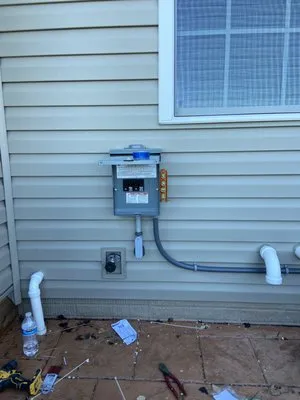
Hannon's Electrical is a family-owned electrical service provider that has been a reliable part of the Etters, PA community for over 35 years. The business is built on a foundation of providing honest...
Kevin's Electrical Service
Kevin's Electrical Service LLC has been Carlisle's trusted electrical contractor since 1986, founded by master electrician Kevin with over 35 years of hands-on experience. As a factory-certified Level...
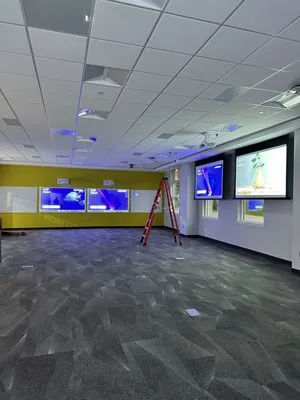
Bam Electric Lighting is a licensed and insured electrical contracting company proudly serving the Marysville community and surrounding areas across Pennsylvania and Maryland. We specialize in providi...
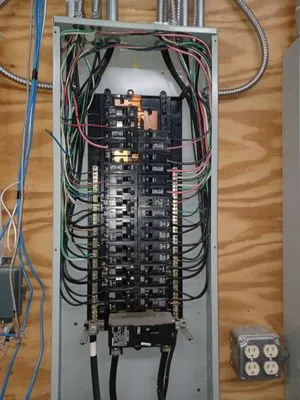
R&C Electric is a trusted, locally-owned electrical contractor serving Duncannon, PA, and the surrounding communities. Specializing in comprehensive electrical inspections, we help homeowners identify...

Charge Up Solutions is a trusted EV charging provider and electrical service company in Mount Holly Springs, PA. We bring a practical, expert approach to every project, whether it's installing a home ...
Estimated Electrical Service Costs in Granville Township, PA
Frequently Asked Questions
Do we need a permit from the township to replace our old Federal Pacific panel, and what code does it follow?
Yes, replacing a panel always requires a permit from the Granville Township Building Code Department. The work must comply with the current Pennsylvania-adopted NEC 2020, which includes updates for AFCI and GFCI protection. As a master electrician licensed by the Pennsylvania Department of Labor and Industry, I handle the permit application, inspections, and documentation to ensure your upgrade is fully legal and insurable.
Our power comes from an overhead line on a mast. What are the common failure points we should watch for?
Overhead mast service, standard for Granville Heights homes from the 1960s, has specific vulnerabilities. Inspect where the mast enters your roof for rust or sealant failure, which can lead to water in your panel. Check that the service drop wires are clear of tree branches. The weatherhead should be intact to prevent moisture ingress. Any sagging or damage to these components requires immediate professional attention.
We have an old 100-amp panel and want to add a heat pump. Is our 1968-era electrical system up to the task?
A 100-amp service from 1968 is typically insufficient for a new heat pump, which often requires a dedicated 30-50 amp circuit. More critically, we must inspect the panel brand. Many homes of that era in PA have recalled Federal Pacific Electric panels, which are a known fire hazard and must be replaced before adding any major load. A full service upgrade to 200 amps is the safe, modern solution.
Our Granville Heights home still has its original 1968 cloth wiring. Why do our lights dim when the refrigerator kicks on?
Your electrical system is now 58 years old, and cloth-jacketed copper wiring from that era was never designed for the sustained loads of modern kitchens and entertainment centers. These circuits lack the capacity for today's appliances, causing voltage drop that manifests as dimming lights. Upgrading to modern NM-B cable with proper grounding is often necessary to safely support 2026's electrical demands.
We live in a heavily wooded part of the township. Could the trees near our house be causing electrical issues?
Absolutely. The heavy Appalachian forest canopy common around Greenwood Park can cause several issues. Tree limbs contacting overhead service drops create faults and power flickers. Furthermore, root systems in rocky, rolling soil can disrupt your home's grounding electrode system, which is essential for safety. An annual inspection of your masthead, service drop clearance, and ground rod resistance is a wise practice.
How should we prepare our home's electrical system for a Granville Township ice storm and winter brownouts?
Winter peaks strain an older 100-amp service. Before a storm, ensure your furnace and sump pump circuits are on dedicated, healthy breakers. For extended outages, a permanently installed generator with a transfer switch is the safest backup. For brownouts, which are low-voltage events, consider an uninterruptible power supply (UPS) for critical devices, as they can damage motor-driven appliances like refrigerators.
We just lost all power and smell something burning. How fast can an electrician get to our house near Greenwood Park?
For an emergency like a burning smell, which indicates an active fault, we dispatch immediately. From our shop near Greenwood Park, we use US-522 for direct access to Granville Heights, with a typical arrival time of 8 to 12 minutes. Your first step should be to go to your main panel and shut off the power if it is safe to do so.
Our smart TVs and computers keep resetting during Penelec thunderstorms. Is this a grid problem or our wiring?
This is likely a combination. Penelec's overhead lines in our rolling valley are exposed to moderate surge risk from seasonal thunderstorms. While the grid is a factor, your 1968 home probably lacks whole-house surge protection at the main panel. Installing a Type 1 or Type 2 surge protective device (SPD) is a critical upgrade to defend sensitive electronics from both external strikes and internal surges.
