Top Emergency Electricians in Clifford, PA, 18407 | Compare & Call

There are 68 electrician companies server in Clifford PA
My journey into fixing things started early, right in the basement of my Kunkletown childhood home. At 11, I rigged up a new outlet, promptly blowing the main fuse—a safe but memorable lesson that spa...
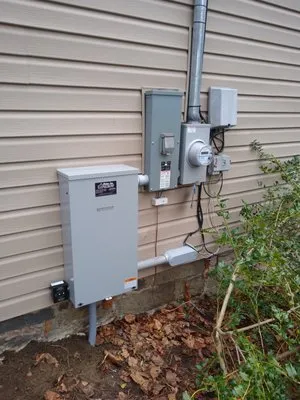
Rinker Inc.
Founded over 35 years ago by Ben Rinker, Rinker Inc. has grown from a sole proprietorship into a trusted, full-service electrical contracting company serving residential, commercial, and industrial cl...
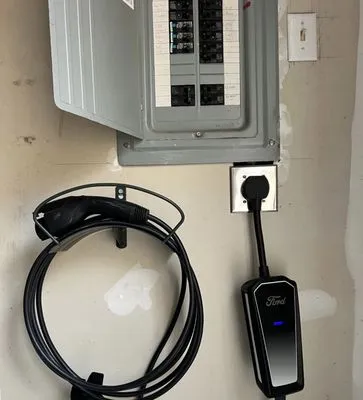
Dr. Watts Electric is a true Stroudsburg family business, built on a legacy of electrical expertise. Owner Keith learned the trade from his father, working side-by-side with him before carrying on the...
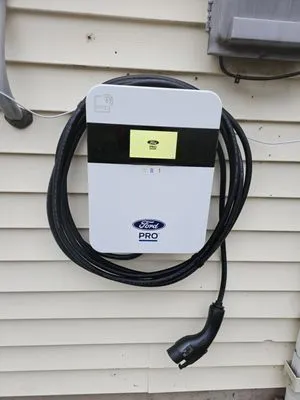
EV Charger Tech Pros
EV Charger Tech Pros is a locally owned and operated electrical contractor based in Lake Ariel, PA, dedicated to serving Wayne and Pike Counties. We specialize in providing reliable electrical solutio...
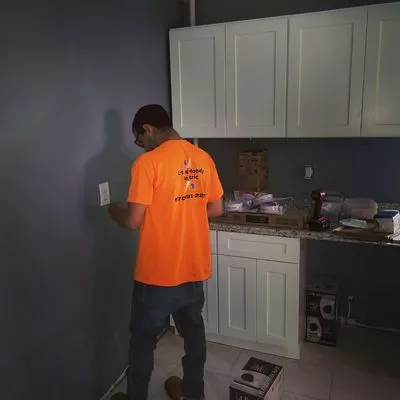
Lite N Handy Electric
Lite N Handy Electric was founded on over two decades of hands-on experience in the electrical trade. After thoroughly learning the business from the inside out, the owner decided to establish a compa...

Walker Family Electric is a trusted, licensed electrical service provider serving Clarks Summit and the surrounding communities. Established in 2023, we are a family-operated business built on the pri...

Gigawatts Electric is a trusted, locally-owned electrical service provider serving Jessup, PA, and the surrounding communities. We specialize in electric inspections, installations, replacements, and ...
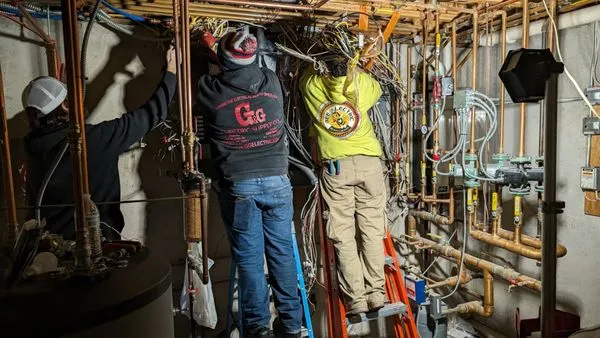
Bee-Lectric is your local, licensed master electrician serving Throop and all of Northeastern Pennsylvania. We provide expert electrical services for homes, businesses, and industrial projects, focusi...
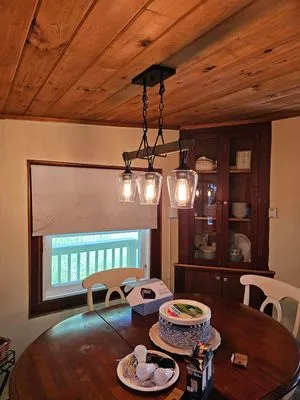
Philip Michael
Philip Michael Electrical & Lighting is a locally owned and operated electrical contractor proudly serving Greentown and the surrounding counties. For over 25 years, our team of trained Master Electri...
Chesla Electrical provides trusted residential and commercial electrical services to Pittston, PA, and the surrounding communities. As a locally-owned and licensed electrical contractor, we focus on r...
Estimated Electrical Service Costs in Clifford, PA
Questions and Answers
What should I know about overhead electrical service for my Clifford Township home?
Overhead service with a mast is common in our area. This setup brings power from the utility pole to your weatherhead, then down to your meter and panel. Key maintenance points include checking the mast for proper support (especially important with our winter ice loads), ensuring the weatherhead seals remain intact, and verifying the service drop clearance from trees and structures. Underground service would require trenching through rocky terrain, making overhead the more practical choice for most Clifford Township properties.
I smell something burning from my electrical panel in Clifford. How quickly can an electrician get here?
For burning smells, treat it as an emergency and call immediately. From the Clifford Volunteer Fire Company station, we can typically reach most Clifford Township homes within 5-8 minutes via PA-106. While en route, we'll advise you to shut off power at the main breaker if safe to do so. Electrical burning odors often indicate overheating connections or failing components that require prompt attention to prevent fire spread.
My smart home devices in Clifford keep resetting during thunderstorms. Is this a PPL Electric Utilities grid problem?
PPL's grid in our area experiences moderate surge risk during seasonal thunderstorms, which can affect sensitive electronics. While utility-side issues sometimes contribute, most smart device problems originate within your home's electrical system. Modern electronics require clean, stable power that older wiring and panels may not provide. Installing whole-house surge protection at your service entrance, combined with point-of-use protectors for critical devices, would shield your investment from both utility fluctuations and internal electrical events.
My Clifford Township Center home was built in 1971 and still has original NM-B Romex wiring. Why do my lights dim when I run the microwave and air conditioner together?
Your electrical system is 55 years old, which means it was designed for 1970s appliance loads. NM-B Romex from that era typically has 14-gauge wiring for 15-amp circuits, while modern kitchens and HVAC systems demand 20-amp circuits with 12-gauge wiring. Homes in Clifford Township Center with original wiring often struggle because today's appliances draw more current simultaneously, causing voltage drops that manifest as dimming lights. Upgrading key circuits to handle 2026 electrical demands would resolve this issue.
What permits and codes apply to electrical work in Clifford Township?
All electrical work here requires permits from the Clifford Township Building Code Department and must comply with NEC 2023, which Pennsylvania adopted statewide. The Pennsylvania Department of Labor and Industry licenses electricians and enforces these standards. As a master electrician, I handle the permit applications, inspections, and documentation to ensure your project meets all requirements. This compliance isn't just paperwork—it verifies the safety and quality of the installation for your protection.
We live on a rocky hillside near the Clifford Volunteer Fire Company. Could this affect our home's electrical grounding?
Rocky soil presents specific grounding challenges because it typically has higher resistance than loamy earth. Proper grounding requires low-resistance contact with soil to safely dissipate faults. On hillsides, additional grounding electrodes may be needed to achieve the 25-ohm maximum resistance specified by NEC. An electrician can perform soil resistance testing and install supplemental rods or plates to ensure your grounding system functions correctly, which is especially important for lightning protection in elevated locations.
How should I prepare my Clifford home's electrical system for winter ice storms and potential brownouts?
Winter temperatures here can drop to -5°F, creating heating surges that strain electrical systems. Start by having an electrician inspect your service mast, overhead connections, and panel for ice damage vulnerabilities. Consider installing a generator with proper transfer switch to maintain essential circuits during outages. Surge protection becomes particularly important as grid fluctuations increase during winter storms. These preparations help ensure your heating system remains operational when you need it most.
I have a 100-amp Federal Pacific panel in my 1971 Clifford home. Can I safely add a Level 2 EV charger or heat pump?
A Federal Pacific panel presents immediate safety concerns regardless of what you're adding—these panels have known failure rates with breakers that may not trip during overloads. Even if the panel were safe, your 100-amp service is inadequate for Level 2 EV charging (typically requiring 40-50 amps) plus a heat pump (30-50 amps) alongside existing household loads. You'd need a service upgrade to 200 amps with modern AFCI breakers to safely accommodate these additions while meeting current NEC requirements.
