Top Emergency Electricians in Annville, PA, 17003 | Compare & Call

There are 110 electrician companies server in Annville PA
James Morrow Electrician is a trusted, locally-owned electrical and handyman service based in Denver, PA, with over 40 years of experience. As a licensed electrician and one-man operation for the past...
Reamco Electric
Reamco Electric is a family-owned electrical service company in New Holland, PA, built on a multi-generational legacy of quality craftsmanship. Founded on the principle passed down from their grandfat...
Lowry Services
Lowry Services is a trusted, family-run home services company that has been serving Harleysville and Southeast Pennsylvania since 1980. Founded by Steve Lowry, who started with just a truck and grew t...
Amp'd Energy Solutions
Amp'd Energy Solutions is a fully licensed and insured electrical contractor serving the Bucks County and Lehigh Valley communities from its home base in Quakertown. The team specializes in a comprehe...

F&A Enterprises is your trusted local electrical expert serving Allentown, PA. We specialize in providing reliable, code-compliant electrical solutions for homes and businesses. Our team is skilled in...
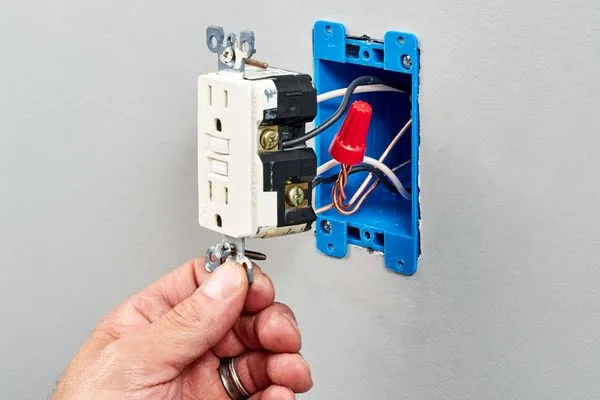
Lynn's Handyman Services is your trusted, local home repair expert serving Tamaqua, PA, and the surrounding communities. We provide reliable solutions for a wide range of household needs, from applian...
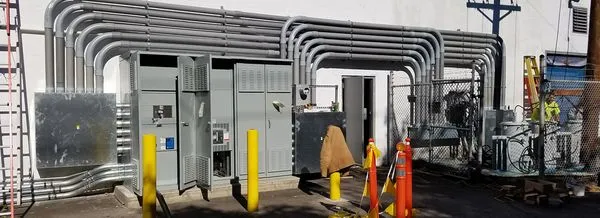
Forbes Electric brings over 30 years of electrical expertise to every job in Pottsville. Owner Harvey started his career with an 8,000-hour industrial apprenticeship before moving into electrical cons...
Blatt Mechanical is a trusted heating, air conditioning, and electrical contractor serving Douglassville, PA, and the surrounding communities. We specialize in comprehensive HVAC and electrical servic...
Haller Enterprises
Founded in 1981 by Rick Haller, Haller Enterprises has grown from a single van operation into a trusted local institution serving Lititz and the surrounding region. With a dedicated team of nearly 400...
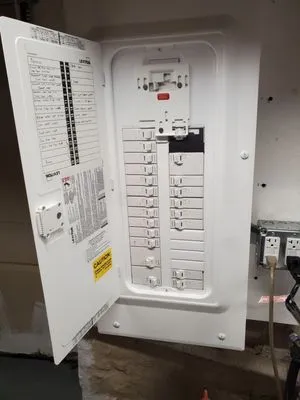
Austin Electric was founded in 2011 by Dave, whose journey in the electrical trade began as a fourteen-year-old apprentice. His passion for the work and for connecting with customers led him to establ...
Estimated Electrical Service Costs in Annville, PA
Questions and Answers
My smart devices keep resetting after thunderstorms. Is this a problem with Met-Ed's power or my house wiring?
While Met-Ed manages the grid, seasonal thunderstorms in our area create moderate surge risks that affect every home. Your smart devices are sensitive to even minor voltage fluctuations. The problem is usually a combination: grid-borne surges enter the home, and without proper whole-house surge protection at your main panel, those spikes travel through your internal wiring. Installing a Type 1 surge protection device at the service entrance is the most effective defense for your electronics.
Does the rolling farmland and valley terrain near Lebanon Valley College affect my home's electrical system?
The terrain can impact grounding and service reliability. Rocky or variable soil in rolling areas sometimes makes achieving a low-resistance grounding electrode system more challenging, which is vital for safety. Also, overhead lines running across open farmland are exposed to wind and ice, potentially causing more frequent, though usually brief, outages. We ensure grounding rods are driven to proper depth and check for voltage stability, especially in homes at the edge of the service area.
How can I prepare my Annville home's electrical system for winter ice storms and summer brownouts?
Preparation focuses on backup power and surge protection. For winter ice storms that can bring down lines, a professionally installed generator with a transfer switch keeps essential circuits live. Summer brownouts, caused by high AC demand, stress motors and compressors. A whole-house surge protector guards against the spikes when grid power flickers back on. Ensuring your panel and wiring are in good health is also critical, as aged systems are more vulnerable during these low-voltage events.
My power comes from an overhead mast on the side of my house. What should I know about maintaining this type of service?
Overhead mast service, common in Annville, requires attention to the weatherhead and mast where the utility's drop connects. Ensure tree branches are trimmed well back from the service drop to prevent abrasion and interference. The mast itself should be inspected for rust or loose fittings, as it carries the full weight of the incoming lines. Any sag in the service drop or damage to the weatherhead should be reported to Met-Ed immediately, as it poses a safety hazard.
My Annville Historic District home's lights dim when my coffee maker and microwave run together. Could the original 73-year-old cloth wiring be the problem?
That dimming is a classic sign of an overloaded electrical system. Homes built around 1953, like many in the Annville Historic District, were wired with cloth-jacketed copper for a lifestyle with far fewer appliances. A modern kitchen can easily demand more amperage than those original circuits were designed to carry, causing voltage drop and overheating at connections. Upgrading to new circuits with modern Romex and adding capacity at the panel is the standard, code-compliant fix.
I want to upgrade my electrical panel. What permits and codes do I need to follow in Annville Township?
All major electrical work in Annville Township requires a permit from the Building Code Department and must comply with the 2023 National Electrical Code (NEC), which Pennsylvania adopts. As a Master Electrician licensed by the Pennsylvania Department of Labor and Industry, I handle the permit application, scheduling inspections, and ensuring the installation meets all code requirements for clearances, AFCI protection, and load calculations. This process ensures your upgrade is documented, safe, and adds value to your property.
My home inspector said I have a Federal Pacific panel with only 60 amps. Can I safely add a heat pump or EV charger?
With a Federal Pacific panel and 60-amp service, adding a heat pump or Level 2 EV charger is not just difficult—it's a significant safety risk. Federal Pacific panels are known for faulty breakers that fail to trip during overloads, a major fire hazard. The 60-amp capacity is also grossly inadequate for those high-demand appliances. A full service upgrade to a modern 200-amp panel with listed breakers is the mandatory first step before any such installation can be considered.
I smell something burning from an outlet and lost power in my Annville home. How fast can an electrician get here?
For a burning smell and power loss, we treat it as an emergency and dispatch immediately. From our base near Lebanon Valley College, we can typically be at your door in Annville within 3 to 5 minutes using US-422. The first priority is to make the situation safe by identifying the overheated connection or failed device. After securing the hazard, we'll diagnose the root cause, which often involves outdated wiring or a failing breaker in these older systems.
