Top Emergency Electricians in Sylvania, OH, 43560 | Compare & Call

Cousino Electric
Northwest Electrical Contracting
Common Questions
My Old Sylvania home has overhead lines from a pole. What should I know about this service type?
Overhead service masts are common here. They are exposed to weather, tree limbs, and aging. The masthead where the utility lines connect is a frequent failure point after decades of thermal cycling. Any rust, damage, or a loose connection here can cause intermittent power loss or a fire hazard. A mast and service cable upgrade is often part of a full service panel replacement to ensure reliability.
Does the flat, suburban terrain around Somerville Park affect my home's electrical system?
The primary concern on flat plains is proper grounding. The water table and soil composition affect how well your grounding electrode system dissipates fault current, which is critical for safety. During trenching for any new circuit or service upgrade, we assess soil conditions to ensure grounding rods or plates meet NEC 2023 requirements for low resistance, keeping your system stable and safe.
I want to upgrade my electrical panel in Sylvania. What permits and codes are involved?
All major electrical work requires a permit from the Sylvania Building Department and a final inspection. As a Master Electrician licensed by the Ohio Department of Commerce, I handle that red tape. We design and install to the current NEC 2023 code, which mandates AFCI breakers for living areas and specific capacity calculations. This ensures your upgrade is documented, safe, and adds value to your home.
My 1959 home in Old Sylvania has original wiring and flickering lights. Is this an old wiring problem?
Yes, it's a capacity problem. Your 67-year-old cloth-jacketed copper wiring was designed for a few lights and an outlet per room, not 2026's demands of computers, large-screen TVs, and high-wattage appliances. The insulation becomes brittle with age, increasing fire and shock risk. Upgrading the wiring and your 100-amp service panel is the standard, code-compliant solution for modern electrical loads.
My smart home devices in Sylvania keep resetting after storms. Is this a Toledo Edison grid issue?
Seasonal thunderstorms on the flat plains create moderate surge risk on the overhead grid. While Toledo Edison manages the main lines, surges can travel into your home, damaging sensitive electronics. A whole-house surge protector installed at your main panel is the professional-grade defense, absorbing those spikes before they reach your computers, TVs, and smart home hubs.
How do I prepare my Sylvania home's electrical system for a severe ice storm or summer brownout?
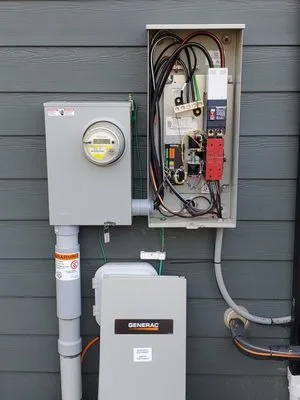
For winter, ensure your heating system is professionally serviced and consider a hardwired backup generator with an automatic transfer switch—portable generators require correct, safe hookup to avoid backfeed. For summer brownouts, a whole-house surge protector is critical, as power flickers during restoration can send damaging surges through your wiring. Managing your central AC load during peak hours also helps reduce strain.
I have a 100-amp Federal Pacific panel from 1959. Can I install a Level 2 EV charger or a heat pump?
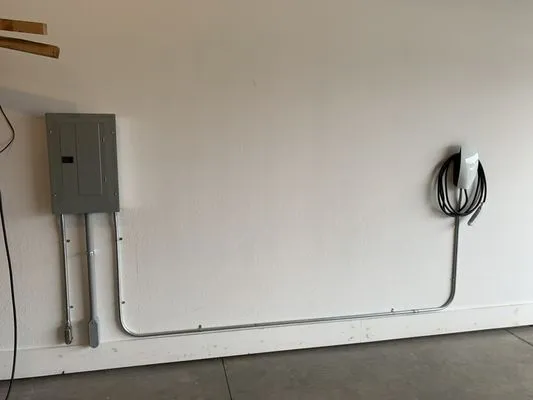
Not safely. Federal Pacific panels are a known fire hazard due to faulty breakers that can fail to trip during an overload. Even if the panel were safe, a 100-amp service from 1959 lacks the capacity for major new loads like a 40-amp EV charger or a heat pump. The project requires a full service upgrade to at least 200 amps with a modern, UL-listed panel, which is the only code-compliant path forward.
I smell something burning from an outlet in my Sylvania home. Who can get here fast?
Turn off the breaker for that circuit immediately and unplug anything from the outlet. For a licensed Master Electrician, dispatch from near Somerville Park via US-23 puts most Old Sylvania homes within a 5-8 minute response window. A burning smell often indicates overheating wires or a failing connection inside the wall, which requires immediate professional diagnosis to prevent an electrical fire.
