Top Emergency Electricians in West Hurley, NY, 12401 | Compare & Call

There are 72 electrician companies server in West Hurley NY
Antonio Ferrao Electric is a veteran-owned, fully licensed electrical contractor serving Peekskill and the greater Hudson Valley since 1989. Founded by Master Electrician Antonio Ferrao, a U.S. Army v...
As Is Contracting is a trusted local electrical contractor serving New York City. We understand that a reliable electrical system is essential for the comfort and safety of your home or business. Our ...
Lunaire is Middletown's trusted provider for electrical, security, and lighting needs. Many local homeowners face electrical challenges from storm-related outages and outdoor outlet corrosion. Lunaire...
For over 18 years, Lehland Electric has been the trusted local electrical contractor in Kerhonkson, NY. Our journey started with a simple commitment to quality and hard work, born from years of hands-...
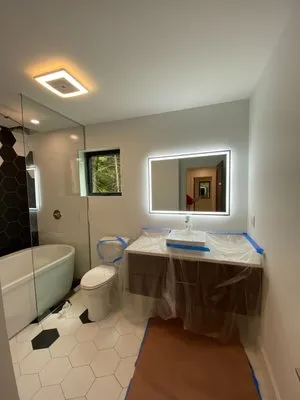
RHE Electric
RHE Electric is a trusted electrical contractor serving Pine Bush, NY, and the surrounding Orange, Ulster, and Sullivan counties since 2005. Founded and operated by Ryan H. Engelsen, who brings over 2...
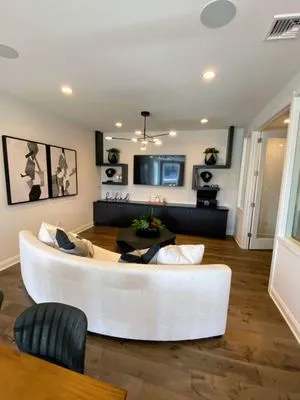
ZAM Electric has been a trusted, licensed electrical contractor serving the Hudson Valley and Northern New Jersey, including the Maybrook community, since 1986. We specialize in providing reliable ele...
TNT Mechanical is a family-owned and operated HVAC, plumbing, and electrical company proudly serving the Wallkill community. With over 15 years of hands-on experience, our primary focus is on helping ...
Dukes Electric is a family-owned and operated electrical contractor based in Wurtsboro, NY. Established in 2005, we are a fully licensed and insured business providing reliable electrical services to ...
Superior Solar USA is a trusted electrical and solar contractor serving Chester, NY, and the Hudson Valley. We help local homeowners and businesses power their lives more efficiently, safely, and sust...
J&K Wiring is a trusted electrical service provider serving Suffern, NY, specializing in electric inspections, installations, replacements, and outdoor lighting. We understand the unique challenges fa...
Estimated Electrical Service Costs in West Hurley, NY
Frequently Asked Questions
What permits and inspections are needed for an electrical panel upgrade in West Hurley?
The Town of Hurley Building Department requires permits for all service upgrades, which we handle as part of our licensed service. As master electricians, we ensure compliance with NEC 2020 and New York State licensing requirements through the Department of State. Proper inspections verify grounding, bonding, and load calculations—critical steps that DIY work often misses, potentially voiding insurance coverage.
My power just went out and I smell something burning near an outlet—how fast can an electrician get here?
For urgent electrical smells, we dispatch immediately from our West Hurley base near Town Park. Using NY-28, we typically reach West Hurley Proper homes within 5-8 minutes. Burning odors often indicate overheating wires or failing connections that require immediate attention to prevent fire. Keep the affected circuit off until we arrive and avoid using nearby outlets.
Why do my smart lights and electronics keep resetting during thunderstorms in West Hurley?
Central Hudson's grid experiences moderate surge risks from seasonal lightning and infrastructure fluctuations common in our region. These voltage spikes can bypass basic surge protectors and damage sensitive electronics. Installing whole-house surge protection at your main panel provides the first line of defense, while point-of-use protectors at entertainment centers offer additional protection for high-value devices.
Why do my lights dim when I run the microwave and air conditioner together in my West Hurley Proper home?
Your 60-year-old cloth-jacketed copper wiring, installed around 1966, wasn't designed for today's simultaneous high-wattage appliance loads. Modern kitchens and HVAC systems demand more amperage than these original circuits can safely deliver. This voltage drop causes dimming lights and can overheat wiring insulation over time. Upgrading to modern Romex wiring with dedicated circuits resolves this capacity issue while meeting current NEC standards.
Could the rocky hillside and dense forest around my West Hurley home affect my electrical service?
Yes, the terrain impacts several aspects. Rocky soil can compromise grounding electrode conductivity, requiring specialized installation techniques. Dense forest canopy near overhead lines increases wildfire risks from arcing during high winds. Tree branches contacting service drops also cause intermittent faults. Regular vegetation management and proper grounding system maintenance address these terrain-specific challenges.
What should I know about overhead service lines with the mast on my West Hurley hillside property?
Overhead service with a mast is standard here, but hillside locations present unique considerations. The mast must withstand heavy ice accumulation and high winds common in our area. Ensure proper mast height clearance from roofs and trees to prevent weather-related outages. Underground service alternatives exist but require trenching through rocky terrain, making overhead often more practical despite exposure to elements.
Can my 1966 house with a 100A panel and Federal Pacific breaker box handle a Level 2 EV charger?
No, your current setup presents multiple safety concerns. Federal Pacific panels have known failure rates and recall issues, making them unreliable for new high-demand circuits. A 100A service is insufficient for EV charging alongside modern appliances—Level 2 chargers typically require 40-50A dedicated circuits. You'll need a full service upgrade to 200A with a modern panel before considering EV installation.
How should I prepare my electrical system for West Hurley's winter ice storms and heating season brownouts?
Winter temperatures dropping to -5°F combined with heating surges strain older electrical systems. Consider installing a transfer switch for a backup generator before storm season arrives. Ensure your heating system has dedicated circuits and clean connections to prevent overloads during prolonged cold spells. Surge protection becomes particularly important when power restarts after outages.
