Top Emergency Electricians in University Gardens, NY, 11020 | Compare & Call
There are 224 electrician companies server in University Gardens NY
Universal Electrical Services
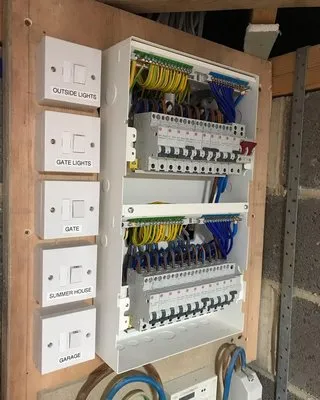
Universal Electrical Services has been a trusted, licensed provider for Flushing and greater Queens County since 2014. We operate 24/7 to handle everything from routine outlet installations to emergen...
JJ Electrical has been a trusted name in Queens for over 20 years. As a certified electrician with decades of experience, I take pride in delivering friendly, efficient, and reliable electrical servic...

Jeramy Electric is a locally owned and operated electrical service based in Little Neck, NY, founded by a licensed electrician who moved his family from Brooklyn to establish roots in the community. F...
As a lifelong New Yorker and a licensed electrician with decades of experience, Jonathan Wong brings a true local's understanding to every electrical job in Queens. Since opening his Little Neck-based...
Igal The Handyman is a trusted local service in Queens, NY, offering a comprehensive range of home repair and maintenance solutions. From appliance installation and furniture assembly to drywall, pain...
Oakland Gardens Electricians is a family-owned electrical service deeply rooted in the Queens community, founded in 1999. Our certified team brings over two decades of reliable, professional work to e...
Fresh Meadows Electric is a locally owned and operated electrical service provider in Fresh Meadows, NY, founded and led by Ronald, a certified professional electrician with over 20 years of experienc...
Keenan Electric is a locally owned and operated electrical service founded on over two decades of experience. Owner Keenan, a certified electrician, began his career in Brooklyn before bringing his ex...
Archie's Electrical Contractors is a trusted, family-operated electrical service proudly serving the Bayside community for nearly 15 years. Founded by Archie, a licensed electrician with over 15 years...

Anton Electric is a family-owned and locally-operated electrical contractor proudly serving the Elmont community since 1999. Our founder has been a certified electrician in the area since 1992, bringi...
Estimated Electrical Service Costs in University Gardens, NY
Q&A
Does the hilly terrain near Great Neck affect my home's electrical reliability?
Rolling suburban hills in University Gardens can impact electrical health in a few ways. Tree roots in rocky soil may interfere with underground grounding electrodes, reducing protection against faults. Overhead lines in hilly areas are more exposed to wind and debris during storms, potentially causing outages. Ensuring proper grounding and trimming nearby trees minimizes these risks.
Do I need permits to upgrade my electrical panel in University Gardens?
Yes, permits are required for panel upgrades or major electrical work. The Town of North Hempstead Building Department oversees permits, and all installations must comply with NEC 2020 standards for safety. As a licensed master electrician, I handle the red tape, including filings with the Nassau County Consumer Affairs Department, ensuring your project meets local codes without hassle.
What should I know about overhead service lines in my suburban neighborhood?
With overhead service via a mast common in University Gardens, your power enters from utility poles above ground. This setup is typical for suburban areas but requires periodic inspection for wear or damage from weather. The meter is usually mounted externally, and any upgrades—like panel replacements—must account for the mast's condition to meet code. Underground service alternatives exist but involve more extensive work.
Why do my lights dim when I run the microwave in my University Gardens home?
Your electrical system is about 77 years old, dating back to 1949 when cloth-jacketed copper wiring was standard. These original circuits were designed for basic lighting and small appliances, not today's high-demand devices like air conditioners, computers, and kitchen gadgets. Modern loads can overwhelm the aging wiring, causing voltage drops that manifest as dimming lights. Upgrading to modern wiring and a higher-capacity panel resolves this safely.
Why do my lights flicker during storms in University Gardens?
Flickering lights during storms often stem from grid disturbances from PSEG Long Island. University Gardens faces moderate surge risks from seasonal coastal storms, which can introduce voltage spikes into your home. These surges can damage sensitive electronics like smart home devices or computers. Installing whole-house surge protection at your service entrance helps shield your appliances from such fluctuations.
How should I prepare my electrical system for winter ice storms or summer brownouts?
For winter lows around 15°F, ensure your heating system is inspected to handle ice storm loads without overloading circuits. During summer AC peaks, brownouts can occur from high demand. Consider a generator backup for essential power, and install surge protection to guard against storm-related spikes. Regular maintenance of your panel and wiring helps prevent failures during extreme weather.
My power went out and I smell something burning—how fast can an electrician get here?
For urgent electrical issues like burning smells or power loss, we prioritize rapid response. From the Great Neck LIRR Station area, we can typically reach University Gardens homes in 10-15 minutes via the Long Island Expressway (I-495). Immediate dispatch helps prevent fire hazards or further damage, so call right away if you notice unusual odors or sparks.
Can my 1949 house with a 100A panel handle a Level 2 EV charger or heat pump?
A 100A panel from 1949 is insufficient for adding a Level 2 EV charger or heat pump safely. These devices require significant amperage that would overload your system, risking tripped breakers or fire. Additionally, if your panel is a Federal Pacific brand—common in older homes here—it poses a known safety hazard due to potential failure. A service upgrade to 200A with modern breakers is essential before installing such high-demand equipment.
