Top Emergency Electricians in Sandy Creek, NY, 13145 | Compare & Call

There are 25 electrician companies server in Sandy Creek NY
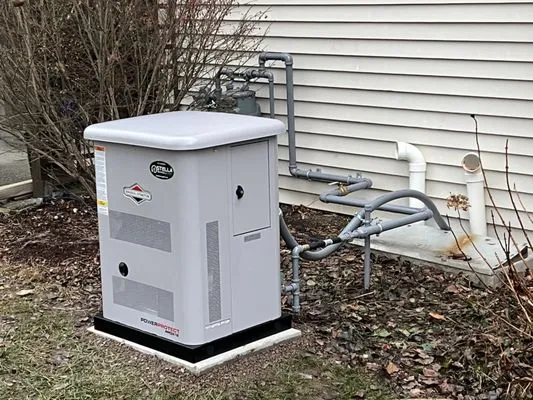
Stella Mechanical and Energy
Stella Mechanical and Energy is a service-disabled, veteran-owned business in Newark, NY, specializing in electrical and HVAC services with a focus on energy efficiency. We provide free in-home consul...
O'Hara Electric is a trusted electrical contractor serving Syracuse, NY, and the surrounding communities. Founded and operated by Mike O'Hara, who brings over 15 years of hands-on experience, our team...
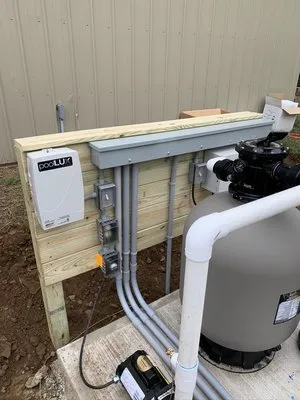
Daucher Electric has been a trusted electrical contractor in Liverpool and across Central New York for 50 years. We provide comprehensive electrical services for both residential and commercial custom...
Total Electric is a trusted electrical service provider in Syracuse, NY, specializing in comprehensive electrical solutions for residential and commercial properties. As authorized technicians by Nati...
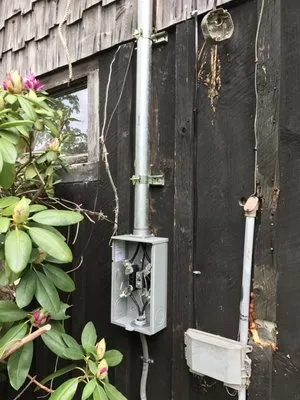
For over 40 years, Lighthouse Electric has been a cornerstone of the Chittenango community, providing dependable electrical services to homes and businesses. Our team of skilled technicians is deeply ...
Sunshine Trade Services is a trusted Syracuse-based provider of comprehensive plumbing, electrical, and handyman solutions for homeowners and businesses. With expertise spanning appliance installation...
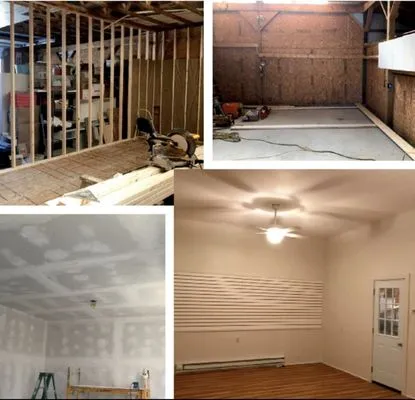
For over two generations, Blackline Remodeling has served the Fayetteville area, building a reputation on solid craftsmanship and reliable service. Rooted in the local community, we understand the spe...
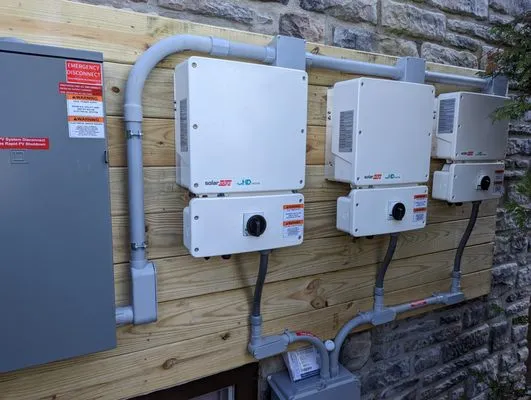
JSC in Hubbardsville, NY, is a trusted local provider specializing in solar installation, electrical work, and handyman services. We focus on helping homeowners with practical solutions, particularly ...
Allied Electric Company is a family-owned, WBE Certified commercial electrical contractor headquartered in Syracuse, NY. Since starting with a single service van in 1975, we have grown to become the p...
At Bills Repair And Electrical in Weedsport, NY, we take pride in doing things right. Our philosophy is simple: we refuse to cut corners or deliver subpar work. When you hire us, you can trust that ev...
Estimated Electrical Service Costs in Sandy Creek, NY
FAQs
What permits and codes are involved when upgrading an old electrical panel in Sandy Creek?
All electrical service upgrades in the Town of Sandy Creek require a permit from the Building Department and inspections to ensure compliance with the NEC 2020, the current New York State code. This process verifies the safety of the new panel installation, wiring methods, and grounding. As a master electrician licensed through the New York Department of State, I handle the permit paperwork and scheduling, ensuring the work meets all legal and safety standards before the utility, National Grid, will reconnect power to the new service.
How should I prepare my home's electrical system for a -15°F ice storm or a winter brownout?
Winter preparedness starts with ensuring your heating system's electrical circuits are sound and not overloaded by space heaters on aging wiring. For extended outages common during ice storms, a permanently installed generator with a transfer switch is the safest, code-compliant solution. It provides backup power without the risks of extension cords or portable generators operated indoors. We also recommend surge protection to guard against power spikes when utility service is restored, which can damage furnaces and electronics.
Can I safely add a Level 2 EV charger or a heat pump to my 1938 home with a small electrical panel?
Safely installing a Level 2 EV charger or a modern heat pump in a 1938 home is extremely difficult and typically not possible with your existing infrastructure. A 60-amp service panel and original knob and tube wiring cannot support the 30-50 amp dedicated circuits these appliances require. Furthermore, many older panels in the area, particularly Federal Pacific brands, are known failure hazards and must be replaced before any major load is added. A full service upgrade to 200 amps with new wiring is the necessary, code-compliant path forward.
My lights went out and I smell something burning near my electrical panel—how fast can an electrician get here?
For an emergency like a burning smell, we prioritize immediate dispatch. From our starting point near the Sandy Creek Town Hall, we can typically reach any home along the Main Street Corridor or nearby rural areas within 5-8 minutes via I-81. Please turn off the main breaker at your panel if it is safe to do so and exit the area. A burning odor often indicates a serious fault at the panel or wiring that requires urgent professional diagnosis to prevent a fire.
Why do my lights flicker and my smart devices reboot whenever there's a storm on the National Grid lines?
Flickering lights and device reboots are signs of voltage instability or micro-surges on the grid. Sandy Creek experiences moderate surge risk, especially from seasonal ice storms that can cause lines to sway and momentarily fault. These disturbances are hard on modern smart home electronics and sensitive appliance controls. Installing a whole-house surge protector at your main service panel is a key defense, as it clamps these transient voltages before they enter your home's wiring and cause cumulative damage.
Could the heavy tree canopy and rocky soil near my home be causing electrical problems?
Yes, the heavy tree canopy and rolling, rocky terrain common around Sandy Creek directly impact electrical health. Overhanging branches can cause line interference, flickering, and damage during storms. More critically, rocky soil makes achieving a low-resistance connection for your home's grounding electrode system difficult, which is essential for safety and surge dissipation. An electrician should test your grounding system to ensure it meets NEC standards, especially if you experience frequent minor shocks or equipment issues.
Why does my old Sandy Creek home keep blowing fuses when I run the microwave and a space heater at the same time?
Your Main Street Corridor home, built around 1938, is operating on an original 88-year-old electrical system. The common knob and tube wiring was designed for lighting and a few small appliances, not the simultaneous high-wattage demands of a modern 2026 kitchen and heating setup. A 60-amp service panel, standard for its time, lacks the capacity for today's appliance loads, causing frequent overloads. Upgrading the wiring and service panel is not just about convenience; it's a critical safety measure to prevent overheating and fire.
What are the pros and cons of having overhead electrical service lines in a rural area?
Overhead service lines, common in rural Sandy Creek, are more accessible for utility repairs but are more vulnerable to weather and falling tree limbs. The mast where the service drop connects to your house must be structurally sound and properly sealed to prevent water ingress, a common failure point. For homes on long private drives, voltage drop over the distance can also be an issue, affecting appliance performance. Ensuring your masthead, meter base, and entrance cable are in good condition is a primary maintenance item.
