Top Emergency Electricians in Lyncourt, NY, 13206 | Compare & Call

There are 83 electrician companies server in Lyncourt NY
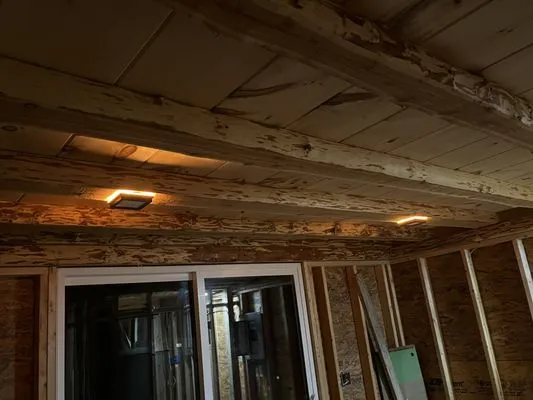
Ecker Electrical provides reliable electrical services for Trumansburg homes and businesses. Founded by Tim, a licensed N.Y. Code Official with over a decade of experience, we specialize in everything...
O'Hara Electric is a trusted electrical contractor serving Syracuse, NY, and the surrounding communities. Founded and operated by Mike O'Hara, who brings over 15 years of hands-on experience, our team...
For over 40 years, Stagnitta Jim Electric has been the trusted, local electrical contractor for Syracuse homes and businesses. Founded in 1981, we are a fully licensed, bonded, and insured team provid...
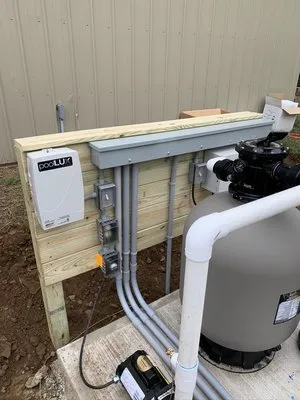
Daucher Electric has been a trusted electrical contractor in Liverpool and across Central New York for 50 years. We provide comprehensive electrical services for both residential and commercial custom...
Tom Taylor Electric brings a unique blend of experience to Syracuse homes and businesses. Tom's journey into the electrical trade began with an apprenticeship under a master electrician in Queens, NY,...
Total Electric is a trusted electrical service provider in Syracuse, NY, specializing in comprehensive electrical solutions for residential and commercial properties. As authorized technicians by Nati...
Palmer Electric
Palmer Electric Inc. has been a trusted electrical contractor in Syracuse and Central New York for over three decades. We provide comprehensive residential and commercial electrical services, from ins...
Wired Right Electric is your trusted local electrical service provider in Jamesville, NY. Founded by an electrician who learned the trade working alongside his father for over a decade, we bring deep ...
DeSena Electric is a trusted electrical contractor serving Camillus and the greater Syracuse area. We handle a wide range of electrical needs, from routine repairs and installations to specialized ser...
Steve Cook Electric provides dependable electrical services for homes and businesses in Syracuse and across Central New York. With years of experience serving the local community, Steve Cook has built...
Estimated Electrical Service Costs in Lyncourt, NY
Question Answers
I smell something burning from my electrical panel and need immediate help. How quickly can an electrician reach my Lyncourt home?
For urgent electrical issues like burning smells, we prioritize rapid response. From our base near Lyncourt School, we can typically reach most Lyncourt addresses within 5-8 minutes via I-81. Burning odors often indicate overheating components or failing connections that require immediate attention to prevent fire hazards. We keep emergency vehicles stocked with diagnostic tools and replacement parts for common panel issues. Never ignore electrical burning smells—they signal potentially dangerous conditions that warrant professional assessment without delay.
I have a Federal Pacific panel with 100-amp service in my 1952 Lyncourt home. Can I safely install a Level 2 EV charger or heat pump system?
Your Federal Pacific panel presents dual concerns: these panels have known safety issues with faulty breakers that may fail to trip during overloads, and 100-amp service is typically insufficient for adding major new loads like EV chargers or heat pumps. Most Level 2 EV chargers require 40-50 amps alone, which would consume nearly half your panel's capacity before accounting for existing household loads. Installing either system would likely require both panel replacement to eliminate the Federal Pacific hazard and a service upgrade to 200 amps for adequate capacity. We recommend addressing the panel safety issue first before considering any significant electrical additions.
How should I prepare my Lyncourt home's electrical system for winter ice storms and potential brownouts during heating season?
Winter temperatures dropping to -10°F combined with heating demand creates peak electrical stress on both your home system and the utility grid. Start with a professional inspection of your service entrance, mast, and connections where ice accumulation can cause damage. Consider installing a transfer switch for generator backup to maintain essential circuits during outages. Whole-house surge protection becomes particularly important as grid fluctuations increase during storm recovery periods. For homes with electric heat, ensuring proper circuit capacity and clean connections at the panel reduces fire risk when systems operate continuously during cold snaps.
My smart home devices keep resetting during storms, and lights flicker occasionally. Is this related to National Grid's power quality in Lyncourt?
Seasonal ice storms and grid fluctuations in the Lyncourt area can indeed cause power quality issues that affect sensitive electronics. National Grid maintains the infrastructure, but voltage sags and minor surges during weather events are common. Modern smart home devices with microprocessors are particularly vulnerable to these fluctuations, which older incandescent lighting might tolerate better. Installing whole-house surge protection at your main panel provides the first line of defense, while dedicated circuits with local surge protection for critical electronics offer additional security. These measures help stabilize power to your devices during grid disturbances.
Does Lyncourt's flat suburban plateau terrain near the school affect my home's electrical grounding or power reliability?
The flat plateau terrain around Lyncourt School generally supports good electrical grounding when properly installed, as soil conditions tend to be consistent without extreme rock content. However, this topography can sometimes lead to concentrated ice accumulation on overhead lines during winter storms, increasing outage risks. Grounding electrode systems in these areas should be tested periodically to ensure low resistance paths, especially for older homes where original electrodes may have degraded. While the terrain itself doesn't inherently cause electrical issues, it influences how environmental factors like ice storms affect service reliability and grounding effectiveness.
What permits and code requirements apply to electrical work in Lyncourt, and who handles the inspection process?
All electrical work in Lyncourt falls under the Town of Salina Building Department for permits and inspections, with licensing regulated by the New York State Department of State. The current adopted code is NEC 2020, which includes updated requirements for AFCI protection, GFCI placement, and surge protection in certain applications. As a licensed master electrician, I handle the permit application process and ensure installations meet both local amendments and state licensing requirements. Proper permitting isn't just bureaucracy—it ensures independent verification that work meets safety standards, protects your insurance coverage, and creates documentation for future homeowners.
My Lyncourt home was built in 1952 and still has original cloth-jacketed copper wiring. Why do my lights dim when I run the microwave and air conditioner together?
Your electrical system is 74 years old, and cloth-jacketed copper wiring from that era was designed for much lower power demands than modern 2026 appliances create. These older circuits often lack adequate capacity for today's simultaneous high-wattage loads, causing voltage drops that manifest as dimming lights. Many Lyncourt homes with original wiring struggle with this issue because the system wasn't engineered for multiple high-draw appliances operating concurrently. Upgrading to modern wiring and increasing panel capacity would resolve this safety concern while improving performance.
My Lyncourt home has overhead service lines. What maintenance should I perform on the mast and weatherhead where the power enters my house?
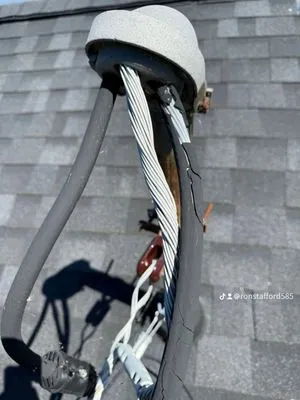
Overhead service entrances require regular inspection of the mast, weatherhead, and service drop connections. Check for rust or corrosion on the mast pipe, especially at the roof penetration point where moisture can accumulate. Ensure the weatherhead remains properly angled to prevent water ingress into your service cables. Look for any tree branches approaching within 10 feet of the service drop lines—vegetation contact during wind or ice events can cause outages or damage. These components form the critical interface between National Grid's distribution system and your home's electrical panel, so their integrity directly affects safety and reliability.
