Top Emergency Electricians in Delaware, NY, 12723 | Compare & Call

There are 29 electrician companies server in Delaware NY
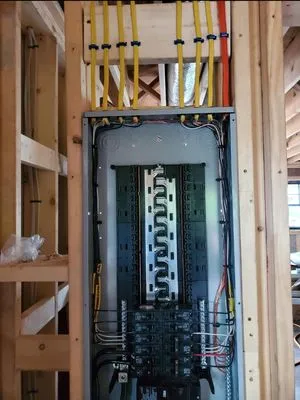
Lunaire is Middletown's trusted provider for electrical, security, and lighting needs. Many local homeowners face electrical challenges from storm-related outages and outdoor outlet corrosion. Lunaire...
Wurtsboro Electric Service
Wurtsboro Electric Service is a licensed electrical contracting firm serving Orange, Sullivan, and Ulster counties in New York's Hudson Valley region. As licensed Master Electricians and Security Syst...
My career in electrical work started right after high school in 1994, building a strong foundation of hands-on experience. I earned my first electrical license in 2004 and founded Summit Electric, ini...
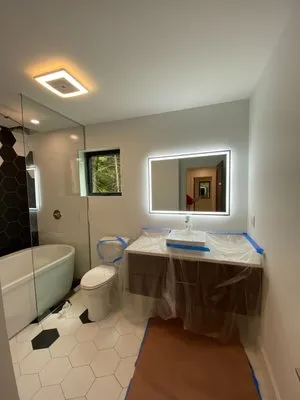
RHE Electric
RHE Electric is a trusted electrical contractor serving Pine Bush, NY, and the surrounding Orange, Ulster, and Sullivan counties since 2005. Founded and operated by Ryan H. Engelsen, who brings over 2...
J Electric
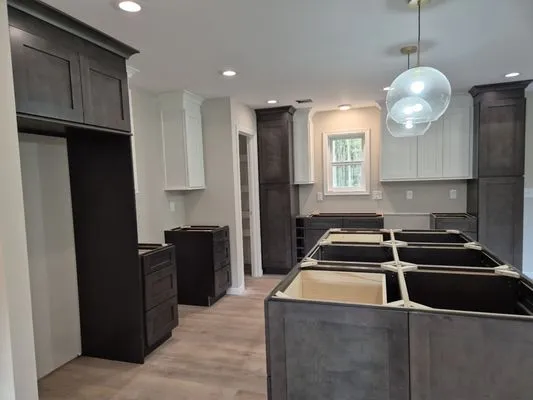
J Electric is your trusted local electrical service in Port Jervis, NY, providing reliable solutions for homes and businesses. We specialize in a full range of electrical work, from essential repairs ...

ZAM Electric has been a trusted, licensed electrical contractor serving the Hudson Valley and Northern New Jersey, including the Maybrook community, since 1986. We specialize in providing reliable ele...
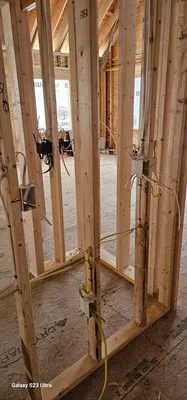
Grey Wolf Electric brings over 16 years of comprehensive experience to every electrical project in Callicoon, NY, and throughout Sullivan County. Our licensed team handles everything from residential ...
County Wide Electric
Since 2000, County Wide Electric has been the trusted electrical partner for homes and businesses across Goshen and the Hudson Valley. Founded on a commitment to safety and reliability, this locally-o...
American Electric
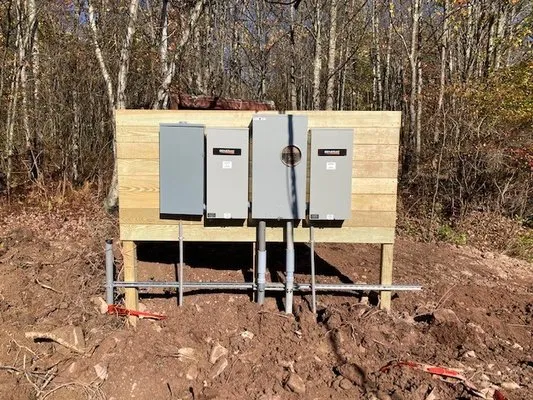
Founded by Michael F. Popolillo in 1981 and reestablished as American Electric in 1991, this family-owned electrical business has grown from a one-person shop into a full-service company serving Lake ...
Dukes Electric is a family-owned and operated electrical contractor based in Wurtsboro, NY. Established in 2005, we are a fully licensed and insured business providing reliable electrical services to ...
Estimated Electrical Service Costs in Delaware, NY
Question Answers
I have an old 100A panel and want to install a heat pump. Is my 1964 Delaware home’s electrical system up to the task?
A 100A service from 1964 is almost certainly insufficient for a heat pump addition. The panel itself may also be a recalled Federal Pacific model, which is a known fire hazard due to breakers that fail to trip. This upgrade requires a full load calculation, a service upgrade to 200A, and replacement of the hazardous panel—none of which can be safely bypassed.
Do I need a permit from the Town of Delaware to replace my old Federal Pacific electrical panel?
Absolutely. Replacing a service panel always requires a permit and inspection from the Town of Delaware Building Department. The work must comply with NEC 2020 and be performed by a Master Electrician licensed by the New York Department of State. We handle the entire permit process, ensuring the installation is documented and certified for your safety and for future real estate disclosures.
My lights dim when the fridge and microwave run together in my Callicoon Center home. Is this just old wiring?
Your 62-year-old electrical system is showing its age. Cloth-jacketed copper wiring from 1964 was never designed for the simultaneous loads of modern refrigerators, microwaves, and small appliance circuits. This wiring degrades over time, losing its insulation integrity and capacity, which can cause voltage drop (dimming lights) and become a fire hazard under sustained overload.
My smart TV and modem keep resetting during storms. Is this a NYSEG grid problem or something in my house?
This is likely a combination. The NYSEG grid in our area faces moderate surge risks from seasonal ice storms, which can send transient voltage spikes down the line. Your 1964-era wiring lacks modern whole-house surge protection at the service entrance. Installing a Type 1 or Type 2 surge protective device is critical to shield sensitive electronics from these external and internally generated surges.
How should I prepare my Delaware home’s electrical system for a -10°F ice storm and potential days-long outage?
Winter peaks strain the grid and your own system. Ensure your heating equipment is serviced and on a dedicated circuit. For extended outages, a properly installed generator with a transfer switch is essential—backfeeding into the panel via an outlet is illegal and deadly. We also recommend installing surge protection ahead of the heating season to guard against grid fluctuations when power is restored.
I see the overhead service line to my rural Delaware home is sagging. Who fixes that, and what should I watch for?
The utility (NYSEG) owns and maintains the lines up to your weatherhead, where the mast and service entrance conductors are your responsibility. A sagging line between the pole and your house should be reported to NYSEG. However, a damaged mast or loose service entrance cables on your home require a licensed electrician to repair, as they are part of your premises wiring and must meet NEC 2020 mast height and securement codes.
My power is out and I smell burning near the panel. How fast can an electrician get to Callicoon Center?
For an emergency like a burning smell, dispatch starts immediately from our base near Delaware Valley Town Park. Using NY-17/I-86, we can typically be on-site in Callicoon Center within 15 minutes. Your first action should be to shut off the main breaker at the service entrance if it’s safe to do so, then call from outside the home.
Could the rolling hills and rocky soil around here affect my home’s electrical grounding or power quality?
Yes, the Appalachian plateau terrain directly impacts your system. Rocky, shallow soil can make achieving a low-resistance ground for your grounding electrode system difficult, which is vital for safety and surge dissipation. Furthermore, heavy tree canopy common in areas like near Delaware Valley Town Park can cause line interference and increase the risk of falling limbs taking out overhead service drops during storms.
