Top Emergency Electricians in Burlington, NY, 13315 | Compare & Call

There are 190 electrician companies server in Burlington NY
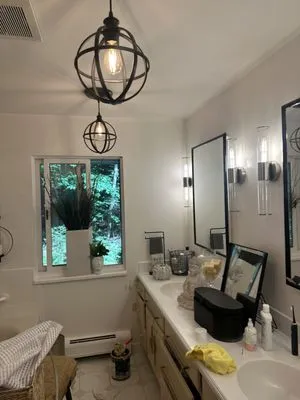
E L Electric is a trusted electrical service provider serving Brooklyn, NY, specializing in electric inspections, lighting fixtures, and equipment. We help local homeowners address common electrical p...
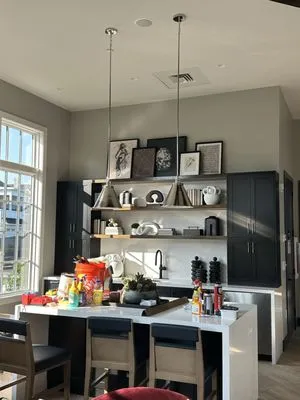
Antonio Ferrao Electric is a veteran-owned, fully licensed electrical contractor serving Peekskill and the greater Hudson Valley since 1989. Founded by Master Electrician Antonio Ferrao, a U.S. Army v...
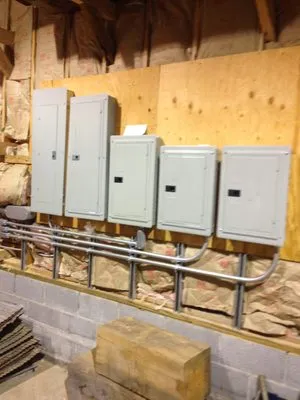
Founded in 2005 by Master Electrician Butch Gilbert, Effective Electric has grown from a one-person operation into a trusted six-person team serving Cortlandt Manor, Westchester, Putnam, and Fairfield...
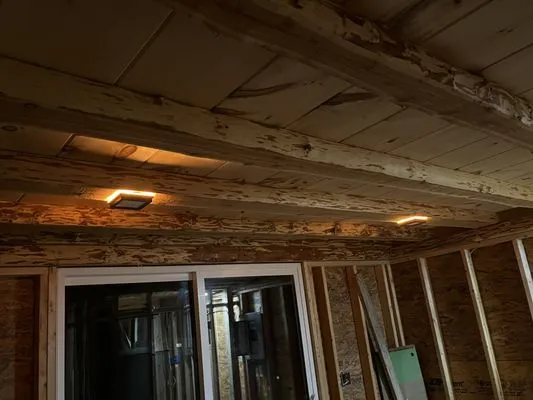
Ecker Electrical provides reliable electrical services for Trumansburg homes and businesses. Founded by Tim, a licensed N.Y. Code Official with over a decade of experience, we specialize in everything...
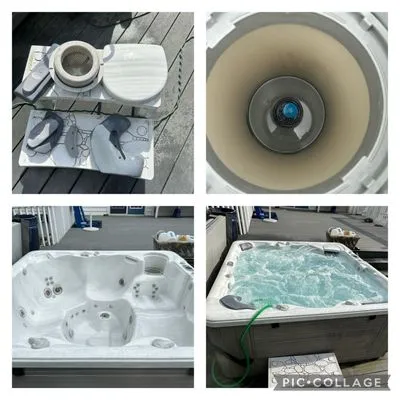
Marks Pool Service And Repair is your trusted, full-service provider in Walden, NY. While we specialize in comprehensive above-ground pool repair and maintenance, including cutout repairs, rust remedi...
My career in electrical work started right after high school in 1994, building a strong foundation of hands-on experience. I earned my first electrical license in 2004 and founded Summit Electric, ini...
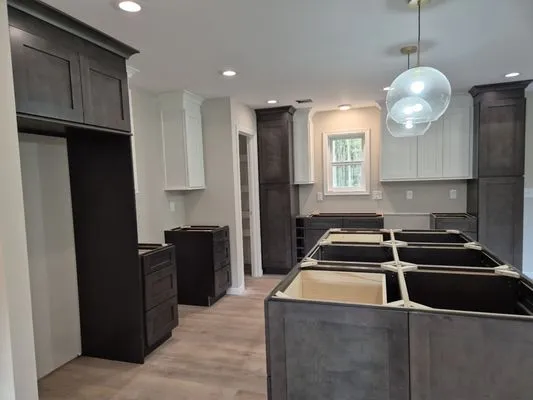
J Electric
J Electric is your trusted local electrical service in Port Jervis, NY, providing reliable solutions for homes and businesses. We specialize in a full range of electrical work, from essential repairs ...
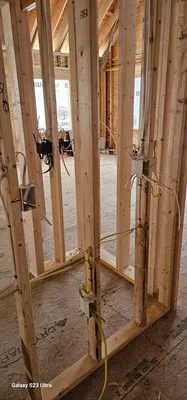
Grey Wolf Electric brings over 16 years of comprehensive experience to every electrical project in Callicoon, NY, and throughout Sullivan County. Our licensed team handles everything from residential ...
O'Hara Electric is a trusted electrical contractor serving Syracuse, NY, and the surrounding communities. Founded and operated by Mike O'Hara, who brings over 15 years of hands-on experience, our team...
For over 40 years, Stagnitta Jim Electric has been the trusted, local electrical contractor for Syracuse homes and businesses. Founded in 1981, we are a fully licensed, bonded, and insured team provid...
Estimated Electrical Service Costs in Burlington, NY
Frequently Asked Questions
My power comes from an overhead line on a mast. What are the common issues with this setup in a neighborhood like mine?
Overhead service masts are standard here but come with specific vulnerabilities. Ice accumulation or falling branches can damage the mast or the service drop wires, causing an outage. The mast's point of entry into the house is also a critical seal against moisture. We inspect for proper mast height, secure attachment, and weatherhead integrity to prevent water ingress, which is a leading cause of panel corrosion and failure.
We have dense forest and rolling hills near my home. Could that be causing my lights to flicker?
Yes, the terrain can contribute. The heavy tree canopy common in our area can cause branches to contact overhead service lines, especially in wind, leading to intermittent flickering. Furthermore, rocky soil in the rolling hills can compromise grounding electrode systems for older homes, which affects stability. An electrician should inspect both your service mast connections and your home's grounding to diagnose the specific cause.
I'm worried about permits and codes for an electrical upgrade. What do I need to know for the Town of Burlington?
All significant electrical work in Burlington requires a permit from the Town of Burlington Code Enforcement Office and must comply with the 2020 NEC. As a Master Electrician licensed by the New York Department of State, I handle the entire permit process—application, inspections, and final approval—ensuring the work is documented and safe. This protects your investment and is required for home insurance and future sales.
There's a burning smell from my outlet and I lost power. How fast can an electrician get here in Downtown Burlington?
A burning smell indicates an immediate fire hazard. For an emergency like this, we dispatch from our Burlington Green location and use NY-80 for rapid transit. Our typical response time to Downtown Burlington is 5-8 minutes. The priority is to safely disconnect power at the source and assess the damage before any restoration can begin.
I have an old 60-amp panel and want to add a heat pump and an EV charger. Is my current electrical setup safe for this in my 1938 home?
No, your current setup is not safe for those additions. A 60-amp service from 1938 is insufficient for a heat pump and Level 2 EV charger, which would require a 200-amp service upgrade. Furthermore, if your panel is a Federal Pacific Electric (FPE) brand, it presents a known and serious fire hazard due to breakers that may not trip during an overload. A full service upgrade and panel replacement are mandatory first steps.
My Burlington Green neighborhood home was built in 1938 and has original wiring. Why are my lights dimming when I use my air fryer?
Your home's electrical system is 88 years old. Original 1938 knob and tube wiring was designed for lighting, not for modern appliances like air fryers or multiple computers. The system lacks the capacity and dedicated circuits required by today's 2026 NEC standards, creating a fire risk from overloaded circuits and potential insulation failure. Upgrading to a modern panel and rewiring with grounded circuits is essential for safety and functionality.
My smart TV keeps resetting during storms. Is this a problem with NYSEG or my house wiring?
It's likely a combination. NYSEG's overhead lines in our area are susceptible to moderate surges from seasonal ice storms, which can send spikes into your home. However, outdated wiring and a lack of whole-house surge protection leave your sensitive electronics vulnerable. Installing a service entrance surge protector at your main panel is a critical defense, working in tandem with point-of-use protectors for your most valuable devices.
How should I prepare my Burlington home's electrical system for a winter with -15°F temperatures and possible ice storms?
Winter heating surges and ice storm outages are significant risks here. First, ensure your heating system is on its own dedicated circuit from a modern panel. Consider installing a generator with a proper transfer switch to maintain heat and refrigeration during extended outages. A whole-house surge protector is also recommended to guard against grid fluctuations when power is restored after a storm.
