Top Emergency Electricians in Barre, NY, 14058 | Compare & Call

There are 65 electrician companies server in Barre NY
Prominent Electric is a locally owned and operated electrical service provider in Depew, NY, founded by a master electrician who earned his license at age 20 through early passion for electrical syste...
Zenner & Ritter
Zenner & Ritter is a family-owned and operated home services company that has been a trusted part of the Buffalo community since the late 1920s. Under the stewardship of Barbara and her son Brian, the...
BRC Electric is a trusted, locally-owned electrical contractor serving Lockport, NY, and the surrounding communities. We provide a comprehensive range of residential electrical services, from routine ...
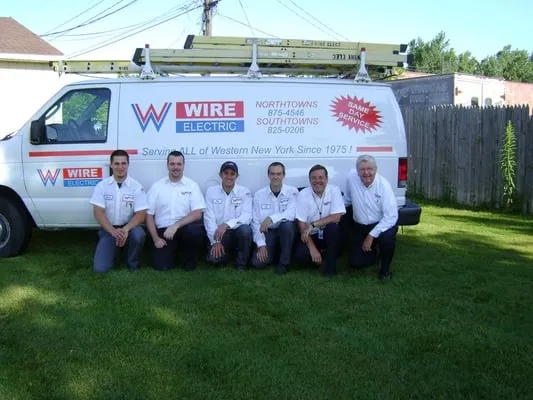
Wire Electric
Wire Electric has been a trusted electrical resource for Buffalo and Western New York since 1975. Our licensed, background-checked, and drug-tested electricians are trained to handle a wide range of r...

VSG Power is a licensed electrical contractor serving Buffalo, NY, and the wider Western New York region. Founded in 2023 and incorporated in Erie County, we specialize in modernizing electrical infra...
Lighthouse Home Electrical Services provides reliable electrical solutions for Fairport homeowners, focusing on safety and clear communication. We offer detailed, no-obligation remote quotes for a wid...
RocTech Solution is a licensed electrical technician serving Rochester, NY, with over ten years of experience in electrical repairs, security camera installation, TV mounting, ceiling fan repair, and ...
VanBortle Electric
VanBortle Electric was founded in 2010 by an electrical engineer and U.S. Army veteran who served in Desert Storm. With experience dating back to 1994, the owner started the business after a layoff, b...
Ray The Electrician is a trusted, locally owned and operated electrical service provider in Rochester, NY. Our team has built a strong reputation for reliability and customer satisfaction by offering ...
For over 17 years of combined family expertise, Maroney's Enterprise has been serving Walworth, NY, and the surrounding communities with reliable, responsive home services. We bring a passion for help...
Estimated Electrical Service Costs in Barre, NY
Question Answers
What permits and codes apply when upgrading electrical service in Barre?
All electrical work in Barre requires compliance with NEC 2020 and permits from the Town of Barre Code Enforcement Office. As a master electrician licensed through the New York State Department of State Division of Licensing Services, I handle the permit applications, inspections, and documentation required for service upgrades. The process typically involves submitting detailed load calculations, equipment specifications, and wiring diagrams before work begins. Proper permitting ensures your installation meets current safety standards and provides documentation for insurance purposes and future property transfers.
What should I know about overhead service lines for my rural Barre property?
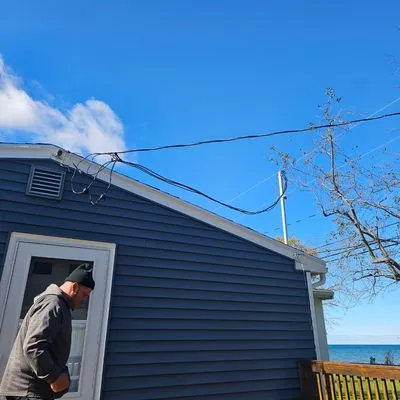
Overhead service with a mast entrance is standard for rural Barre properties, bringing unique considerations. The mast where lines enter your home requires periodic inspection for weather damage or animal interference. You're responsible for the service entrance conductors from the weatherhead down to your meter, while National Grid maintains the lines to that point. In open farmland settings, consider installing a lightning arrestor at the service entrance, as isolated structures are more vulnerable to strikes. Also ensure proper clearance from trees and structures where your overhead service drop connects to the house.
How should I prepare my home's electrical system for Barre's winter ice storms and potential brownouts?
Winter preparation starts with ensuring your heating system's electrical components are serviced and your panel can handle the seasonal surge when temperatures drop to -10°F. Consider installing a transfer switch for generator backup before storms arrive—this provides safe connection points for temporary power during outages. Surge protection becomes particularly important as ice storms frequently cause power restoration surges that can damage appliances. Also verify all exterior outlets have weatherproof covers and GFCI protection to prevent moisture-related hazards during thaw cycles.
Can my 1964 home with a 100-amp panel safely add a Level 2 EV charger or heat pump?
Your current 100-amp service and Federal Pacific panel present significant limitations for modern upgrades. Federal Pacific panels have known safety issues with breakers failing to trip during overloads, creating fire risks. Even if the panel were safe, a 100-amp service typically lacks sufficient capacity for Level 2 EV charging (requiring 40-50 amps) plus existing household loads and heating systems. Most installations require upgrading to 200-amp service with modern AFCI/GFCI breakers before adding these high-demand appliances safely.
Why do my lights flicker during storms, and should I worry about my smart home electronics?
Flickering during storms relates to National Grid's overhead distribution system and our moderate surge risk from seasonal ice storms. Ice accumulation on lines causes momentary faults and voltage fluctuations that manifest as flickering lights. These fluctuations can damage sensitive electronics like computers, smart thermostats, and entertainment systems. Installing whole-house surge protection at your service entrance provides the first line of defense, while point-of-use protectors offer additional security for valuable electronics against both utility-side surges and internal switching transients.
Why do my lights dim when I run the microwave and air conditioner together in my Barre Center home?
Your electrical system is about 62 years old, dating back to 1964 when cloth-jacketed copper wiring was standard. These original circuits were designed for far fewer appliances than modern 2026 households typically use. When you operate multiple high-demand devices simultaneously, the voltage drops across that aging wiring, causing noticeable dimming. This isn't just an inconvenience—it indicates your system is operating beyond its intended capacity, which can accelerate insulation breakdown and create fire hazards over time.
Does Barre's rolling farmland terrain affect my home's electrical reliability?
The rolling farmland around Barre Center influences electrical health in several ways. Overhead service lines crossing open terrain are more exposed to wind and ice accumulation during storms, potentially increasing outage frequency. Rocky soil conditions common in this area can challenge proper grounding electrode installation, affecting surge dissipation and equipment protection. Additionally, the expansive views mean fewer trees near lines compared to forested areas, reducing vegetation-related outages but increasing exposure to weather elements. Proper grounding system maintenance becomes particularly important given these terrain characteristics.
My power went out and I smell something burning near my electrical panel—how quickly can an electrician get here?
For emergency situations like burning smells or complete power loss, we prioritize immediate dispatch. From our starting point near Barre Town Hall, we can typically reach most Barre Center locations within 5-10 minutes via NY-98. Burning odors often indicate overheating components or failing connections that require immediate attention to prevent electrical fires. Please turn off power at the main breaker if safe to do so, and avoid touching the panel until a licensed electrician arrives to assess the situation.
