Top Emergency Electricians in Branchburg, NJ, 08853 | Compare & Call



Question Answers
My smart lights and modem keep resetting during storms. Is this a problem with my house or JCP&L's grid?
This is likely a combination of both. The JCP&L grid in our area experiences moderate surge risk from seasonal thunderstorms. Grid fluctuations can cause brief voltage drops or spikes that disrupt sensitive electronics. Your home's first line of defense should be a whole-house surge protector installed at the main panel. This device, required by the NEC, clamps down on these surges before they reach your expensive smart home systems.
How can I prepare my home's electrical system for a winter ice storm or a summer brownout?
For winter lows near 12°F, ensure your heating system is on a dedicated, properly sized circuit and consider a hardwired generator interlock for backup power. Summer AC peaks strain the grid, making whole-house surge protection critical. For brownouts, installing an automatic transfer switch with a standby generator protects against prolonged outages. These upgrades provide resilience against our region's climate extremes.
My power comes in on an overhead mast. What are the main things I should watch for with that setup?
Overhead mast service, common here, requires vigilance for weather-related wear. Inspect the mast head and service drop cables for signs of animal damage, ice accumulation, or corrosion. Ensure the mast is securely anchored; a loose mast can strain connections at the weatherhead. Any tree limbs contacting the service drop must be trimmed back by the utility to prevent arcing and fire risk.
The power is out and I smell something burning near my panel. How fast can an electrician get to my house?
For an emergency like a burning smell, which indicates active electrical failure, you should call 911 first to ensure safety. A licensed electrician can typically dispatch from the White Oak Park area and be en route via US-202 within 8-12 minutes. The priority is immediate isolation of the hazard to prevent fire, followed by a thorough diagnostic of the panel and affected circuits.
I have an old Federal Pacific panel and want to install an EV charger. Is my 100-amp service from 1982 even safe for that?
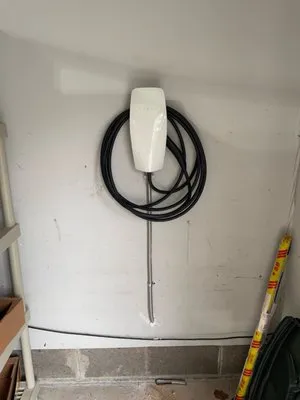
A Federal Pacific panel presents a significant safety risk and is not compatible with modern demands like a Level 2 EV charger. These panels are known for faulty breakers that fail to trip during overloads, creating a fire hazard. A 1982-era 100-amp service lacks the capacity for a high-draw EV charger or a heat pump. A full service upgrade to 200 amps, including panel replacement, is required for safe installation and reliable operation.
My Branchburg home was built in 1982, and my lights dim when the AC kicks on. Are my original wires just too old?
Your home's electrical system is now 44 years old. Original NM-B Romex wiring in White Oak Park homes wasn't designed for today's 2026 appliance loads, which demand far more power. The 100-amp panel common for that era is often maxed out by modern kitchens, home offices, and HVAC systems. While the wiring itself may be sound, the overall capacity is insufficient, leading to voltage drop and nuisance tripping as a sign of overload.
I want to upgrade my panel. What do I need to know about Branchburg permits and New Jersey electrical codes?
All major electrical work requires a permit from the Branchburg Township Construction Department and final inspection. We design and execute all upgrades to the latest NEC 2023 code, which includes mandates for AFCI and GFCI protection in many areas. As a Master Electrician licensed by the New Jersey Board of Examiners of Electrical Contractors, I handle the entire process—plans, permits, installation, and inspection—ensuring full compliance and your peace of mind.
We have a lot of tall trees near White Oak Park. Could that be affecting my home's power quality?
Yes, the dense tree canopy and rolling hills of the area directly impact electrical health. Overhead service lines running through trees are susceptible to interference from swaying branches, which can cause flickering. Falling limbs during storms are a common cause of outages. Furthermore, rocky soil in these hills can challenge proper grounding electrode installation, which is vital for system safety and surge dissipation.
