Top Emergency Electricians in Louisville, NE, 68037 | Compare & Call

There are 30 electrician companies server in Louisville NE
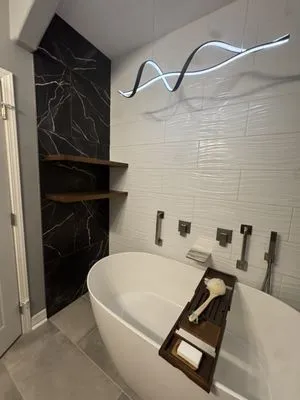
For over two decades, I've been a trusted licensed contractor in the Omaha area, focusing on home remodeling. Now, I'm applying that extensive experience to handyman services through Kay Jay Handyman ...
Hoffman Electric has been a trusted name in Omaha's electrical community since 1996. Founded and owned by Dave, our locally owned and operated business brings over a century of combined experience to ...
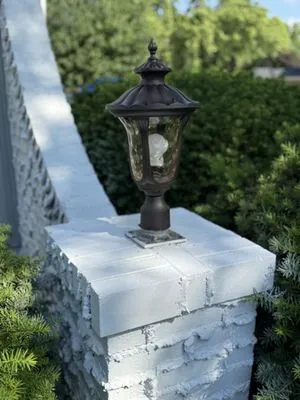
Proton Electric is a locally owned and operated electrical service provider in La Vista, NE, dedicated to keeping homes safe and functional. We pride ourselves on honesty and transparency, focusing on...
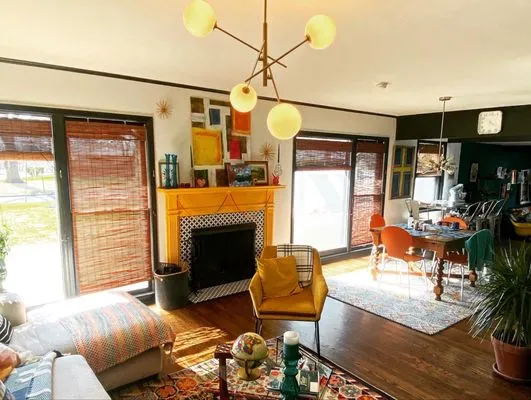
Bear Electric is a locally owned and operated electrical company serving Lincoln, Nebraska, and the surrounding communities. Founded by Ryan, a licensed electrician with over a decade of experience ra...
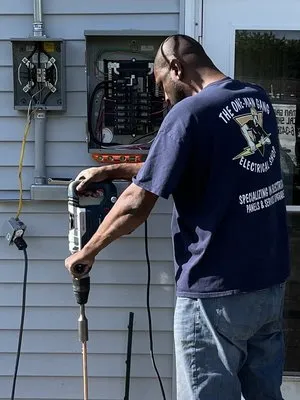
The One-Man Gang Electrical Shop
The One-Man Gang Electrical Shop is your trusted local electrical expert serving Omaha, NE. As a dedicated one-man operation, we provide personalized, reliable service for all your electrical, lightin...
Thompson
Thompson Innovation is a trusted Omaha-based technology integrator focused on creating secure, safe, and efficient environments for homes and businesses. We bring together expertise in electrical syst...
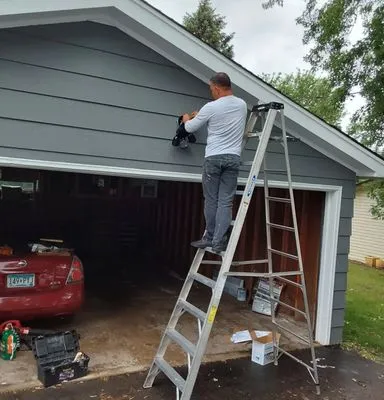
Centera Group, serving Bellevue and the surrounding area, is your local, dependable source for a comprehensive range of home maintenance and improvement services. We specialize in plumbing, electrical...
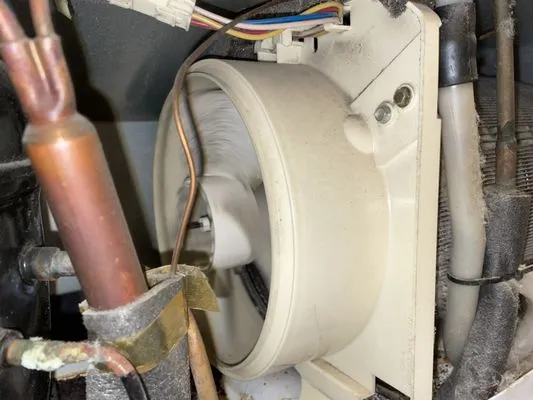
Lazy Days Handyman LLC brings a uniquely broad technical background to serving Omaha residents. Founded by a local professional who began his career as a Welding Railcar Technician, the business is bu...
Electrical PowerPros
Electrical PowerPros is a trusted, locally-owned electrical contractor serving Omaha homeowners and businesses. We specialize in addressing the common electrical challenges faced in our community, suc...
Since 1996, Electrical Systems Inc. has been the locally owned and operated electrical contractor Omaha trusts. Licensed in both Nebraska and Iowa, we provide seasoned expertise for residential, comme...
Estimated Electrical Service Costs in Louisville, NE
FAQs
My power comes from an overhead line to a mast on my roof. What are the common issues with this setup in older Louisville neighborhoods?
Overhead service masts, while cost-effective, are exposed to Nebraska's weather extremes. High winds or ice accumulation can strain the masthead and conduit, potentially pulling connections loose at the weatherhead. In older installations, the mast may not be rated for modern, heavier service cables. We check for proper mast height, secure attachment to the structure, and watertight integrity where the conduit enters your meter base. Ensuring this entrance equipment is robust prevents water infiltration and service interruptions.
I just lost power and smell something burning near my electrical panel. Who can get here fast in Louisville?
We prioritize emergency calls like this. From our base near the Louisville State Recreation Area, we can typically be on NE-50 and at your Downtown residence in 5-8 minutes. A burning odor often indicates an overheated connection at a breaker or bus bar, which is an immediate fire hazard. Our first action is to safely isolate the problem at your service entrance to prevent further damage before diagnosing the root cause.
I want to upgrade my electrical panel. What permits are needed from Cass County, and does the work have to follow the 2020 NEC?
All panel upgrades in Cass County require a permit from the Building Department, and the installation must fully comply with the 2020 National Electrical Code, which is Nebraska's adopted standard. This isn't just red tape; it ensures safety inspections for new AFCI breaker requirements, proper grounding, and load calculations. As a licensed Master Electrician with the Nebraska State Electrical Division, I handle the permit filing, scheduled inspections, and provide you with the documentation required for utility approval and future home sales.
I have an old 100-amp panel and want to install a Level 2 EV charger. Is my current setup in my 1961 home safe for this upgrade?
With a 100-amp panel from 1961, adding a 40-50 amp EV charger circuit is typically not safe or feasible without a service upgrade. The math simply doesn't work for modern loads. More critically, we must inspect for a Federal Pacific panel, which is a known and recalled fire hazard in homes of this vintage. These panels have breakers that can fail to trip during an overload. Upgrading to a 200-amp service with modern AFCI and GFCI protection is the standard, code-compliant path for EV charger or heat pump installation.
My house in Downtown Louisville was built in 1961. The lights dim when the AC kicks on, and I'm worried the wiring can't handle my modern kitchen appliances.
Your 65-year-old electrical system is a classic example. The original cloth-jacketed copper wiring, while durable for its time, was never designed for the simultaneous loads of a 2026 kitchen and central air. Insulation becomes brittle with age, increasing fire risk, and the 100-amp service panel common in that era often lacks the spare capacity for today's high-draw devices. An evaluation of your bus bars and circuit layout is the first step toward safe, reliable power.
We live on the rolling river bluffs near the Louisville State Recreation Area. Could the soil or trees be affecting our electrical service?
Yes, the terrain directly impacts your system's health. Rocky, well-drained soil on bluffs can challenge grounding electrode installation, requiring specialized rods or plates to achieve a low-resistance ground—a vital safety function. Furthermore, heavy tree canopy common in these areas can cause line interference during high winds and increase the risk of limbs falling on overhead service drops. An annual inspection of your masthead and service drop clearance is a prudent maintenance step.
My smart devices keep resetting and lights flicker during storms. Is this an issue with OPPD's power or my home's wiring?
Frequent flickering often points to a loose connection, either at the utility's drop to your house or within your own panel. Given the high lightning surge risk in our area, Omaha Public Power District grid fluctuations can certainly play a role. However, your home's first line of defense is proper surge protection installed at the main service panel. A whole-house surge protector guards sensitive electronics from external spikes, while internal flickering usually requires a Master Electrician to check terminations at the bus bars and grounding electrodes.
How can I prepare my home's electrical system for Nebraska ice storms and summer brownouts?
Preparation focuses on safety and backup power. For winter, ensure your heating system's circuit is dedicated and protected by a properly rated breaker. Consider a hardwired standby generator with an automatic transfer switch, which is safer and more reliable than portable units. For summer peaks, whole-house surge protection is critical to shield electronics from brownout-related surges. We also recommend a thermal scan of your main panel during high AC load to identify any overheating components before they fail.
