Top Emergency Electricians in Gibbon, NE, 68840 | Compare & Call

There are 18 electrician companies server in Gibbon NE
Galvan Electric is your trusted local electrical expert in Grand Island, Nebraska. Owned and operated by Kevin Galvan, a master electrician with over 20 years of hands-on experience, the business is b...
Island Heating & Air
Island Heating & Air is a licensed and bonded HVAC contractor serving Grand Island, NE, and the surrounding area. We specialize in heating, air conditioning, and electrical services, including home au...
Ensley Electrical Servcies
Ensley Electrical Services has been a trusted electrical contractor in Nebraska since 1951. Based in Grand Island, we specialize in commercial and industrial electrical work, including design, project...
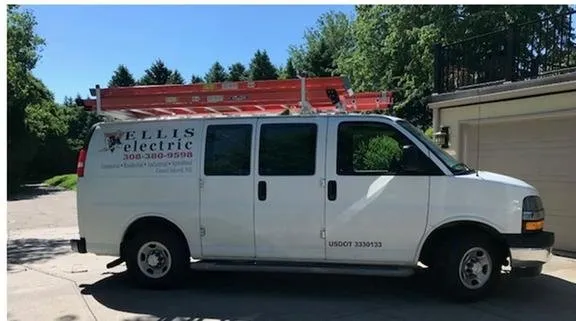
Ellis Electric LLC is a family-owned, fully licensed and insured electrical contracting business proudly serving Central Nebraska, including Grand Island. We specialize in commercial, residential, ind...
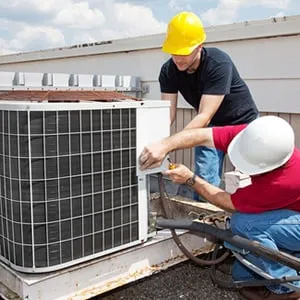
Dj's Heating Air Conditioning & Electrical
DJ's Heating Air Conditioning & Electrical is a locally owned and operated Grand Island contractor, proudly serving the community and surrounding areas for over 15 years. Our professional team provide...
Grubbs Electric is a trusted local electrical contractor serving Grand Island, NE, and the surrounding area. With years of experience, we specialize in comprehensive electrical inspections to identify...
Cacy Electric is a trusted, fully licensed electrical service provider serving Grand Island and the surrounding Nebraska communities. We specialize in a comprehensive range of services including elect...
Since 1950, Krieger Electric has been the trusted, family-owned electrical partner for Hastings homes and businesses. Founded on a commitment to meeting our community's evolving needs, we've grown fro...
Green Electric, LLC is a family-owned electrical service provider based in Grand Island, NE. We specialize in a wide range of services for homes and light commercial properties, from essential electri...
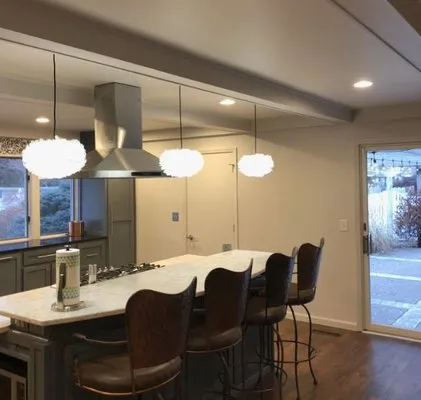
Slater Electric is a trusted, locally-owned electrical contractor serving Grand Island and the surrounding areas. With over 15 years of dedicated service, our licensed and insured team provides compre...
Estimated Electrical Service Costs in Gibbon, NE
Common Questions
How can I prepare my home's electrical system for a -15°F ice storm or a summer brownout?
Extreme cold strains heating systems and can ice over overhead lines, while summer AC use pushes the grid to its limits. For ice storms, ensure your heating system is professionally serviced and consider a hardwired backup generator installed with a proper transfer switch. For brownouts, a whole-house surge protector is crucial, as low voltage conditions can damage compressor motors in appliances.
The lights went out and I smell something burning from an outlet—how fast can an electrician get here?
For an emergency like a burning smell, we dispatch immediately. From Gibbon City Hall, we're typically on the road in minutes, using I-80 for the fastest route to Central Gibbon. A 5 to 8 minute response is standard to secure the circuit, assess the fire risk, and prevent damage to your home's wiring.
I have an old 100-amp panel. Is it safe to add a heat pump or an electric car charger?
A 100-amp service from 1968 is insufficient for major new loads like a heat pump or Level 2 EV charger. More critically, if your panel is a Federal Pacific brand, it presents a known fire hazard and should be replaced immediately, regardless of other upgrades. A full service upgrade to 200 amps is the necessary, code-compliant foundation for adding these modern systems safely.
My smart TV and modem keep resetting during Nebraska thunderstorms. Is this a grid problem?
Moderate surge risk from NPPD's grid during our seasonal thunderstorms is a likely cause. Lightning strikes and utility switching can send transient voltage spikes into your home, which older wiring and panels are ill-equipped to manage. Installing a whole-house surge protector at your main panel is the most effective defense for safeguarding sensitive electronics like TVs and modems.
I need a panel upgrade. What permits are required with the Nebraska State Electrical Division?
A service upgrade always requires a permit from the Nebraska State Electrical Division and a final inspection to comply with the 2020 NEC. As a master electrician licensed by the Nebraska State Electrical Board, I handle the entire permit process, ensuring the work meets all current code standards for grounding, AFCI protection, and load calculations. This official oversight is your guarantee of a safe and legal installation.
We have flat, prairie soil near City Hall. Does that affect my home's electrical grounding?
Flat, often dry prairie soil can present a high-resistance path to ground, which is critical for your system's safety. Proper grounding requires driving long, code-specified grounding electrodes to reach moist soil and achieve a low-resistance connection. We test this resistance to ensure your grounding electrode system can safely fault current, which is especially important for protecting older wiring.
Why do the lights dim in my Central Gibbon home when the microwave and AC run together?
Your 58-year-old electrical system is a common issue. The original cloth-jacketed copper wiring from 1968 was designed for a much smaller appliance load. Modern devices like air conditioners and microwaves demand more current, which can overload these older circuits, causing voltage drops that manifest as dimming lights. An evaluation of your circuits and service capacity is often the first step toward a solution.
My power comes from an overhead line on a mast. What should I watch for as the system ages?
Overhead service masts, common in Gibbon, are exposed to wind, ice, and weathering. Inspect the mast head and conduit for rust, cracks, or separation from the roof. The service entrance cables themselves can degrade after decades. Any sagging lines or damaged mast components require immediate professional attention to prevent a service drop or a fire hazard at the point where utility power enters your home.
