Top Emergency Electricians in Scotland Neck, NC, 27874 | Compare & Call
There are 17 electrician companies server in Scotland Neck NC
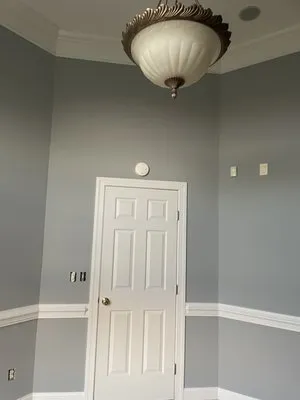
M&A Maintenance Repaired is your trusted local handyman, electrician, and painting service in Wilson, NC. We specialize in a wide range of home repair and improvement tasks, from furniture assembly an...
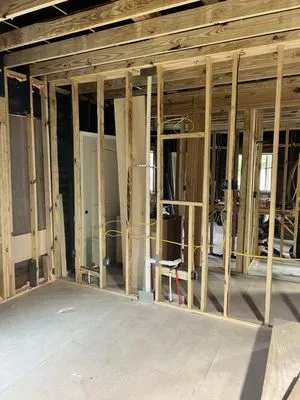
B&B Maintenance Services
B&B Maintenance Services is a family-run company in Nashville, NC, built on the principle of providing trustworthy, affordable electrical, deck, and window services directly to our neighbors. We start...
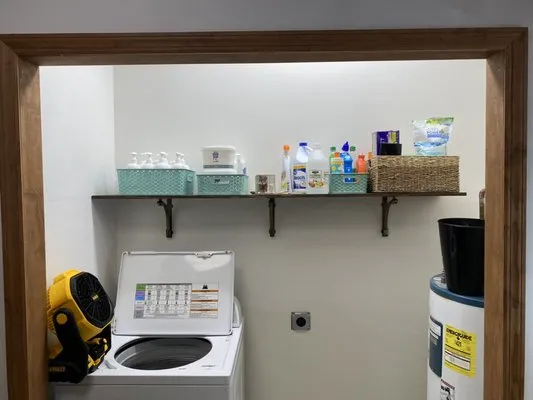
Vinson Electrical has been a trusted name for electrical work in Pendleton, NC, built on a foundation of reliable service and clear communication. We focus on getting the job done right the first time...
Acree Electric Service is a trusted local electrician serving Scotland Neck, NC, and surrounding areas. We specialize in comprehensive electrical inspections to identify and resolve common local issue...
For over 26 years, Edenbeck Electric has been the trusted local electrical expert for Roanoke Rapids, NC, and the surrounding region. As a licensed and insured residential and commercial contractor, o...
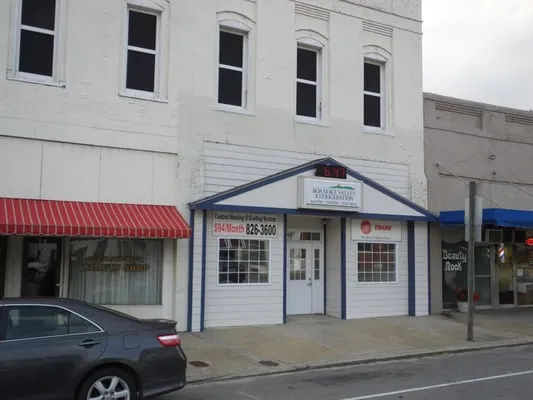
Roanoke Valley Refrigeration
Roanoke Valley Refrigeration is your trusted, local expert in Scotland Neck, NC, specializing in heating, air conditioning, and electrical services. We understand the unique challenges homeowners face...
Apexx Contracting is a trusted, full-service contracting firm serving Newport News, NC, specializing in plumbing, electrical, and general contracting. We understand the specific challenges homeowners ...
Estimated Electrical Service Costs in Scotland Neck, NC
Questions and Answers
How should I prepare my home's electrical system for a winter ice storm or a summer brownout?
For winter ice storms, the main threat is falling tree limbs on overhead lines, leading to prolonged outages. Having a professionally installed generator transfer switch ensures you can safely back up essential circuits without back-feeding the grid. During summer peak AC demand, brownouts (low voltage) can stress motor-driven appliances like your HVAC compressor and refrigerator. A whole-house surge protector is also crucial here, as power often surges back when the grid restores, which can damage electronics.
My smart TV and modem keep getting fried after thunderstorms. Is this a problem with Dominion Energy's grid or my house?
While Dominion Energy maintains the grid, our region's flat coastal plain terrain makes us a prime target for frequent, high-intensity lightning strikes. This creates massive power surges that can travel into your home. The utility's infrastructure handles the bulk of the strike, but residual surges can easily overwhelm standard power strips. Protecting modern electronics requires a whole-house surge protector installed at your main service panel, which acts as a first line of defense, supplemented by point-of-use protectors for sensitive devices.
My lights dim when the air conditioner kicks on in my Downtown Scotland Neck home. Is the original wiring from 1964 just too old?
That's a clear sign of capacity strain. Your home's original cloth-jacketed copper wiring is now over 60 years old, and the insulation can become brittle. More critically, the electrical demands of a 1964 home—perhaps a few lights and a refrigerator—are nothing compared to today's array of high-draw appliances, computers, and HVAC systems all running simultaneously. The 100-amp panel, standard for its time, simply wasn't designed for this cumulative load, leading to voltage drop and dimming lights.
We have very flat, damp soil here. Could that be causing problems with my home's electrical grounding?
Absolutely. Effective grounding relies on a low-resistance connection to the earth. In the flat, often moist coastal plain soil around Scotland Neck, the grounding electrodes (typically metal rods) can corrode faster over time. This increases the resistance of your grounding system, which is a safety hazard. It can cause subtle issues like minor tingles from appliances or more serious problems where fault currents aren't properly diverted. During a panel inspection or upgrade, we always test the grounding electrode system to ensure it meets NEC standards.
My power comes from an overhead line to a mast on my roof. What are the common issues with this setup in our area?
Overhead service masts are standard here, but they face specific wear factors. The mast itself must be mechanically sound; high winds or ice accumulation can strain it. The weatherhead where the utility wires enter must form a proper drip loop to keep water out of the conduit. Over decades, UV exposure can degrade the service cable's insulation. We also frequently find that the point where the mast meets the roof is not properly flashed, leading to water intrusion into the attic, which can damage wiring and cause mold.
I want to upgrade my electrical panel. What permits do I need from the county, and does the electrician need a special license?
All major electrical work in Halifax County requires a permit from the Halifax County Inspections Department, and the work must be performed by a contractor licensed by the North Carolina State Board of Examiners of Electrical Contractors. As the Master Electrician on the job, I pull the permit, schedule the inspections, and ensure the installation complies with the current NEC 2023 code. This process isn't red tape; it's a vital third-party verification that the upgrade is done safely and to standard, protecting your home's value and your family's safety.
I smell something burning from an outlet and my power is out. How fast can an electrician get to my house?
A burning smell with a power loss is a top-priority emergency. From our dispatch point near the Scotland Neck Town Hall, we can typically be at your doorstep within 3 to 5 minutes via US Highway 258. The immediate action is to shut off the main breaker at your panel to prevent a potential fire. We'll then diagnose the fault, which often involves overloaded circuits, failing connections at outlets, or issues within an aging panel itself.
I heard Federal Pacific panels can be dangerous. My home was built in 1964 and I want to add an electric car charger—is my system safe?
You've identified two critical issues. Federal Pacific panels, common in homes of that era, have a known failure rate with breakers that may not trip during an overload, creating a serious fire hazard. Regarding your EV charger, a Level 2 unit typically requires a dedicated 40- to 60-amp circuit. Your existing 100-amp service, already supporting the home's base load, cannot safely accommodate that additional demand. A full service upgrade to 200 amps and panel replacement is the necessary and code-compliant path forward for both safety and functionality.
