Top Emergency Electricians in Oxford, NC, 27565 | Compare & Call


Enon Electric
FAQs
The power is out and I smell something burning near my electrical panel. How fast can a Master Electrician get here?
For an emergency like a burning smell, we dispatch immediately. From a starting point near the Granville County Courthouse in Downtown Oxford, we can typically reach most homes in the area within 3 to 5 minutes via US-15. Your safety is the priority, so we advise turning off the main breaker at the panel if it's safe to do so while you wait.
How should I prepare my Oxford home's electrical system for summer brownouts or winter ice storms?
Summer AC peaks strain an already taxed grid, while winter lows near 22°F can bring ice storms that knock out overhead lines. For brownouts, ensure your critical circuits are on a dedicated backup system like a UPS for electronics. For extended outages, a properly installed generator with a transfer switch is key. Both scenarios underscore the need for a modern, robust service panel to handle these backup power sources safely.
I have an old Federal Pacific panel with 100-amp service. Can I safely add a Level 2 EV charger or a new heat pump?
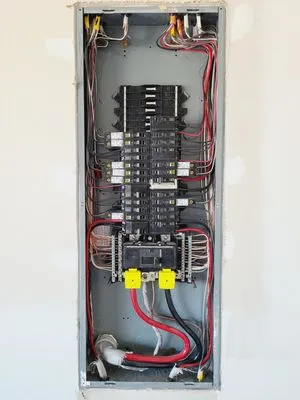
Combining a Federal Pacific panel—a known fire hazard due to its failure to trip—with a modern high-demand appliance is a significant risk. A 100-amp service from 1970 is already near its limit with today's baseline loads. Installing a Level 2 EV charger or heat pump requires a service upgrade to 200 amps and replacement of the Federal Pacific panel with a modern, code-compliant one to ensure safety and reliability.
My Downtown Oxford home was built around 1970. Why are my lights dimming when I run the microwave and air conditioner together?
Your home's electrical system is about 56 years old, which means the original NM-B Romex wiring was designed for a different era of power consumption. Modern 2026 appliances like larger refrigerators, computers, and high-wattage kitchen gadgets create a cumulative load that circuits from the 1970s were never meant to handle. This strain often shows up as dimming lights or tripped breakers, signaling that your home's capacity is being maxed out.
I see overhead lines running to my house on a mast. What are the main maintenance concerns with this setup?
Overhead service masts are common in Oxford. Their main concerns are physical wear from weather and tree contact. The mast itself must be structurally sound and properly bonded to your home's grounding system. We inspect for corrosion at the entry point, ensure the mast head is watertight, and verify the service drop wires from Duke Energy Progress are clear of tree limbs to prevent outages or fire hazards.
Does the rolling Piedmont plateau terrain near the courthouse affect my home's electrical grounding?
The rocky, clay-heavy soils common in the rolling Piedmont can challenge proper grounding, which is the foundation of your electrical system's safety. A low-resistance ground is harder to achieve here, and it can degrade over time. We test grounding electrode resistance to ensure your system can safely fault current back to earth, which is especially important with the frequent lightning we see in this region.
What's involved in getting a permit from Granville County for an electrical panel upgrade?
The Granville County Planning and Development office requires a permit for any service upgrade or panel replacement. As a Master Electrician licensed by the North Carolina State Board, I handle the application, including the load calculation and diagrams. The work must comply with NEC 2023, and a county inspector will review the installation before Duke Energy Progress will reconnect your service, ensuring everything meets current safety codes.
My smart home devices keep resetting after Duke Energy Progress power flickers. Is this a surge problem?
Yes, frequent flickers from the utility grid can indicate voltage sags or minor surges, which are hard on sensitive electronics. The moderate surge risk in our area, especially during seasonal thunderstorms, means these micro-events are common. Protecting your smart home investment requires a layered approach, starting with whole-house surge protection at the service panel to clamp damaging spikes before they reach your circuits.
