Top Emergency Electricians in Indian Trail, NC, 28079 | Compare & Call



Gowdy Electric

Questions and Answers
My Sun Valley home was built around 2003 and the lights dim when my AC kicks on. Is the original wiring just not good enough anymore?
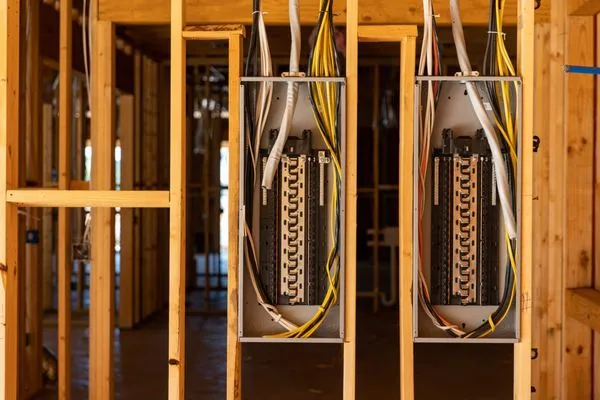
An electrical system from 2003 is now over 20 years old. The original NM-B Romex cable is generally sound, but its design capacity was based on the appliance loads common in the early 2000s. Today’s high-draw devices, like tankless water heaters, induction stoves, and multiple large-screen TVs, create a cumulative demand that can stress an original 200-amp panel not configured for modern distribution. The issue is often less about the wire itself and more about the available capacity and circuit layout, which may need a professional evaluation and strategic upgrades.
My lights flicker and my smart devices keep resetting. Is this a problem with Duke Energy or something in my house?
Flickering often points to a loose connection, which could be at your main service entrance, inside your panel, or on a branch circuit. Given our area's high lightning and surge risk, Duke Energy's grid can experience transient faults, but consistent flickering usually indicates a localized issue. Modern electronics are sensitive to even minor voltage sags. A diagnostic evaluation should check your panel's terminations and main grounding connection, and we typically recommend installing a whole-house surge protector at the service panel to shield your devices from both external and internal surges.
My home has underground electrical service. What does that mean for maintenance or if I need an upgrade?
Underground service, or a buried lateral, typically offers better reliability against weather-related outages compared to overhead lines. For maintenance, the utility-owned cable from the transformer to your meter is Duke Energy's responsibility. However, the conduit housing that cable on your property and everything from the meter base inward is yours. If a service upgrade is needed, the process involves coordinating with the utility to pull new conductors through the existing conduit, if possible. Access to the underground junction point is key, so knowing its location is helpful for any future work.
We have a lot of tall trees around our property near Crooked Creek Park. Could that be affecting our electricity?
Yes, a heavy tree canopy can impact electrical health in a few ways. Above-ground utility lines serving the neighborhood can be susceptible to interference or damage from falling limbs, especially during storms. More subtly for your home, extensive root systems and the region's soil composition can affect the effectiveness of your grounding electrode system. Grounding is critical for safety and surge dissipation. We often test ground resistance for homes in wooded areas to ensure the grounding rods have maintained a low-resistance path to earth, as required by code.
I want to add a circuit. Does the Town of Indian Trail require a permit, and what code do you follow?
Yes, the Town of Indian Trail Planning and Development Department requires permits for most electrical work beyond simple repairs. As a North Carolina licensed electrical contractor, we pull all necessary permits and schedule inspections. Our work complies with the 2023 National Electrical Code (NEC), which is the current standard adopted by the state. This ensures all new installations, from AFCI breaker requirements for living areas to specific EV charger wiring rules, meet the latest safety standards. Handling this compliance is part of our service, so you don't have to navigate the red tape.
My power is completely out and I smell something burning near the panel. How fast can an electrician get to me in Sun Valley?
For an emergency like that, dispatch is immediate. From our staging point near Crooked Creek Park, we can typically be en route via US-74 within minutes, aiming for an 8-12 minute response to most Sun Valley addresses. Your first action should be to safely turn off the main breaker at the panel if you can do so without risk, then call. A burning odor indicates active failure, and rapid response is critical to prevent fire spread and assess damage to the bus bars or breakers.
How should I prepare my home's electrical system for an Indian Trail ice storm or a summer brownout?
For winter, ensure your backup heat source, like a furnace or heat pump, is on a dedicated, properly sized circuit and its emergency power-off switch is accessible. Summer preparedness focuses on managing peak AC load to avoid tripping breakers. For both seasons, consider a professionally installed standby generator with an automatic transfer switch, which is the only safe way to back up essential circuits. A whole-house surge protector is also a wise investment year-round to protect against voltage spikes that can accompany grid fluctuations during storms.
I have a Challenger electrical panel from when my house was built. Is it safe to install a Level 2 EV charger or a new heat pump?
This is a two-part safety concern. First, Challenger panels from that era have known failure and recall issues; adding significant new load to a potentially defective panel is not advisable. Second, while a 200-amp service has the theoretical capacity for these upgrades, the panel’s internal condition and your existing circuit load are the limiting factors. We must first verify the panel is not a recalled model and is in sound mechanical condition before performing a load calculation to see if your system can safely support the added demand of a 240-volt EV charger or heat pump compressor.
