Top Emergency Electricians in Greenville, NC, 27833 | Compare & Call

Whiting Electrical Services
Night Owl Electric
Glenn's Heating, Air Conditioning &Electrical

Sam Pollard and Son
Questions and Answers
My Uptown home has overhead service lines to a mast. Is that a problem for reliability?
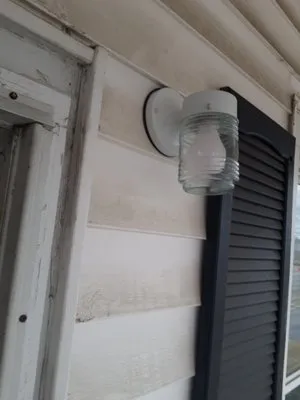
Overhead mast service is standard for neighborhoods built in the 1990s. The primary vulnerability is exposure to falling tree limbs during storms, which can cause outages. However, this setup allows for clear visual inspection of the service entrance conductors for wear or damage. Ensuring the mast head and weatherhead are sealed and secure is a key part of routine maintenance to prevent water intrusion into your panel.
Do I need a permit from the city to replace my electrical panel in Greenville?
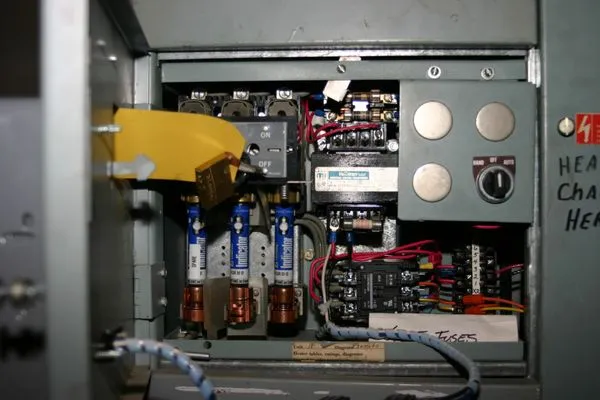
Yes, a permit from the Greenville Building Inspections Department is legally required for a panel replacement. This ensures the work is inspected and complies with the current NEC 2023 code, which mandates AFCI and GFCI protection in specific areas. I handle all permit paperwork and scheduling, and my license is held with the North Carolina State Board of Examiners of Electrical Contractors, which guarantees the work meets state standards for safety and craftsmanship.
I have a 150-amp Federal Pacific panel from the 90s. Can I add a Level 2 EV charger or a new heat pump?
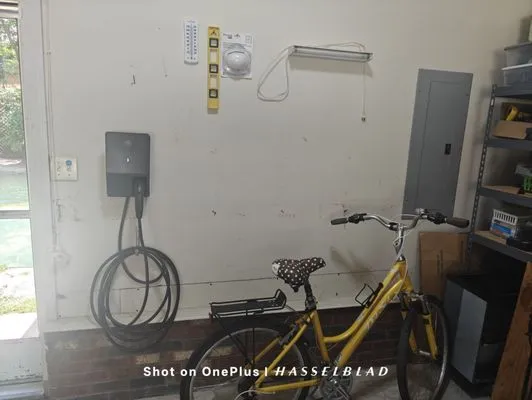
A Federal Pacific panel is a known fire hazard and should be replaced before adding any major load. Even with a new 150-amp service panel, supporting a Level 2 EV charger (40-50 amps) and a heat pump simultaneously requires a detailed load calculation. Many 1994-era homes need a service upgrade to 200 amps to handle these modern, high-demand appliances safely and without nuisance tripping.
Does the flat, wet soil near the Town Common affect my home's electrical grounding?
Yes, the flat coastal plain terrain and often-damp soil in Greenville can accelerate corrosion on underground grounding electrodes like ground rods. Proper grounding is your system's safety foundation, directing fault current safely into the earth. We test ground resistance periodically to ensure it meets NEC standards, as a degraded ground can lead to shock hazards and poor surge protection performance.
Who do I call for an electrical emergency like a burning smell near the panel in Uptown Greenville?
For any burning smell or power loss, call a licensed electrician immediately and shut off the main breaker if safe to do so. From the Town Common, we can typically dispatch to Uptown addresses within 5-8 minutes using US-264. A rapid response is critical to prevent an electrical fire from escalating, and we carry diagnostic tools to isolate the fault on arrival.
How should I prepare my home's electrical system for a Greenville ice storm or summer brownout?
For winter ice storms, ensure your generator inlet and transfer switch are professionally installed to avoid back-feeding the grid, which is illegal and deadly. During summer peak AC season, brownouts from grid strain can damage compressor motors. A licensed electrician can install hard-wired surge protection and configure a generator interlock kit to provide safe, code-compliant backup power for both scenarios.
My Greenville Uptown home's lights dim when the AC kicks on. It was built in 1994. Is my wiring too old?
A 32-year-old electrical system from 1994 is often undersized for 2026 demands. Original NM-B Romex wiring in Uptown homes was rated for the era's appliance load. Modern kitchens with air fryers, high-efficiency HVAC, and entertainment centers draw significantly more continuous power, which can cause voltage drop and dimming lights. This is a clear sign your circuits are overloaded and likely need a capacity assessment.
Why do my lights flicker and my smart devices reboot during Greenville thunderstorms?
Flickering often points to loose connections or an overloaded circuit, but the Greenville Utilities Commission grid also experiences high surge risk from frequent coastal lightning. These voltage spikes can easily damage sensitive electronics like smart TVs and computers. A whole-house surge protector installed at the main panel is a necessary defense, not just a power strip at the outlet.
