Top Emergency Electricians in Fairmont, NC, 28340 | Compare & Call

There are 20 electrician companies server in Fairmont NC
Charles M Brooks Electrical, LLC
Founded in 2015 by Charles Brooks, Charles M Brooks Electrical, LLC brings over two decades of hands-on electrical expertise to Fayetteville and the surrounding communities. After years of working as ...
CGA Electric
CGA Electric is a family-owned electrical service provider based in Wagram, NC, with over a decade of experience serving residential and commercial clients throughout Central and Southeastern North Ca...
Daniel Griffis, owner of D&C Electric in Lumberton, brings a unique dual perspective to every job. As both a Licensed Unlimited Electrical Contractor and a Certified Level III Electrical Inspector, hi...
Base Electric is your trusted local electrician in Fairmont, NC, serving Robeson County and surrounding communities. Founded by an electrician with six years of commercial experience, we identified a ...
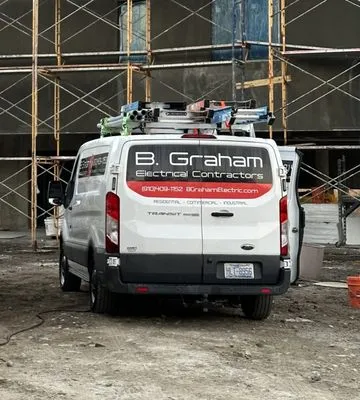
B Graham Electrical Contractors
B Graham Electrical Contractors, led by owner and Journeyman Electrician Brian J. Graham, provides reliable electrical services for Wilmington homes and businesses. With over 40 years of combined team...
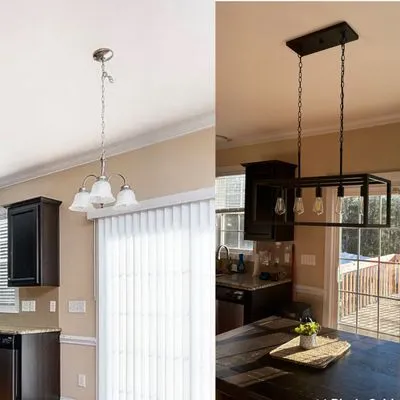
BOB Electrical & Handyman Services is your trusted local provider for electrical, plumbing, and general handyman work in Hope Mills, NC. As a family-owned and operated business, we understand the uniq...
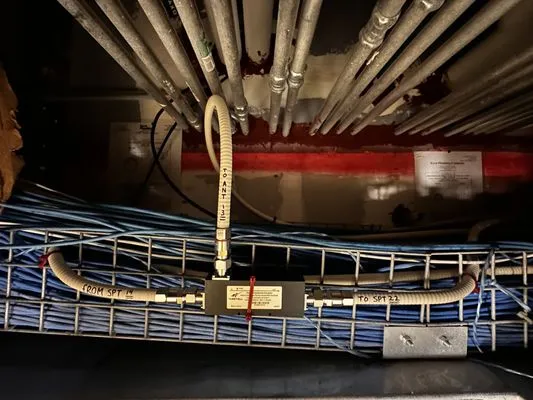
Heaven on Earth Electrical Solutions
Heaven on Earth Electrical Solutions is your trusted local electrician in Fayetteville, NC. We specialize in comprehensive electrical work, from essential circuit breaker and panel installations to mo...
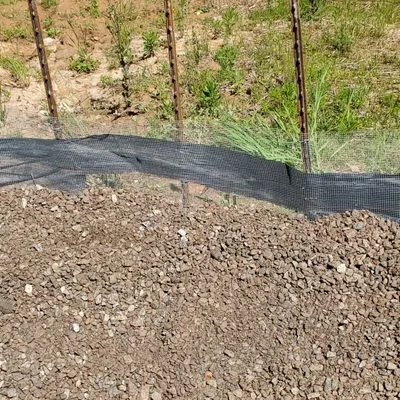
Carolina Land Specialist is a locally owned and operated company in Fayetteville, dedicated to helping homeowners and builders realize their property's potential. With deep roots in the community, we ...
ProFix Services is your trusted local expert for plumbing, electrical, and HVAC needs in Fayetteville. We're a team of fully trained professionals dedicated to providing reliable repairs and installat...
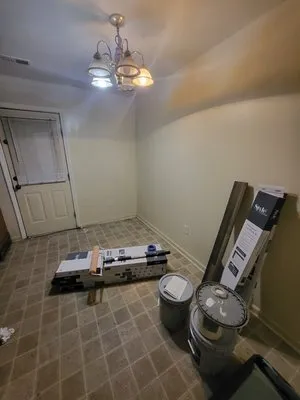
JR & Sons Painting and Remodeling is a trusted, family-owned contractor serving Fayetteville, NC, and the surrounding area. Specializing in flooring, painting, and electrical work, they provide compre...
Estimated Electrical Service Costs in Fairmont, NC
Frequently Asked Questions
We have very damp soil near Fairmont Community Park. Could that be causing issues with my outdoor outlets or grounding?
Yes, the flat, often damp coastal plain soil directly impacts your electrical system's grounding. Effective grounding requires a low-resistance connection to the earth to safely divert fault currents. Consistently wet soil can accelerate corrosion on underground grounding electrode conductors and rods, degrading that connection over time. This can lead to erratic breaker operation, tingling sensations from appliances, or reduced surge protection. An electrician should test your grounding electrode system's resistance to ensure it meets NEC 2023 standards for your specific soil conditions.
How can I prepare my home's electrical system for summer brownouts or an ice storm that knocks out power?
Preparation focuses on protection and backup. For summer peaks, ensure your HVAC system is on a dedicated, properly sized circuit and consider having its capacitors and connections checked to reduce strain. For outages, a permanently installed generator with an automatic transfer switch is the safest, most reliable solution. It must be wired by a licensed electrician with a permit from the Robeson County Inspections Department to ensure it isolates from the grid, protecting utility workers. Portable generators require extreme caution and must never be plugged into a household outlet.
I smell something burning from an outlet and lost power. How fast can an electrician get here?
For a burning smell with power loss, treat it as an urgent safety call. From our dispatch point near Fairmont Community Park, we can typically be en route via I-95 within minutes for a 5-8 minute response to Downtown Fairmont. Your first action should be to go to your main panel and shut off the breaker for that circuit if it's safe to do so. This immediate response priority helps prevent a smoldering connection inside a wall from escalating into an electrical fire.
I have a 100A panel and want to add a heat pump and maybe an EV charger later. Is my current setup safe for that?
A 100-amp service from 1968 cannot safely support those additions. A modern heat pump alone often requires a 30-50 amp circuit, and a Level 2 EV charger needs a dedicated 40-60 amp circuit. Attempting to add them to a maxed-out 100A panel creates a serious overload and fire hazard. Furthermore, if your panel is the recalled Federal Pacific brand, it presents a known failure risk where breakers may not trip during an overload. A full service upgrade to 200A is the necessary, code-compliant foundation for these modern loads.
I want to add a circuit. Do I really need a permit from the county, and why can't I just have a handyman do it?
Yes, a permit from the Robeson County Inspections Department is legally required for adding a circuit. This isn't bureaucracy—it's a vital safety check. The inspection verifies the work complies with the NEC 2023, ensuring wire size, breaker type, and connections are correct to prevent fire. In North Carolina, only a contractor licensed by the State Board of Examiners of Electrical Contractors can pull this permit. A handyman performing this work is unlicensed and uninsured, leaving you liable for any future fires, injuries, or code violations that could complicate a home sale.
My smart lights and modem keep resetting during storms. Is this a problem with Duke Energy or my house wiring?
This is likely a combination of both. The Duke Energy Progress grid in our flat coastal plain is highly exposed, making it susceptible to lightning strikes and voltage surges—a high-surge-risk area. While some flicker is grid-related, your home's internal protection is critical. Older wiring lacks the dedicated whole-house surge protection now recommended by the NEC. These micro-surges can bypass simple power strips, damaging the sensitive electronics in smart home devices. Installing a service-entrance surge protector at your main panel is a key defense.
My lights dim when my fridge or microwave kicks on. Is this normal for an older house in Downtown Fairmont?
That's a classic sign of capacity strain. Your home's electrical system is now 58 years old, originally designed for a few lamps and a small refrigerator. The NM-B Romex wiring installed in 1968, while still safe if undamaged, was never meant to handle the simultaneous loads of 2026—think multiple large-screen TVs, computers, and high-wattage kitchen appliances all drawing power at once. This can overload the original circuit paths, causing voltage drops you see as dimming lights.
My power comes from an overhead line to a mast on my roof. Who is responsible if that mast or the line to my house gets damaged?
Responsibility is divided at the point of connection. Duke Energy Progress owns and maintains the overhead service drop from the utility pole to your service mast head. You, the homeowner, are responsible for the mast assembly, the weatherhead, and the conduit down to your meter base. If a tree limb or storm damages the mast, you must hire a licensed electrician for repairs. Ensuring this mast assembly is secure and watertight is vital, as it's the main entry point for your home's power and a potential failure point during high winds common to the area.
