Top Emergency Electricians in Arrowhead Beach, NC, 27932 | Compare & Call

There are 10 electrician companies server in Arrowhead Beach NC
Vinson Electrical has been a trusted name for electrical work in Pendleton, NC, built on a foundation of reliable service and clear communication. We focus on getting the job done right the first time...
B & M Contractors
B & M Contractors is a family-owned mechanical and electrical contracting firm serving Elizabeth City, NC, and surrounding counties since 1980. With over four decades of experience, they specialize in...
10 11 Electric is a locally-owned and operated electrical service company serving the Hertford, NC community and the wider Elizabeth City region. With over two decades of licensed and insured experien...

KJT Electrical Audio & Video has been serving Elizabeth City, NC, and the surrounding communities for over 30 years, providing reliable electrical and audio/video solutions. Specializing in service ca...
Electric Motor Rewinding Inc. has been a trusted name for electrical services in Elizabeth City and the Albemarle region for more than five decades. Our team specializes in the repair and maintenance ...
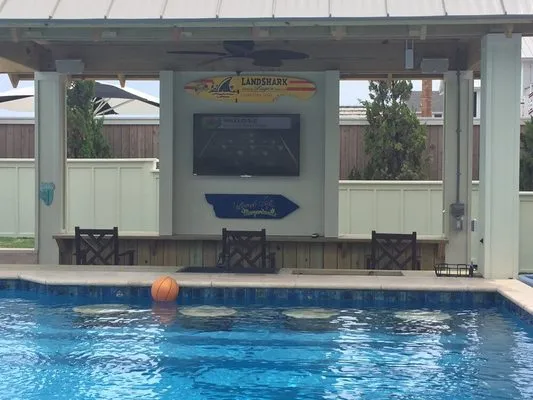
Custom Audio & Corolla Electric
Custom Audio & Corolla Electric serves as the primary home theater and electrical specialist for the Northern Outer Banks. We focus on creating custom home theaters, whole-house audio systems, and the...
Bear Rock Electric is a trusted, family-owned electrical contractor proudly serving Point Harbor and the surrounding Outer Banks since 2011. What began as a woman-owned business specializing in genera...
Apexx Contracting is a trusted, full-service contracting firm serving Newport News, NC, specializing in plumbing, electrical, and general contracting. We understand the specific challenges homeowners ...
Hollowell Alvin Electrical Service is Edenton's trusted local electrician, providing reliable solutions for the area's common electrical challenges. Many homes in our historic community face issues li...
For over two decades, Troy Dellinger and his team at Wire For U Electrical have provided reliable electrical solutions to the Edenton community. As a locally owned and operated business established in...
Estimated Electrical Service Costs in Arrowhead Beach, NC
Q&A
What's involved in getting a permit for a new panel from Chowan County?
The Chowan County Building Inspections Department requires permits for panel replacements, which ensures the work meets NEC 2023 safety standards. As a North Carolina licensed master electrician, I handle the permit application, scheduled inspections, and provide all documentation for your records. This process is not just red tape; it's a vital check that the installation is safe, correctly sized, and properly grounded for your family's protection.
Who do I call first if I lose all power or smell burning from an outlet?
For a burning smell or sparks, evacuate the area and call 911 immediately from a safe location. For a total power loss with no obvious cause, contact Dominion Energy North Carolina to check their equipment first. For any other electrical emergency, a master electrician can typically dispatch from near the Arrowhead Beach Community Center and reach most homes via US-17 within 10 to 15 minutes for a critical response.
Does the flat, sandy soil near the beach affect my home's electrical grounding?
Absolutely. The flat coastal plain and sandy soil common around Arrowhead Beach can challenge a proper grounding electrode system. Sandy soil has higher electrical resistance, which can impair the grounding path needed for safety and for surge protectors to work effectively. An electrician may need to install additional ground rods or use a chemical ground enhancement material to achieve a low-resistance connection to earth, as required by code.
My Arrowhead Beach home's lights dim when the AC kicks on. Is my 1986 wiring too old?
A 40-year-old electrical system, using original NM-B Romex cable, wasn't designed for today's high-draw appliances. Homes in the Arrowhead Beach neighborhood from that era often have circuits overloaded by multiple computers, large-screen TVs, and modern kitchen gadgets. This can cause voltage drop, noticeable as dimming lights, and creates a persistent overheating risk. Upgrading key circuits or the main service panel is a common solution to restore safe capacity.
I see the power lines are overhead on a mast. What are the common issues with this setup?
Overhead service masts, common here, are exposed to coastal weather, which can corrode fittings and strain connections at the roof penetration. The mast and service entrance cables are also vulnerable to damage from falling limbs. During a service upgrade or inspection, we always check the mast's structural integrity, the weatherhead's condition, and the seal where the conduit enters the house to prevent water infiltration into your panel.
How should I prepare my home's electrical system for summer brownouts or winter ice storms?
For summer peaks, ensure your HVAC system is on a dedicated, properly sized circuit and consider a hardwired surge protector. For winter storm preparedness, a permanently installed generator with an automatic transfer switch is the safest and most reliable backup. Portable generators must be used outdoors and connected via a proper interlock kit to prevent deadly backfeed into the utility lines, which is a danger to repair crews.
Why do my lights flicker and my Wi-Fi router reboot during storms here?
Flickering lights often indicate loose connections either in your home's wiring or on the Dominion Energy grid serving the coast. Our high lightning risk means power surges are frequent; these voltage spikes can easily damage sensitive electronics like routers, computers, and smart home hubs. Installing a whole-house surge protector at your main panel is a critical defense to absorb these grid disturbances before they reach your appliances.
My inspector flagged a Federal Pacific panel. Is this urgent, and can I add an EV charger?
Yes, addressing a Federal Pacific panel is urgent. These panels have a known failure rate for not tripping during overloads, which is a direct fire hazard. Furthermore, your 100-amp service from 1986 lacks the capacity for a Level 2 EV charger or a new heat pump. The standard remedy is a full service upgrade to 200 amps, which replaces the hazardous panel and provides the necessary power for modern upgrades.
