Top Emergency Electricians in Lexington, MN, 55014 | Compare & Call

There are 119 electrician companies server in Lexington MN
Edison Electric
Edison Electric is a trusted, locally-owned residential electrical service provider serving Minneapolis and the Twin Cities since 2007. Founded by owners who grew up in and graduated from the NE Minne...
Vector Services
Vector Services has been a trusted home services provider in Minneapolis since 2014, specializing in HVAC, plumbing, and electrical solutions for both residential and commercial properties. With nearl...
East Isles Electric has been a trusted Minneapolis electrical service since 2007, founded and managed by Master Electrician Logan. With over 15 years of hands-on experience, Logan leads a team of lice...
Skyline Electric
Skyline Electric is a trusted, licensed electrical contractor serving Roseville and the Northeast Twin Cities suburbs. Founded with a core commitment to customer satisfaction and community service, ou...
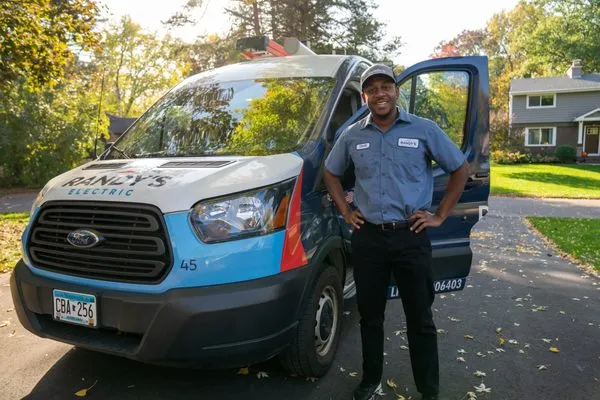
Randy's Electric & Plumbing
Randy's Electric & Plumbing is a trusted Minneapolis electrical and plumbing service provider with deep roots in the community. Founded in 2002 by Randy, who began his electrical career in 1978, the c...

Brothers Electric is a trusted electrical service provider serving Minneapolis, MN, and the surrounding communities. As licensed electricians, they specialize in comprehensive electrical inspections t...
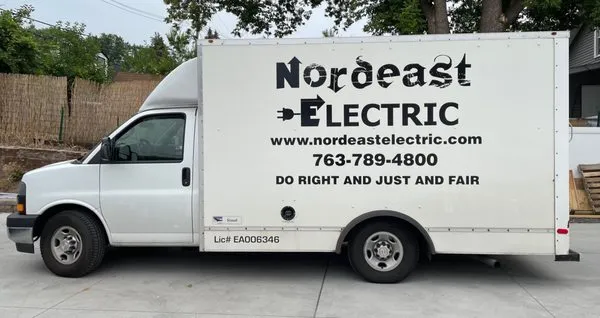
Founded in 1977 and operating under the same local ownership since 2008, Nordeast Electric is a Minneapolis-based electrical company built on the straightforward principle of doing right by our neighb...
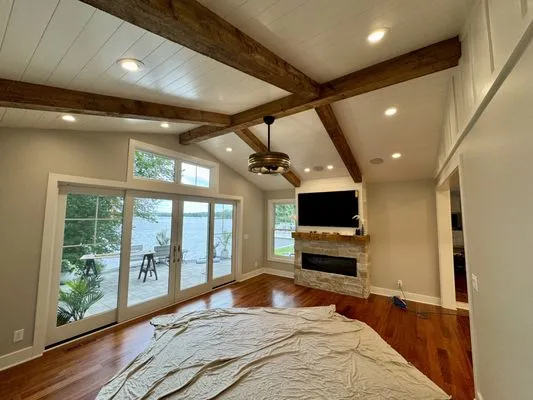
Stern Electric, Inc. is a licensed, bonded, and insured electrical service provider based in Cottage Grove, MN, serving the Twin Cities Metro area including St. Croix County, WI and Pierce County, WI....
Folwell Electric, led by Master Electrician Justin, provides dependable electrical services to Minneapolis. With over 15 years of hands-on experience, Justin combines technical skill with a focus on s...
Snyder Electric
Since 1960, Snyder Electric Co. has been a trusted, family-owned electrical contractor serving the Minneapolis metro. As a third-generation business, we build lasting relationships by providing reliab...
Estimated Electrical Service Costs in Lexington, MN
Question Answers
I see the overhead service mast on my house. What are the common issues with this type of setup?
Overhead service masts are common in Lexington. The primary concerns are physical damage from falling branches or ice, and wear on the weatherhead where the utility cables enter. The mast itself must be properly secured and rated for the service cable size. If you're planning a service upgrade, the mast and entrance cable will likely need replacement to meet current code for the larger 200-amp conductors.
My lights in Lexington flicker during thunderstorms. Is that an Xcel Energy grid problem or my wiring?
Seasonal thunderstorms on the Xcel Energy grid can cause voltage sags and surges, which often manifest as flickering lights. However, loose connections in your own panel or at a device can cause the same symptom. A whole-house surge protector installed at your main panel is a critical defense for modern electronics. An electrician can diagnose whether the issue originates on your property or should be reported to the utility.
Who do I call for an electrical emergency, like a burning smell or total power loss?
For any burning odor or sudden loss of power, shut off the main breaker at your panel and call a licensed electrician immediately. From Lexington City Hall, a qualified service van can be on I-35W and at your door in Lexington Park within 5-8 minutes. Do not attempt to diagnose a burning smell yourself, as it indicates a serious fault that requires professional troubleshooting to prevent a fire.
We live on the flat glacial plain near Lexington City Hall. Does that affect our home's electrical grounding?
The flat, often damp soil of the glacial plain can be beneficial for establishing a good grounding electrode connection, which is crucial for safety. However, it also means grounding rods and clamps are more susceptible to corrosion over time. During a panel inspection or upgrade, we always test the grounding electrode system's resistance and check for corrosion to ensure it can safely divert a lightning strike or fault current.
What permits are needed for an electrical panel replacement in Lexington, and does it have to be up to the latest code?
All panel replacements require a permit from the Lexington Building Department and a final inspection. As a Master Electrician licensed by the Minnesota Department of Labor and Industry, I handle the permit process. The work must comply with the current NEC 2023, which mandates AFCI protection for most living areas and specific equipment labeling. This isn't just red tape; it's the proven standard for fire prevention and safety in your home.
How should I prepare my home's electrical system for a Lexington winter with -20°F lows and possible brownouts?
Winter heating surges strain the grid and older home electrical systems. Ensure your furnace is on a dedicated circuit and its connections are tight. Consider a hardwired backup generator with a proper transfer switch to maintain heat during an outage. For sensitive electronics, point-of-use surge protectors add a layer of defense beyond a whole-house unit, guarding against fluctuations that can accompany brownouts.
My house in Lexington Park was built in 1974. Is the original wiring still safe?
Your electrical system is now 52 years old. While the NM-B Romex cable installed then had a modern plastic jacket, its capacity was designed for a different era. Homes from that period often have undersized circuits for today's device loads. We frequently find kitchens and bathrooms lack the dedicated 20-amp circuits now required by code, which can lead to overloads and nuisance tripping as you add modern appliances.
I have a 100-amp Federal Pacific panel. Can I add a Level 2 EV charger or a heat pump?
A Federal Pacific panel is a known safety hazard due to breakers that can fail to trip during an overload, creating a serious fire risk. It must be replaced before adding any major load. Even with a new panel, a 100-amp service from 1974 is generally insufficient for a Level 2 EV charger and a modern heat pump. A full service upgrade to 200 amps is the standard, safe solution to handle these simultaneous high-demand loads.
