Top Emergency Electricians in Janesville, MN, 56048 | Compare & Call

There are 13 electrician companies server in Janesville MN
BlazingStar Energy is a Minneapolis-based electrical contracting company founded in 2022, specializing in EV charging stations, solar installations, and comprehensive electrical services. With over 50...

Four Seasons Electric is a trusted, licensed electrical contractor serving Owatonna and the broader Southern Minnesota region. With a dedicated team bringing 15 to 30 years of individual field experie...
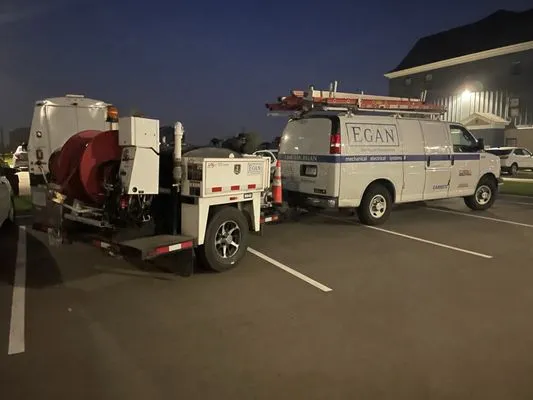
Egan Electric Inc is a New Prague-based, family-owned electrical company with deep roots in the community. My journey started in 1996 as a summer apprentice, leading to a full-time career and earning ...
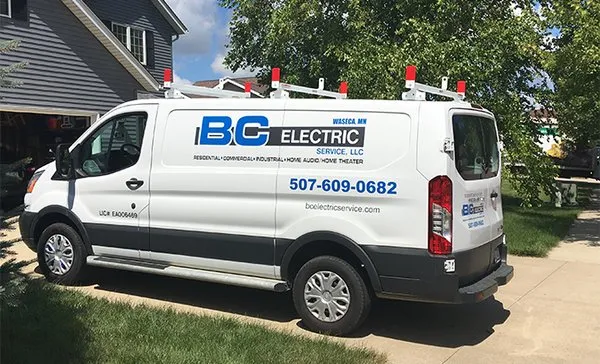
BC Electric Service
BC Electric Service, LLC is a licensed, bonded, and insured electrical service provider that has been serving the Mankato and Waseca, MN areas since 1997. We specialize in comprehensive electrical sol...
J's Flooring in Le Center, MN, is a locally owned and operated business founded by Leo, who started his journey in the trades during high school. With a deep-rooted passion for craftsmanship learned o...
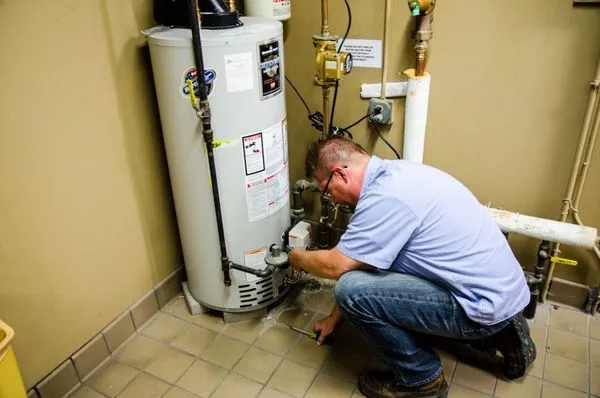
Schwickert’s Tecta America
Schwickert's Tecta America has been a trusted name in Mankato since its founding in 1906 by George Schwickert. As a licensed roofing and mechanical contractor headquartered right here in Mankato, with...
Scheid Electric has served the Mankato area with dependable electrical services for years. We specialize in both residential and commercial projects, from simple outlet repairs to comprehensive design...
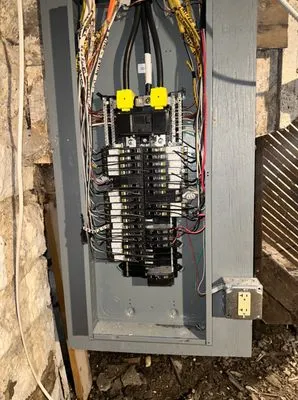
Electrical Solutions Of Southern Minnesota
Electrical Solutions Of Southern Minnesota is a Delavan-based electrical contractor with deep roots in the region. Founded by Steve Schneid, a local electrician with over four decades of experience, t...
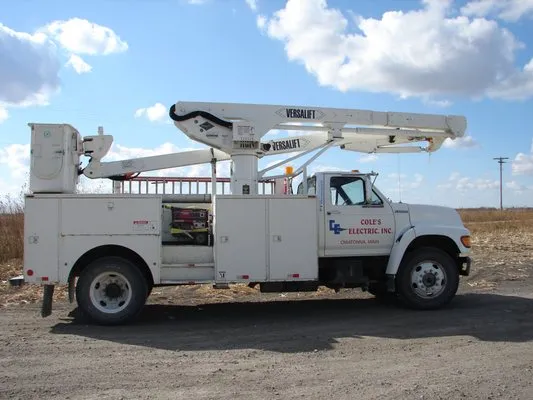
Cole's Electric
For nearly 40 years, Cole's Electric has been a trusted, family-owned electrical partner for Owatonna and the surrounding region. Founded by Bob Cole in 1985, we've grown to a team of over 25 skilled ...

R & K Electric
R & K Electric is a trusted electrical service provider in Owatonna, MN, with over 50 years of experience serving Steele County and surrounding communities. Since 1971, our team of skilled electrician...
Estimated Electrical Service Costs in Janesville, MN
Frequently Asked Questions
My smart devices keep resetting after thunderstorms. Does Xcel Energy's grid cause power surges in Janesville?
Xcel Energy's infrastructure in our region faces moderate surge risk from seasonal thunderstorms rolling across the plains. These voltage spikes can easily damage modern electronics like smart TVs and computers. Installing a whole-house surge protector at your main panel is a recommended defense to absorb these grid disturbances.
I want to upgrade my electrical panel. What permits are needed from the state, and does the 2023 NEC code apply?
A panel upgrade requires an electrical permit from the Minnesota Department of Labor and Industry. All work must comply with the NEC 2023, which is the state-adopted code, and be performed by a licensed electrician registered with the Minnesota Board of Electricity. As a master electrician, I handle the permit application, inspections, and ensure full code compliance for you.
My breaker won't reset and I smell something burning. How fast can an electrician get to my house near City Hall?
For an emergency like a burning smell, a local master electrician can typically dispatch from a staging point near Janesville City Hall. Using MN-14, response time to most of Central Janesville is 3 to 5 minutes. The first priority is to safely de-energize the affected circuit to prevent a potential fire.
My power comes from an overhead mast on the side of my house. What are the main things I should watch for?
Overhead service masts require periodic inspection. Look for any sagging or fraying of the service drop cables between the pole and your house. Ensure the mast itself is securely anchored and free of rust or damage. Heavy ice accumulation or wind can place significant mechanical stress on these components, potentially pulling them loose from the structure.
How should I prepare my Janesville home's electrical system for a winter ice storm or a brownout?
Winter heating surges and ice storms can strain the grid. For brownouts, consider an automatic standby generator installed with a proper transfer switch to keep essential circuits live. Also, ensure your furnace and well pump are on dedicated, properly sized circuits. Surge protection remains important year-round to guard against power restoration spikes.
My Janesville home was built in 1975. Why do my lights dim when the microwave and air conditioner run at the same time?
Your Central Janesville home's electrical system is over 50 years old. Original NM-B Romex wiring from that era was not designed for the combined load of modern appliances. A 100-amp service panel, standard for 1975, often lacks the capacity for today's simultaneous high-demand devices, causing voltage drops that appear as dimming lights.
My home inspector flagged my Federal Pacific panel. Can I add a Level 2 EV charger or a heat pump to this 100-amp system?
No, it's not safe to add those loads. A Federal Pacific panel is a known fire hazard due to faulty breakers that may not trip during an overload. Furthermore, a 100-amp service from 1975 lacks the spare capacity for a 240-volt EV charger or a new heat pump circuit. A full service upgrade to 200 amps and panel replacement is required first.
We have flat, open land here. Does that affect my home's electrical grounding or power quality?
The flat agricultural plains around Janesville generally provide stable soil conditions for effective grounding electrode systems, which is a positive. However, the open terrain also means overhead utility lines are fully exposed to wind and ice, which can be a primary cause of service interruptions during severe weather.
